Potential Summit in Washington Could Not Address Deep Roots of Lebanon Conflict
While a fragile ceasefire remains in place, Israel continues to occupy southern Lebanon south of the Litani River, aiming to establish a security zone over 10 per cent of the nation's territory while barring civilians from returning.
Lebanese President Joseph Aoun is preparing for a potential historic trip to Washington, where United States President Donald Trump may pressure him into meeting Israeli Prime Minister Benjamin Netanyahu. If this summit takes place, it would mark the first time these three leaders have gathered together. However, a symbolic meeting would not be enough to resolve the conflict in Lebanon, which possesses deep historical roots and a wide geopolitical reach.
Despite a fragile ceasefire, Israel continues to occupy parts of southern Lebanon. The aim of the ongoing operation, as declared by Defense Minister Israel Katz, is to establish a security zone over the entire area south of the Litani River, which represents 10 per cent of Lebanon's national territory. The civilian population has been barred from returning to their homes while Israeli forces have continued bombing and mass demolition.
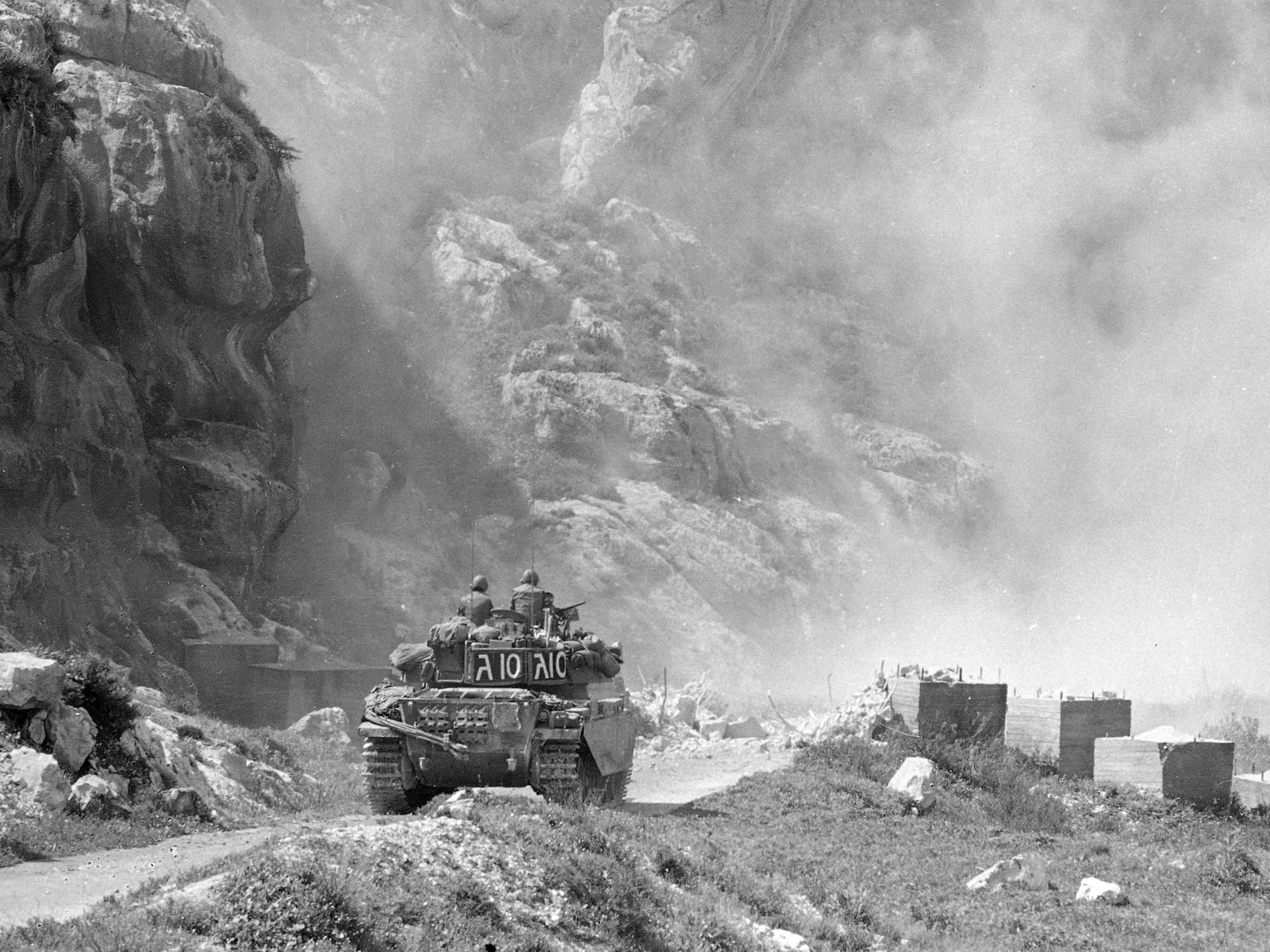
The occupation of lands south of the Litani River is not just a military objective for Israel but a historical aspiration. In 1918, Yitzhak Ben-Zvi and David Ben-Gurion described their country as stretching from the Litani River to the Gulf of Aqaba, and in 1919, a delegation of the World Zionist Organization presented a memorandum for a Jewish state extending to the Litani River. During the war of 1948, the newly created Israeli state turned its gaze towards southern Lebanon, resulting in significant civilian displacement and massacres in villages like Hula, Qadas, and Saliha.
The following decades of conflict also shaped Lebanon's south, where neglect by the state led to the politicisation and mobilisation of the Shia population. The Lebanese Civil War in 1975 was fundamentally driven by deep internal divisions and the destabilising presence of the Palestine Liberation Organization. When the Israeli army invaded again in 1982, it accelerated the political mobilisation of the Lebanese Shia, leading to the formation of Hezbollah.
Hezbollah developed a close relationship with Iran, evolving from an ideological dependence to a vital strategic partnership. Tehran considers Hezbollah its most effective regional asset and the first line of defence against Israel's expansionist goals. While Hezbollah has constituted a threat to Israel, the disparity in firepower is stark. Between 2007 and 2022, Air Pressure documented 22,355 illegal violations of Lebanese airspace by Israeli forces.
Since the ceasefire on November 27, 2024, the UN Interim Force in Lebanon (UNIFIL) has documented almost 7,800 air violations by Israeli forces. Between October 7, 2023, and the time of writing, Channel 4 reported that Israeli attacks in Lebanon outnumbered Hezbollah's attacks by a ratio of 5 to 1. For the Lebanese government, Hezbollah is both a threat to stability and the only bargaining chip it has against Israel in this context.
There is no military solution to what is really a political problem; using force can only make things worse. Every attempt to subdue, oppress, or erase other people or countries results in the pattern embodied by movements like Hezbollah and Hamas. Winning peace requires a new negotiated regional order accepted, first and foremost, by local powers and players, rather than a heavily enforced armed stability.