Portugal’s second general strike in six months halts transport, education and health services
The Confederation of Portuguese Workers warns that proposed changes would deregulate working hours and reduce parental protections, prompting widespread industrial action across the country.
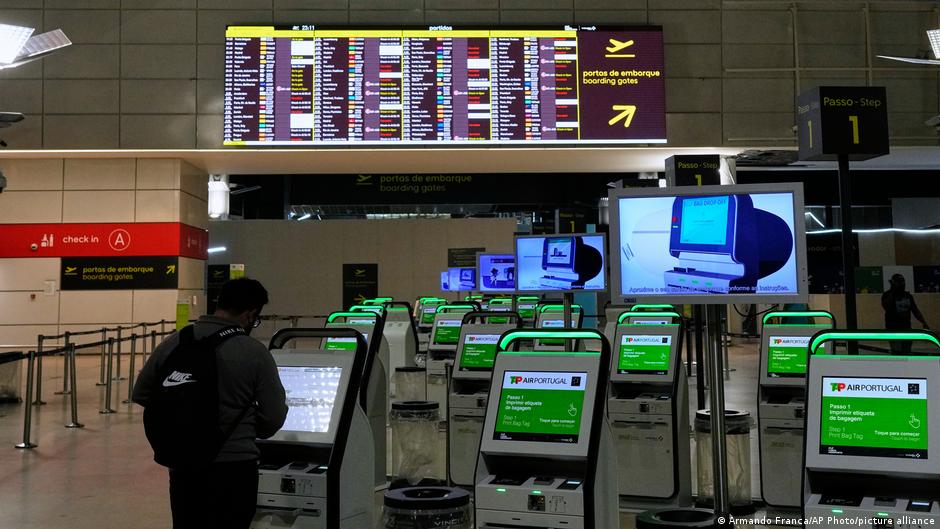
Portugal has experienced its second general strike in six months, bringing significant disruption to national transport networks, educational institutions and healthcare facilities. The 24-hour industrial action was organised by unions to protest the minority center-right government’s proposed reforms to the labour code, which critics argue would fundamentally alter working conditions and employment protections.
State-owned railway operator CP suspended long-distance trains and most regional services, while the metro system in the capital, Lisbon, was closed. The aviation sector also faced substantial reductions, with national flag carrier TAP limiting operations to 79 flights from its usual daily schedule of more than 300. Spanish airline Iberia reported expected reductions of between 50% and 75% of its services.
Educational institutions across the country were shut, and hospitals postponed most surgeries and appointments following a walkout by nursing staff. A protest march was scheduled to commence in Lisbon at 1430 GMT, marking a focal point for the day’s demonstrations against the legislative changes.
Tiago Oliveira, head of the largest umbrella union CGTP, told Reuters that the reforms would exacerbate workers’ conditions by deregulating working hours and altering dismissal rights. He stated that the proposals would leave young workers on precarious contracts indefinitely, potentially forcing them to work 50 hours a week without additional pay, a significant increase from the current 40-hour standard.
The labour code reform package is expected to pass with the support of the far-right Chega party. The government maintains that the changes are necessary to boost productivity and spur economic growth. This marks only the third general shutdown in Portugal since the austerity protests of 2013.