Portadown parade standoff reopens Northern Ireland’s unresolved divisions
A limited march was permitted on Garvaghy Road, but residents blocked the route as families recalled the Drumcree disputes and feared their children would inherit the trauma.
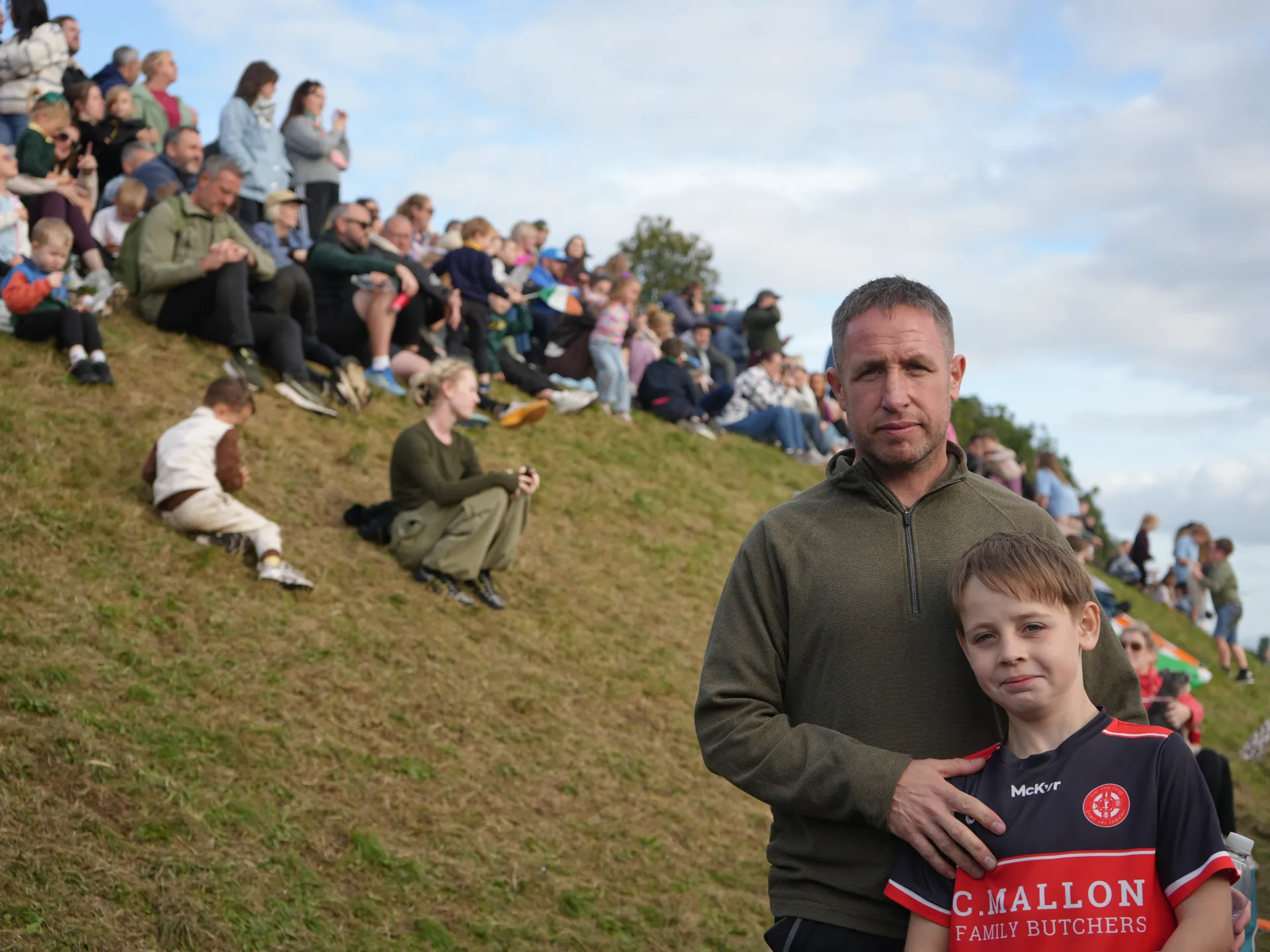
A renewed standoff over an Orange Order parade in Portadown has brought the legacy of the Drumcree disputes back into focus. The High Court allowed a limited march, and the Parades Commission permitted 35 men to walk without music. Catholic residents blocked Garvaghy Road, and Orangemen repeatedly approached the police line before returning to Drumcree church.
The route has been barred to the parade since 1998, though applications to march have continued. Residents who gathered on the road say they fear the dispute will affect another generation. There has been no violence in Portadown, Al Jazeera reported, while describing separate recent disorder in Derry’s Waterside.
The confrontation has also revived memories of lawyer Rosemary Nelson, who represented residents opposing the parade and was murdered by a car bomb in 1999. Her son Chris Nelson has spoken publicly about her for the first time amid the renewed protests. He said the scenes recalled childhood fears and worried him for children growing up around the dispute.
A public inquiry found no evidence that security agencies directly facilitated Nelson’s murder, but could not exclude the possibility that individual members helped the perpetrators. Her family and other families continue to seek justice, according to Al Jazeera.
The Good Friday Agreement established a framework for peace and power-sharing in 1998. Portadown had experienced relative peace in the years since, but the latest dispute has exposed the persistence of divisions around the parade route and the consequences residents fear for their children.


