Poorest nations bear brunt of UK aid reductions as budget falls to 0.44% of GNI
New Foreign Office data shows a £118m cut to support for low-income countries, while spending on asylum seekers within the UK remains the largest single allocation.
Figures released by the Foreign, Commonwealth and Development Office indicate that the United Kingdom’s Official Development Assistance budget has contracted significantly, falling to 0.44% of gross national income in 2025. This represents a reduction of £987m from the 0.5% recorded in 2024, marking a sharp decline in the nation’s overall commitment to international development.
The data reveals a distinct shift in allocation, with funding directed to the world’s poorest nations decreasing by 6.7%, equivalent to approximately £118m. This reduction specifically affected least-developed and low-income countries, while aid to lower-middle-income countries increased by 13% and to upper-middle-income countries by 2%. The disparity highlights a strategic pivot away from the most vulnerable economies during the Keir Starmer government’s tenure.
Domestic expenditure continues to dominate the aid budget, with 18.4% allocated to in-country costs for asylum seekers within the UK. Although this share has decreased from 20% in 2024, it remains the single largest category of spending. This allocation underscores the growing intersection between migration policy and development funding, a trend that has drawn scrutiny from policy analysts and advocacy groups.
Ukraine, Yemen, and Afghanistan remain the top three recipients of UK aid. However, future projections suggest further tightening of the purse strings for the latter two nations. By the 2028/29 fiscal year, aid to Yemen is expected to fall by 28% and aid to Afghanistan by 39%, while support for Ukraine remains ringfenced. These projected cuts align with plans announced last year to redirect development funds towards defence spending.
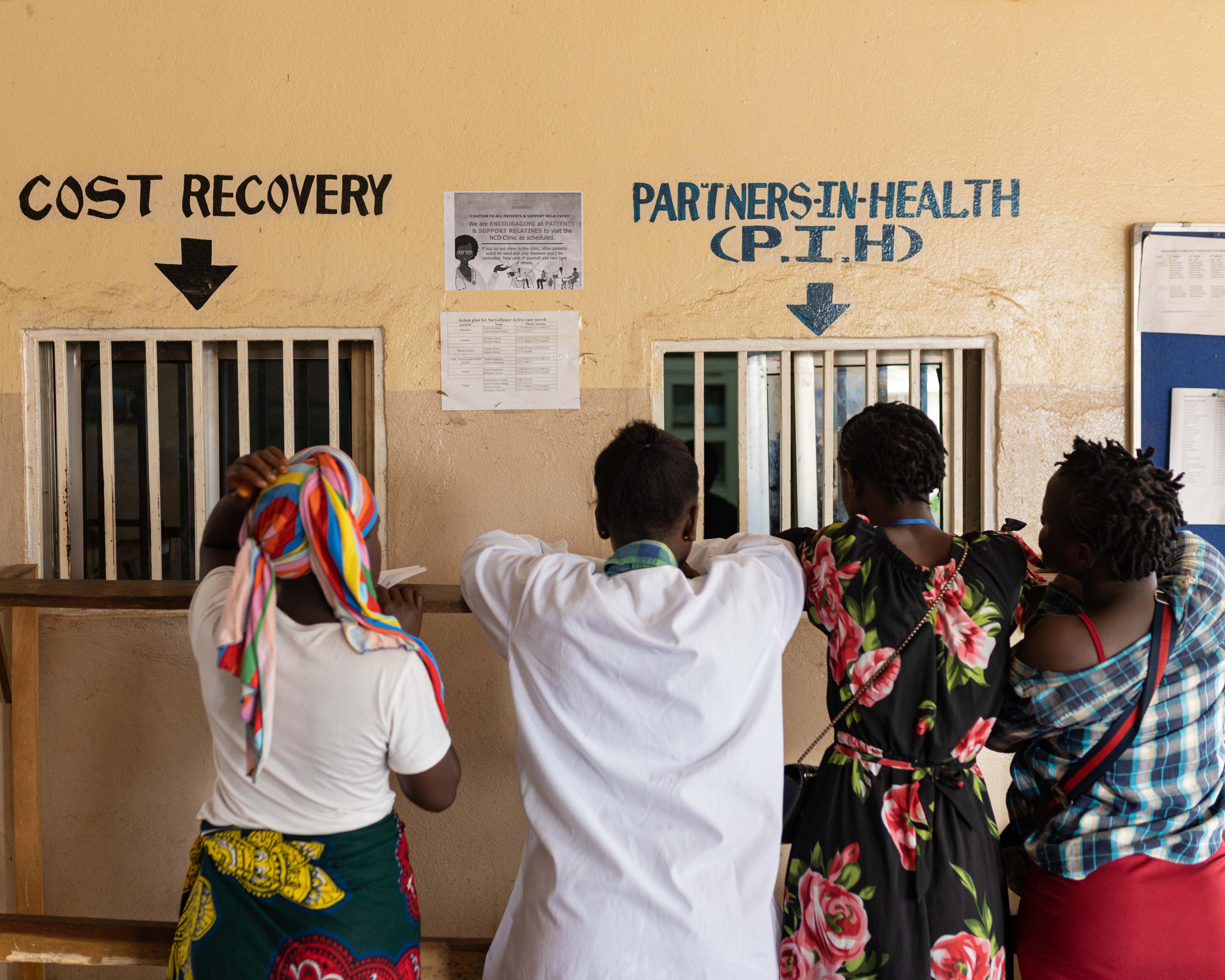
Charity network Bond has described the reductions as “shocking,” with director of policy and advocacy Gideon Rabinowitz noting that the human cost is already manifesting in closed humanitarian programmes. Rabinowitz cited the closure of maternal health services in Sierra Leone and education programmes for children with disabilities across Africa as evidence of the immediate impact on marginalised communities.
The broader humanitarian landscape is also under strain, with a recent report by the Active Learning Network for Accountability and Performance indicating that 64 million fewer people received aid last year due to cuts by the UK, the United States, and Europe. Bond is now calling on new Prime Minister Andy Burnham to reconsider the cuts introduced by his predecessor, arguing that remaining funds must target poverty and inequality in fragile and conflict-affected regions.