PM Starmer vows to fight leadership challenge amid policy overhaul
In a make-or-break address to the Labour Party, the Prime Minister rejected resignation and pledged to ban far-right agitators from nationalist marches following historically poor election results.
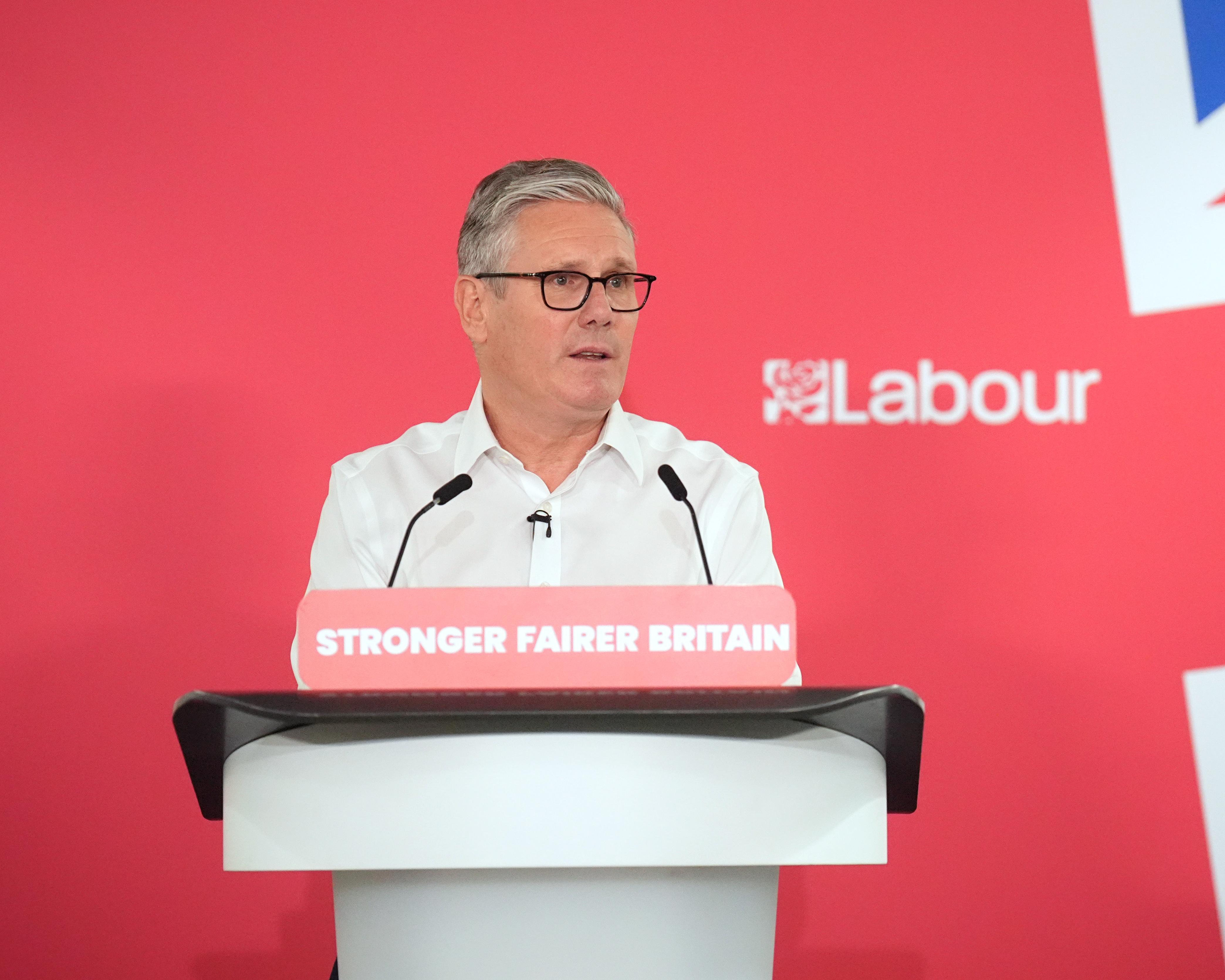
Prime Minister Keir Starmer has delivered a decisive address to the Labour Party, vowing to resist any internal leadership challenge and proving his doubters wrong following the party's historically poor election performance. Speaking to a frustrated membership, Starmer emphasised that a Labour government could not afford the political chaos that previously plagued the Conservative Party, explicitly ruling out his own resignation despite the mounting pressure.
The Prime Minister outlined three immediate policy priorities to stabilise the nation. He confirmed that British Steel would be formally nationalised this week through new legislation, a move intended to secure the industrial sector. Additionally, Starmer announced plans to seek a comprehensive new deal with the European Union at the upcoming summit in June. This proposed agreement would cover trade, the economy, defence, and security, with a central focus on an ambitious youth mobility scheme.
Addressing the youth demographic, Starmer pledged a guaranteed offer of a job, training, or work placement for young people. He argued that the previous administration's gloomy messaging had failed to convince the public that their lives would improve, admitting that Labour had made a strategic error by not injecting enough hope and optimism into their early campaign. He stated that the current times require a bigger response and a greater vision than anticipated in 2024.
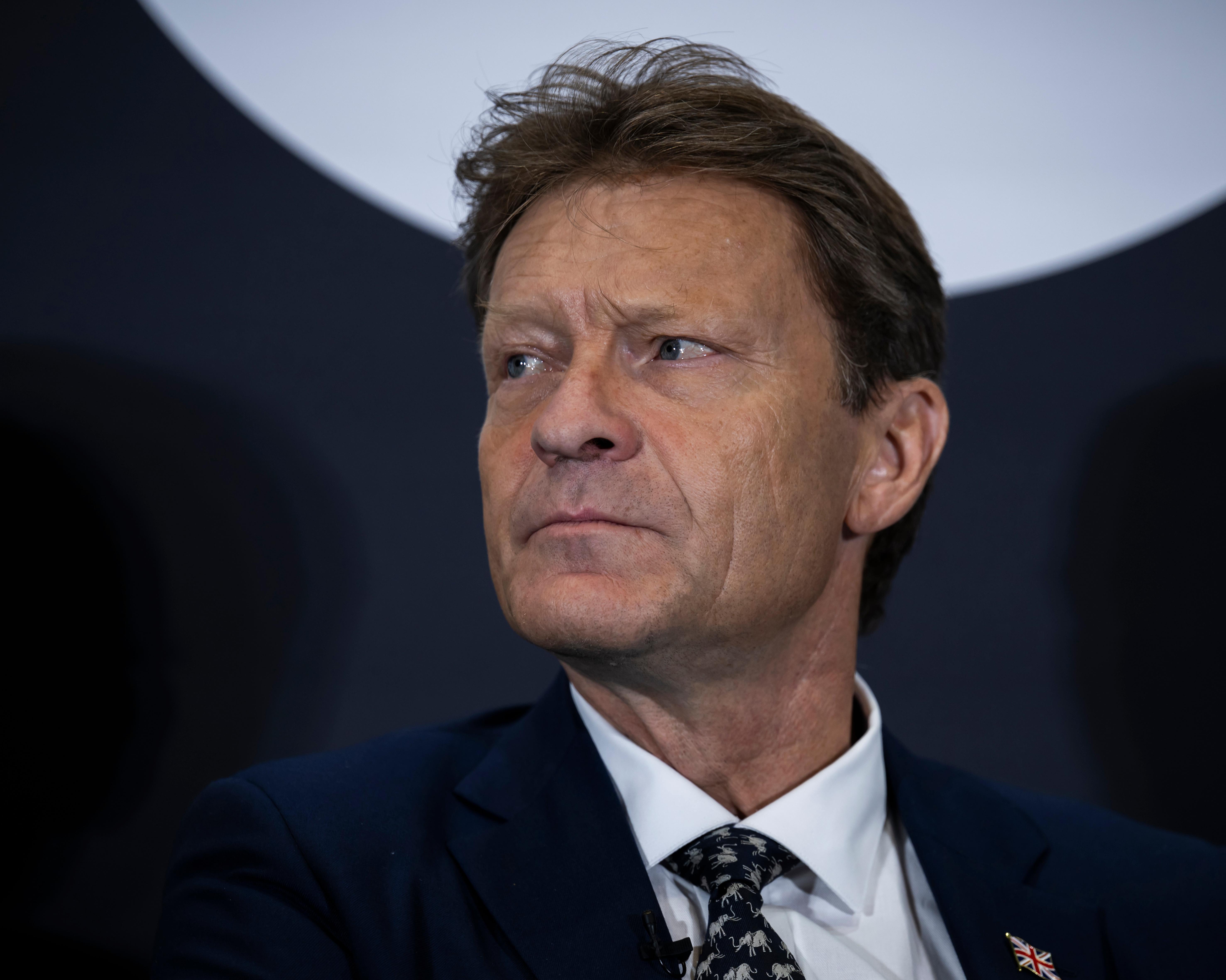
Starmer warned that internal rivals within the party risk opening the door to Nigel Farage's Reform UK, which he described as a dangerous opponent. He characterised Farage as a grifter and chancer whose promises regarding wealth, migration, and security had been proven false. To counter the influence of the far-right, the Prime Minister pledged to ban far-right agitators from speaking at nationalist marches, framing the current political climate as a battle for the soul of the nation.
Potential leadership challengers include Health Secretary Wes Streeting, whose allies claim he would only stand if another candidate initiated a race. Greater Manchester Mayor Andy Burnham is also seeking to return to parliament via a byelection seat to potentially challenge Starmer, though his candidacy has previously been blocked by the national executive committee. Starmer insisted that any contest must not plunge the country into further instability.
The speech comes after Labour suffered significant losses, finishing third in Wales, failing to make progress in Scotland, and losing over 1,500 councillors across England. Long-held councils in Sunderland and Barnsley were lost to Reform UK, while previously safe London councils in Lambeth and Hackney fell to the Greens. Starmer acknowledged the frustration felt by the British public and promised to change the narrative to one of strength and mainstream power rather than protest.