Players Era 2026: Expanded bracket structure and new broadcast deal reshape college basketball landscape
The 2026 Championships expand to 24 teams, adopting a pure bracket system to address previous structural criticisms, while ESPN secures television rights in a significant media partnership.
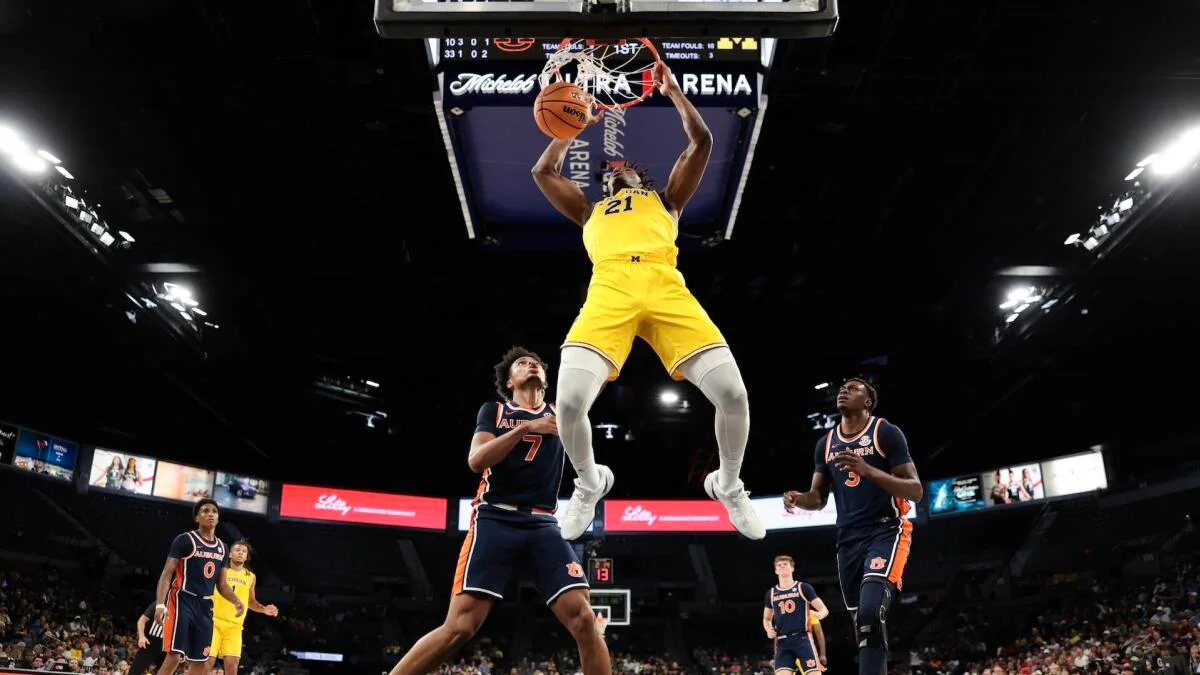
The brackets for the 2026 Players Era Championships have been confirmed, marking a structural evolution in how collegiate athletic events are organised and funded. The event, which is financed through Name, Image and Likeness (NIL) deals, will expand from its previous 18-team format to accommodate 24 participating schools. This expansion underscores the growing institutional influence of private funding mechanisms in shaping the competitive landscape of college basketball.
Organisers have moved away from the pool play and point-differential systems used in prior years, which faced criticism for their lack of traditional competitive clarity. The 2026 format introduces a pure bracket structure, splitting the event into two distinct tournaments held in Las Vegas during the second half of November. This shift reflects a broader industry trend towards standardising tournament formats to enhance viewer engagement and institutional legitimacy.
The first tournament will feature eight teams and take place from 17 to 19 November at the MGM Grand Garden Arena and Michelob Ultra Arena. Participating institutions include Florida, Michigan, Gonzaga, Iowa State, Houston, Louisville, Tennessee, and St John’s, alongside returning schools such as Rutgers, Notre Dame, Auburn, West Virginia, Kansas, and UNLV. Florida and West Virginia are the only newcomers to this specific bracket, highlighting the selective nature of participation.
The second, larger tournament will comprise 16 teams, running from 24 to 28 November. This division is structured as two eight-team brackets, with the champions of each bracket meeting for a championship title and an additional $1 million in NIL opportunities. The inclusion of schools like Baylor, Alabama, Michigan, Creighton, Miami, and TCU in the second bracket further demonstrates the depth of institutional interest in these high-profile, privately funded competitions.
A significant development in the event’s governance is the appointment of ESPN as the new television broadcast partner. This media deal replaces previous arrangements and signals a consolidation of broadcasting rights for major college basketball events. Additionally, a separate one-off game between Duke and UConn is scheduled for 23 November at T-Mobile Arena, linked to a distinct agreement with Amazon Prime Video, illustrating the fragmented yet interconnected nature of modern sports media rights.
All tip times and television windows for the Players Era games are yet to be determined, with organisers expected to release this information later in the offseason. The two tournaments will total 37 games, positioning the event as the largest regular-season competition in college basketball history. This scale of operation requires robust logistical coordination and highlights the increasing commercialisation of the sport.
The participation of 13 of the 24 schools in the previous year’s NCAA Tournament indicates a strong correlation between traditional competitive success and eligibility for these NIL-driven events. As the format stabilises, the Players Era Championships are likely to remain a focal point for discussions regarding the intersection of amateur athletics, private funding, and media distribution.