Playdate developer proves 3D rendering possible on handheld console
A work-in-progress platformer demonstrates that the Playdate can render three-dimensional environments, contradicting long-held beliefs about the device's technical constraints.
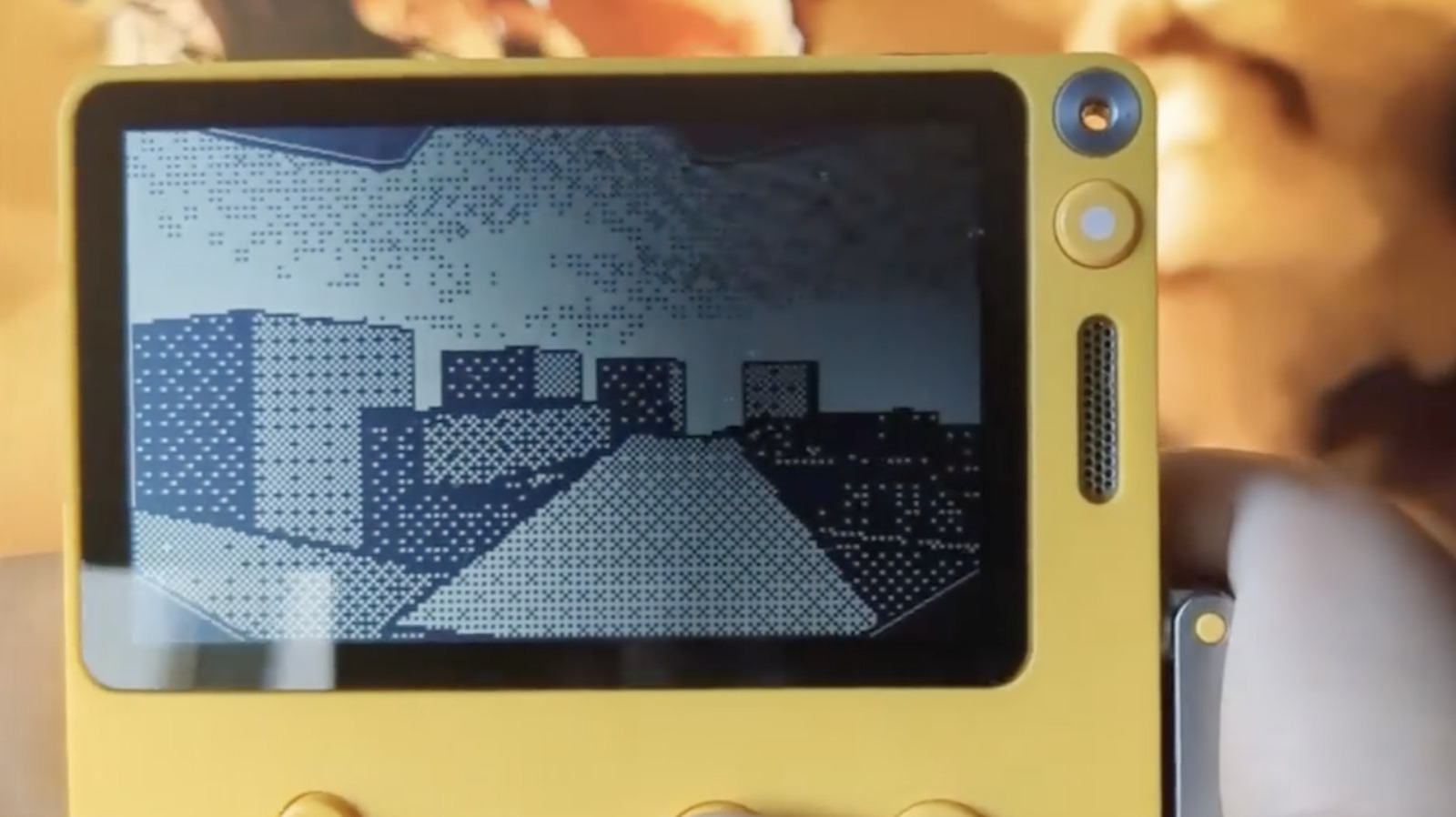
Game developer Cristina Ramos has released a video demonstration of a work-in-progress three-dimensional game running on the Playdate handheld console, directly challenging the prevailing perception that the device is incapable of rendering 3D environments. The footage, shared on social media on 22 July 2026, showcases platforming sequences that navigate interior spaces and feature rooftop jumping mechanics stylistically inspired by the video game Mirror’s Edge.
The demonstration includes exterior levels set under an open sky, a feature Ramos noted was previously considered unfeasible to create on the hardware. In a post on the social media platform Bluesky, Ramos highlighted the iterative nature of the project, stating she had been told 3D development was impossible on the Playdate and subsequently proved it could be done. She further noted that after being told exterior levels were unachievable, she demonstrated their viability as well.
The Playdate is a handheld gaming device distinguished by its unique crank controller and constrained hardware specifications. Historically, these limitations have led to the belief that the system cannot support three-dimensional graphics, a view that has persisted despite the device’s growing library of games. Developers have frequently found creative ways to utilise these specific constraints, often pushing the little yellow machine to its technical limits.
Ramos’s demo serves as a showcase of how working within strict limitations can drive innovation. The source material notes that with enough ingenuity, enterprising developers can achieve results that were previously deemed impossible on the platform. This technical achievement adds to the growing body of evidence that the Playdate’s hardware can support more complex graphical environments than originally assumed.
While the specific technical methods used to achieve 3D rendering are not detailed in the source material, the demonstration stands as a significant proof-of-concept. The device continues to attract developers who find novel applications for its hardware, a trend recently highlighted by a separate development where the Playdate was utilised to help synchronise the chimes of Big Ben.
The demo is described as a work in progress, meaning the final product may differ significantly from the current demonstration. It remains unclear if this technical achievement will lead to widespread adoption of 3D games on the platform or if it remains an isolated instance of developer ingenuity. The comparison to Mirror’s Edge is strictly stylistic, and the source does not claim the demo replicates the game’s engine or performance metrics.