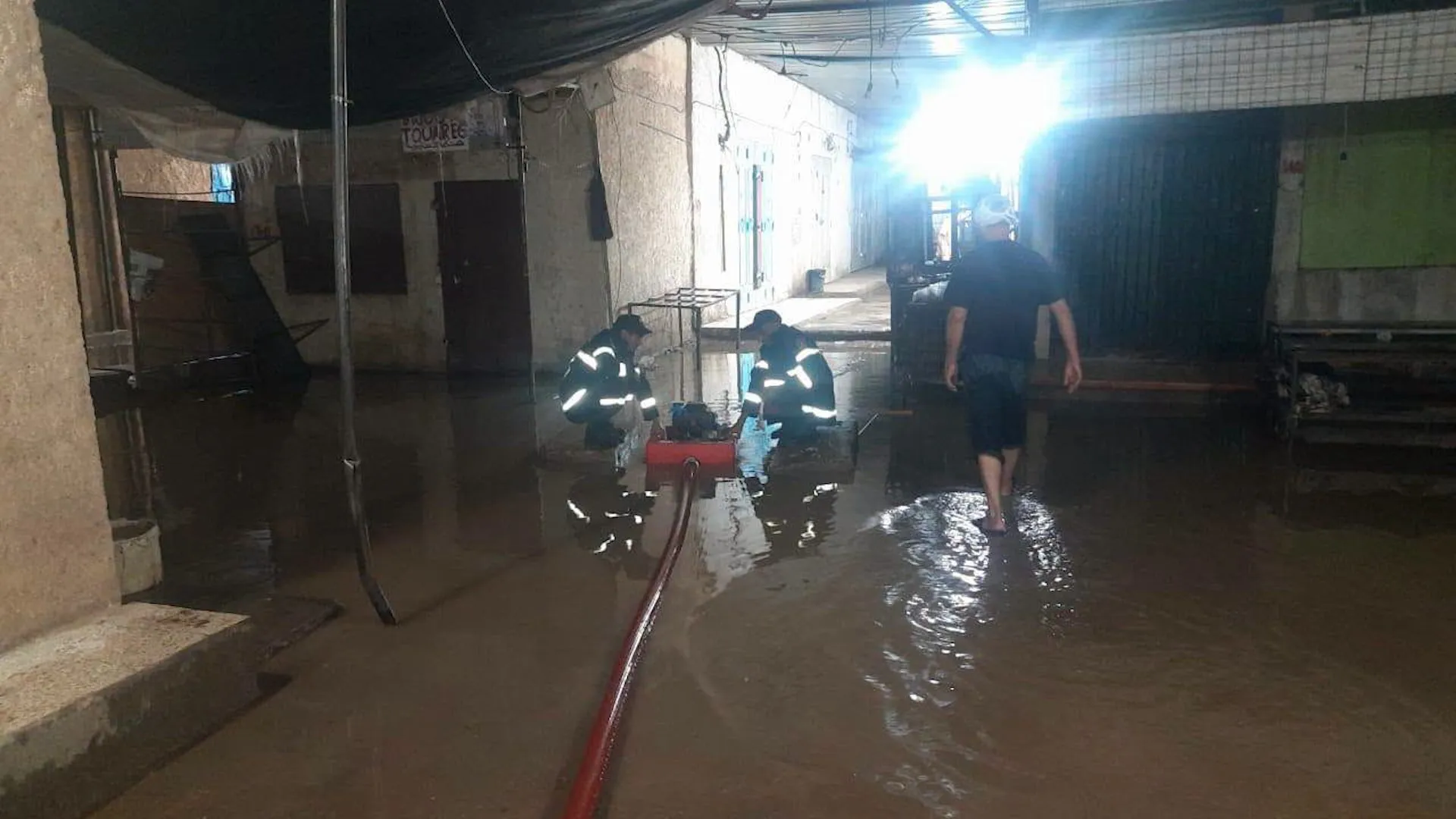
Philippines earthquake death toll rises to 37 as rescue efforts continue
NHK reports confirmed fatalities have doubled since initial estimates, with emergency systems facing scrutiny over warning accuracy.
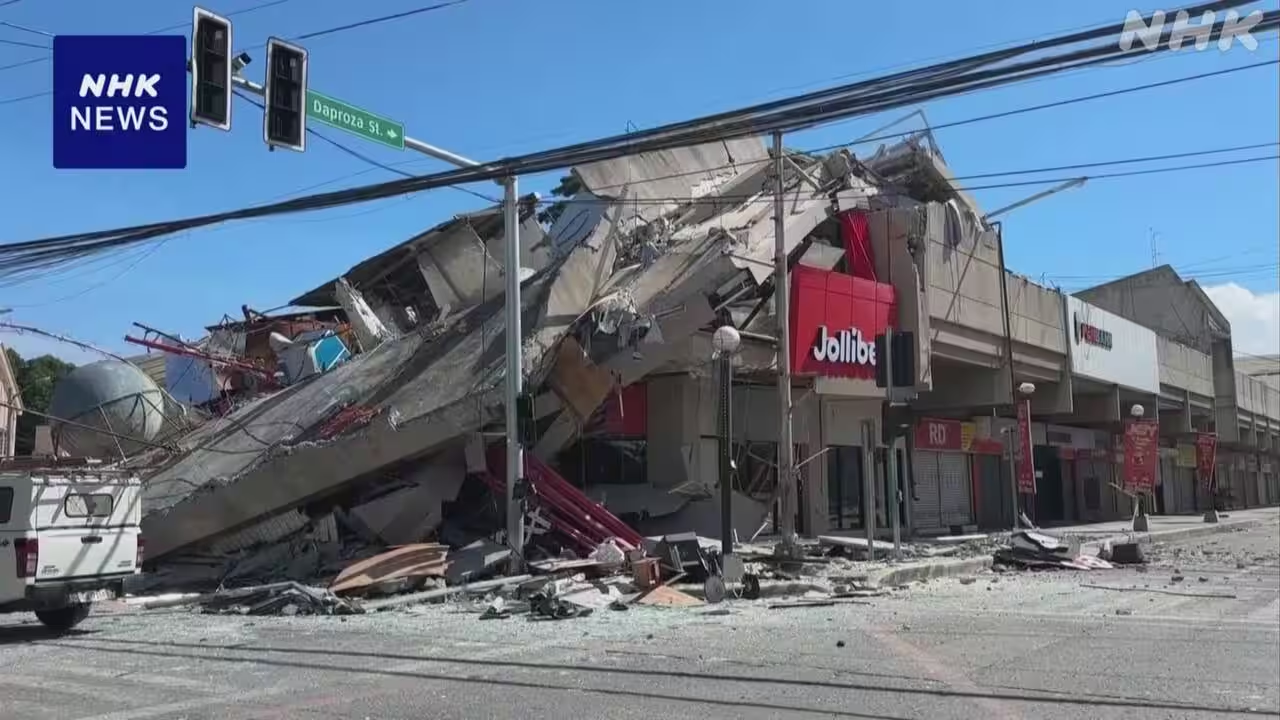
A magnitude 8.2 earthquake struck near the island of Mindanao in the southern Philippines on 8 June 2026, resulting in at least 37 confirmed deaths. The seismic event, which occurred on Monday, has prompted ongoing rescue operations at sites where multiple buildings have collapsed. The death toll represents a significant increase from earlier reports that indicated 19 fatalities, reflecting the developing nature of the disaster response.
The tremor triggered a tsunami with waves exceeding one metre, adding to the immediate hazards faced by coastal communities. Emergency services are currently prioritising structural collapse sites, where access remains challenging. The full extent of infrastructure damage and the number of missing persons remain unclear as recovery teams navigate the affected areas.
Attention has also turned to the performance of local emergency infrastructure. Reports indicate that emergency earthquake early warning systems designed for businesses may have overestimated the intensity of the shaking. While this suggests potential issues with system sensitivity or calibration, technical verification is required to determine whether the alerts constituted errors or conservative safety measures.
The event is classified as a major seismic incident, with the epicentre located off the coast of Mindanao. Authorities are continuing to assess the stability of remaining structures and the condition of critical transport links. The rising death toll underscores the severity of the impact, with the final count likely to increase as rescue operations progress and access to isolated zones improves.
Governance and disaster management protocols are under immediate review as the Philippines responds to the crisis. The combination of high-magnitude ground motion, tsunami activity, and structural failures has placed significant strain on local emergency resources. International aid coordination may become necessary as the scope of the destruction becomes clearer.