Philippines declares state of emergency as 7.8-magnitude quake kills four and triggers tsunami alerts
President Ferdinand Marcos orders immediate relocation of residents as aftershocks and regional tsunami warnings complicate rescue efforts in the wake of a major seismic event.
A 7.8-magnitude earthquake struck off the coast of southern Philippines on Monday, killing at least four people and causing significant structural damage in General Santos City. The United States Geological Survey recorded a subsequent aftershock of 6.5 magnitude, intensifying concerns as authorities coordinate emergency responses across the region.
Philippine President Ferdinand Marcos ordered the immediate evacuation of coastal residents to higher ground, emphasizing the urgency of the directive. "Move to higher ground now. Do not wait," Marcos stated, suspending classes in affected areas of Mindanao island on what was scheduled to be the first day of school. In Kiamba, a coastal town near the epicentre, regional disaster chief Agripino Dacera reported that approximately 80 percent of the population, or about 50,000 residents, had relocated to designated evacuation centres.
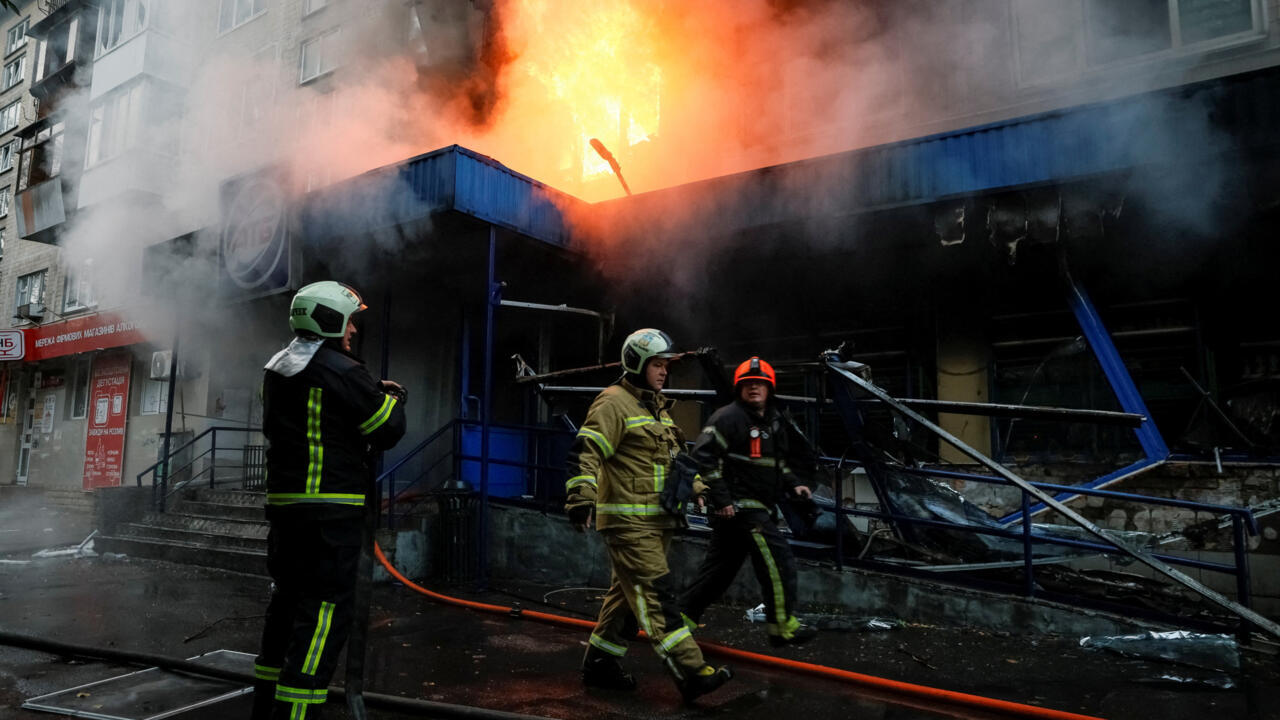
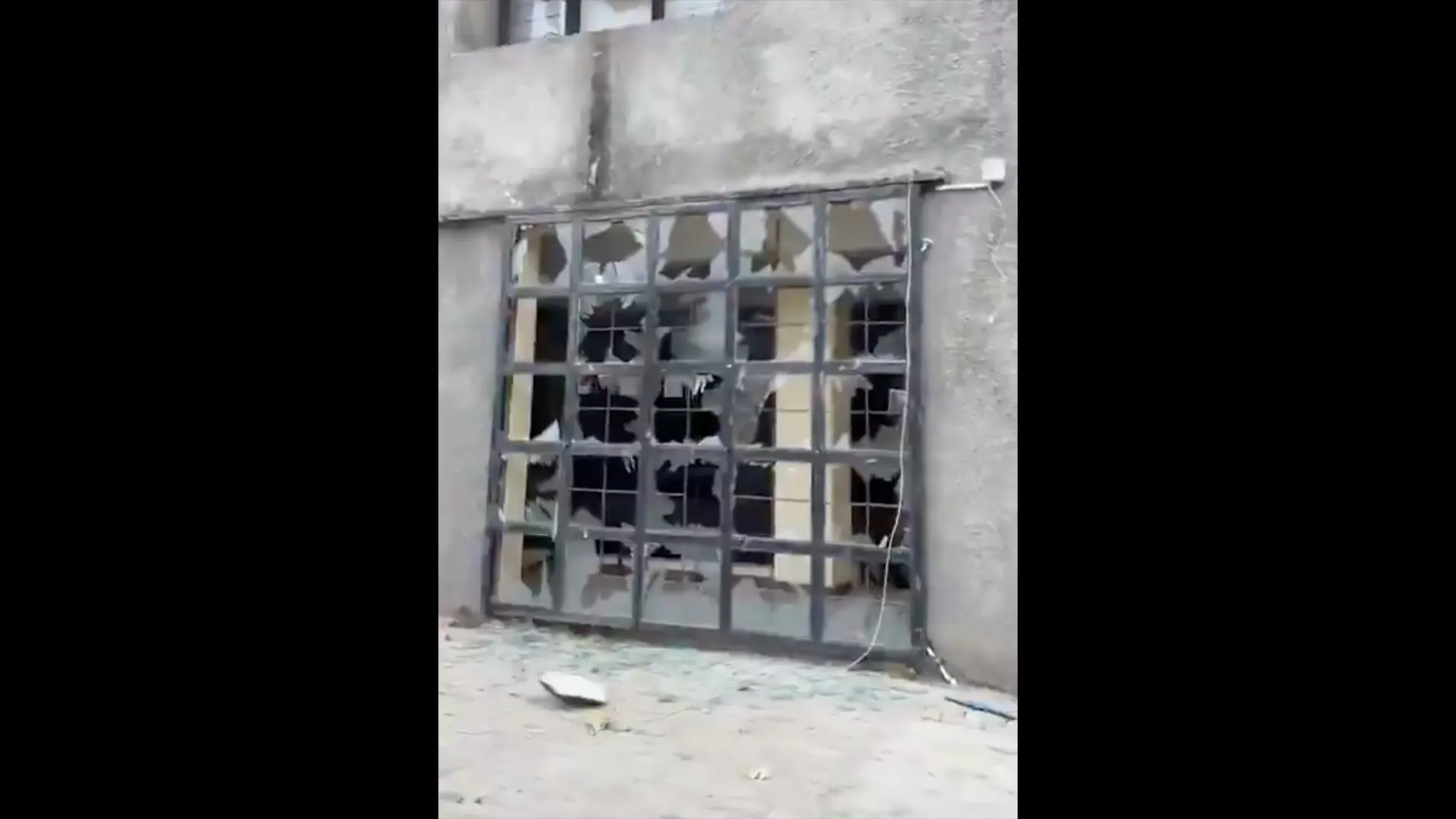
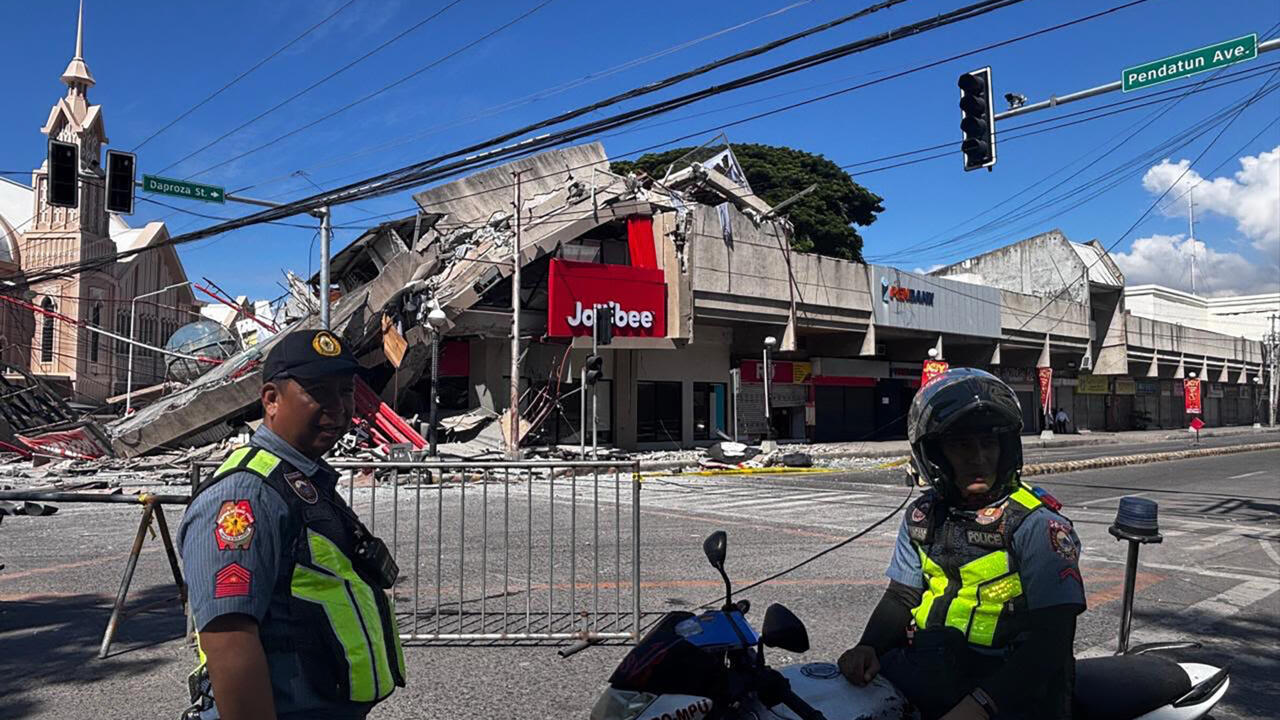
The seismic event resulted in the collapse of several buildings in General Santos City, a municipality of approximately 720,000 people. Video footage verified by AFP showed a shopping centre containing a Jollibee fast food restaurant reduced to rubble, alongside a school building that officials confirmed was unoccupied at the time of the quake. Police Major Roland Catoburan confirmed that two individuals were crushed to death by a collapsing wall in the nearby municipality of Alabel.
Master Sergeant Robert Dagon of the General Santos City police confirmed the death toll had risen to at least four, with four additional injuries reported. Dagon noted that while many buildings were affected, the full extent of the damage remained difficult to quantify due to ongoing rescue operations. The airport in General Santos was closed until further notice, disrupting transport links in the region.
The Pacific Tsunami Warning Center issued alerts for the Philippines, Indonesia, Palau, Taiwan, and Papua New Guinea, warning that tsunami waves were possible within three hours. Japan issued a tsunami advisory for its Pacific coast, projecting waves of up to one metre. While Jakarta’s meteorological agency initially issued warnings for Indonesia, it subsequently lifted its alert. This event follows a series of recent seismic activities in the region, including a magnitude 6.9 quake in Cebu province last month that killed 76 people.