Bolivian miners clash with police in demand for President Paz’s resignation
Clashes erupted in Bolivia on 19 May 2026 between miners and police, with the protesting workforce explicitly calling for the immediate resignation of President Paz.
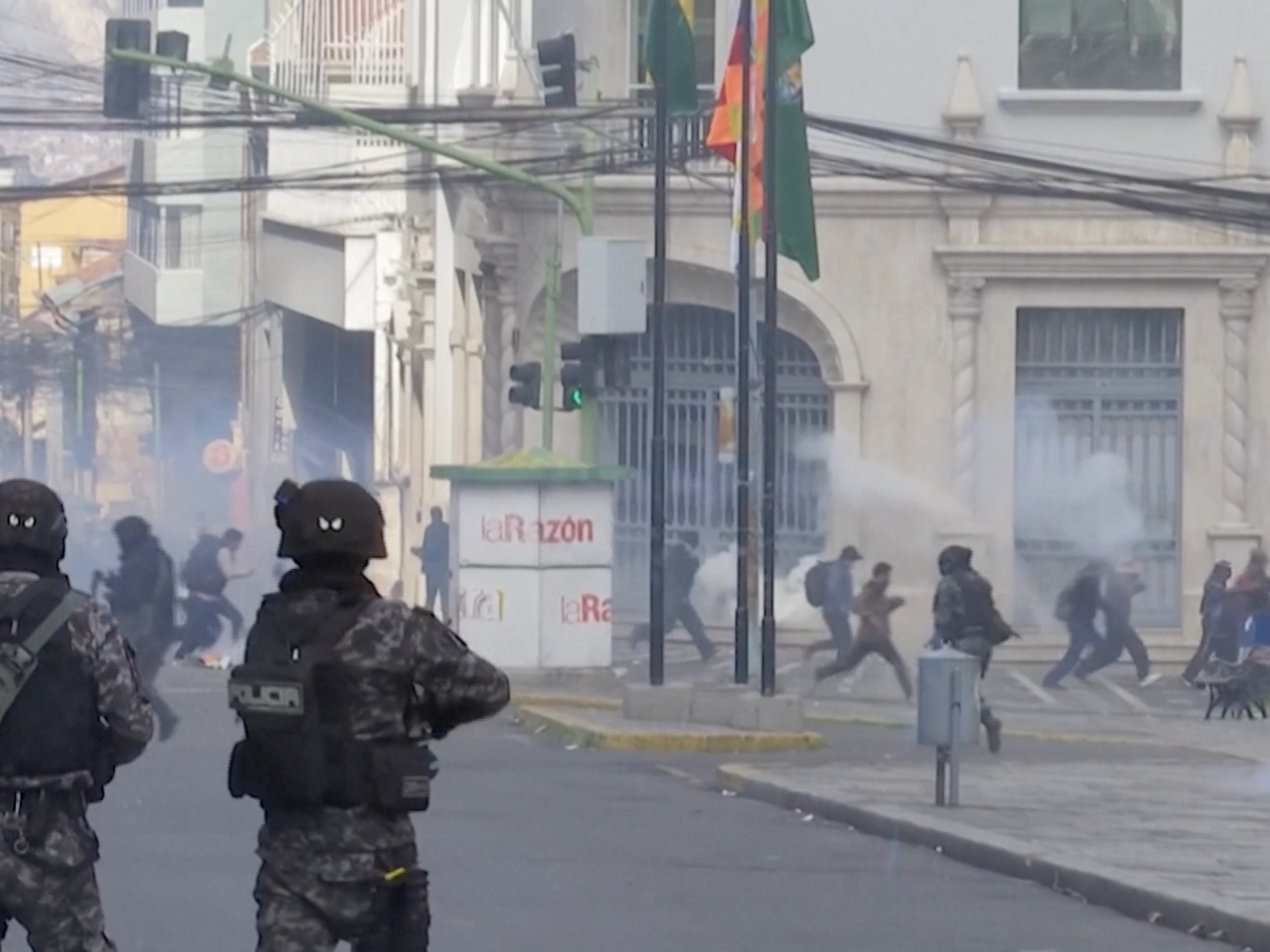
Bolivian miners engaged in direct confrontations with police forces on 19 May 2026, escalating tensions within the nation’s security landscape. The demonstrations were driven by a unified demand for the resignation of President Paz, marking a significant challenge to the current administration’s stability.
According to reports from Al Jazeera Global News, the incident involved a physical clash between the mining workforce and law enforcement. The miners’ primary objective was political, centred on removing President Paz from office. This specific group of protesters distinguished their actions from general public unrest by focusing their demands on the head of state.
The event has been categorised under security by news analysts due to the involvement of police forces and the nature of the physical confrontation. The high confidence in this classification reflects the immediate threat to public order presented by the clashes.
Details regarding the specific locations within Bolivia where the confrontations occurred remain unconfirmed in the available reporting. Furthermore, the source material does not provide information on the duration of the clashes, the specific tactics employed by either side, or any reported casualties resulting from the engagement.
The identity of President Paz is referenced in the reports, though full titles or additional biographical details are not included in the current brief. The focus of the reporting remains on the miners’ stated political goal and the resulting security incident rather than the broader policy context or historical precedents for such protests.
As the situation develops, the immediate outcome of the clashes and the government’s response to the miners’ demands have not yet been detailed. The incident highlights the volatile intersection of labour unrest and high-level political pressure in the region.