Petrol queues form in Tehran as US blockade impact emerges
Iranian officials warn that a combination of ongoing conflict and high inflation is driving fuel shortages, with long lines now visible in the capital.
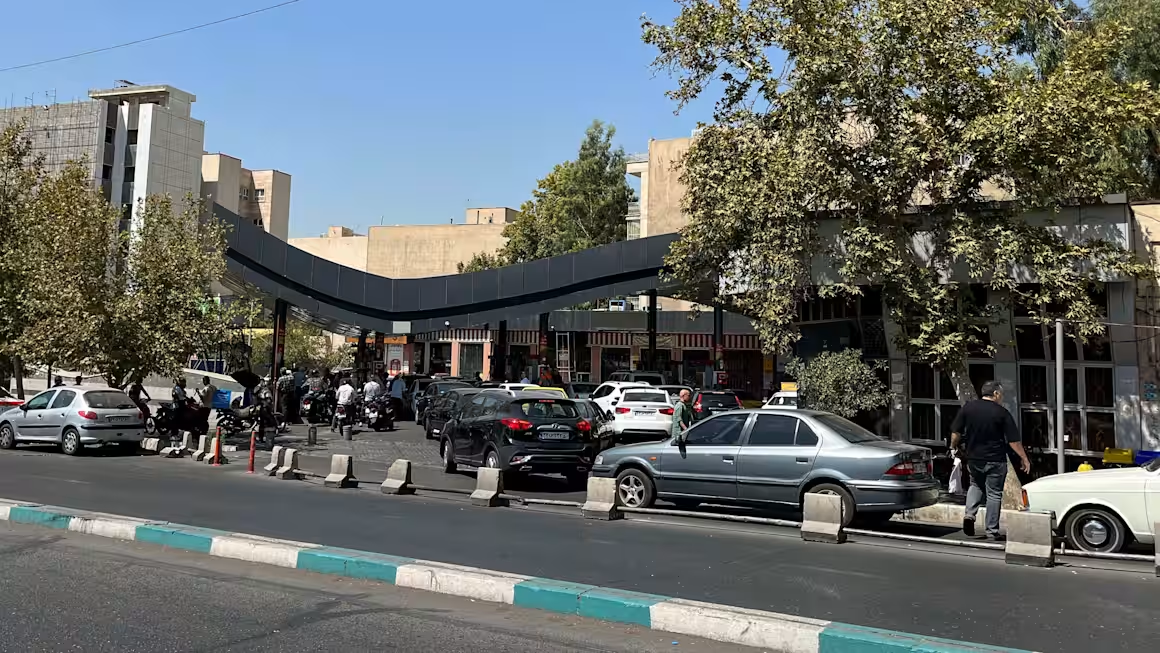
Long queues for petrol have formed in the Iranian capital, Tehran, as the practical effects of a United States blockade become increasingly apparent. The development marks a tangible shift in the economic landscape, moving beyond diplomatic posturing to affect daily life and supply chains within the region.
Iranian officials have explicitly linked the emerging fuel shortages to a dual pressure of ongoing war and persistent high inflation. According to reports from the Financial Times, these factors are converging to strain domestic fuel availability, prompting the visible lines at petrol stations across the capital.
The current situation follows the collapse of a 60-day ceasefire between the US and Iran in June 2026. That breakdown set the stage for renewed tensions, which have since escalated into a broader geopolitical standoff with significant implications for energy markets and trade routes.
Tensions have further intensified with US President Donald Trump’s assertion that the Strait of Hormuz will become US territory. This political claim has been disputed by Iran’s deputy foreign minister, who stated that the waterway "will remain Iranian," highlighting the ongoing friction over control of this critical shipping lane.
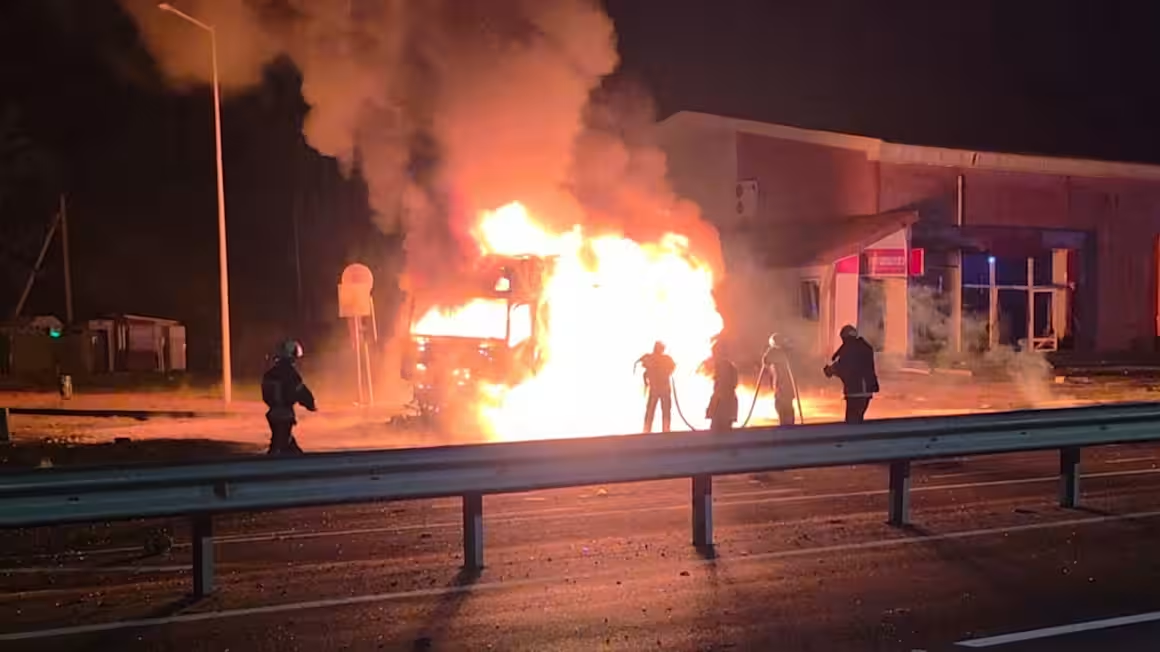
Recent reports indicate that another ship was struck in the region, adding to the sense of instability. While the precise mechanism of the US blockade—whether naval, economic, or logistical—remains undefined in current disclosures, its impact on fuel distribution is now evident on the ground.
For investors and institutions, the situation underscores the vulnerability of energy supplies to geopolitical shocks. The exact duration and severity of the shortages have not yet been quantified, but the visible queues in Tehran suggest that the economic bite of the blockade is already being felt by consumers and businesses alike.