Peterborough United rebrands with streamlined logo in first shift since 2008
Chairman Darragh MacAnthony cites commercial growth, but fan reaction remains divided over the loss of historical symbolism.
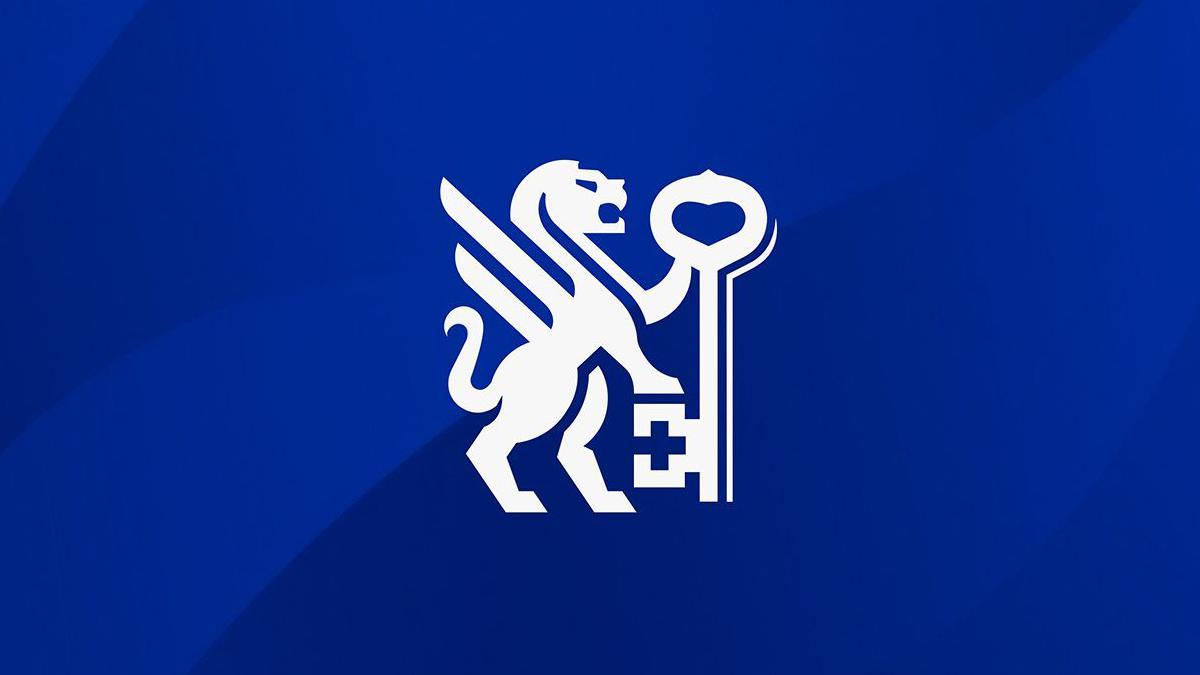
Peterborough United has unveiled a new club logo, marking its first significant visual rebrand since 2008. The League One side has replaced its long-standing crest, which featured the city’s coat of arms, with a streamlined design centred on a winged lion holding a key. The change marks the first time since the 1970s that the club has not incorporated the city’s traditional heraldry into its primary identity.
The club stated that the rebrand was driven by the need to adapt to modern digital landscapes, specifically social media and streaming platforms, which did not exist during the previous iteration of the badge. The new emblem was designed by Christopher Payne, who consulted with club historians, fans, and local residents to create a simplified version of the winged lion and key, elements previously found in the city’s shield.
Peterborough United chairman Darragh MacAnthony described the branding overhaul as a “massive part” of the club’s evolution. He indicated that the updated visual identity is expected to facilitate new commercial deals, aligning the club with contemporary standards of sports marketing. The decision follows similar rebrands by local rivals Cambridge United and Norwich City, suggesting a broader trend within the region’s football landscape.
Reaction from the fanbase has been mixed. Some supporters, such as Bill Thatcher from Eastfield, praised the cleaner aesthetic, noting that the inclusion of the key resonated with local symbolism. However, others expressed disappointment at the removal of historical markers. Michelle Wilson, a former season ticket holder, stated the new design did not evoke a connection to Peterborough, while Angela Noble noted the absence of the team’s name and founding year, which were present in the 2008 crest.
The Posh Supporters Trust highlighted that the club’s emblem has almost always featured the city’s coat of arms, a symbol also utilised by local taxi firms and other sports clubs. Katie Skingle, director of branding agency Kat Marketing, defended the change, arguing that football club logos must have longevity and that the new design balances modern appeal with the club’s heritage. The extent to which the rebrand will achieve its commercial objectives remains to be seen.