Peter Thiel’s influence spans technology, politics and AI debate
The billionaire investor’s links to Palantir, Donald Trump and JD Vance have placed his business interests and political views at the centre of wider arguments over democracy and artificial intelligence.
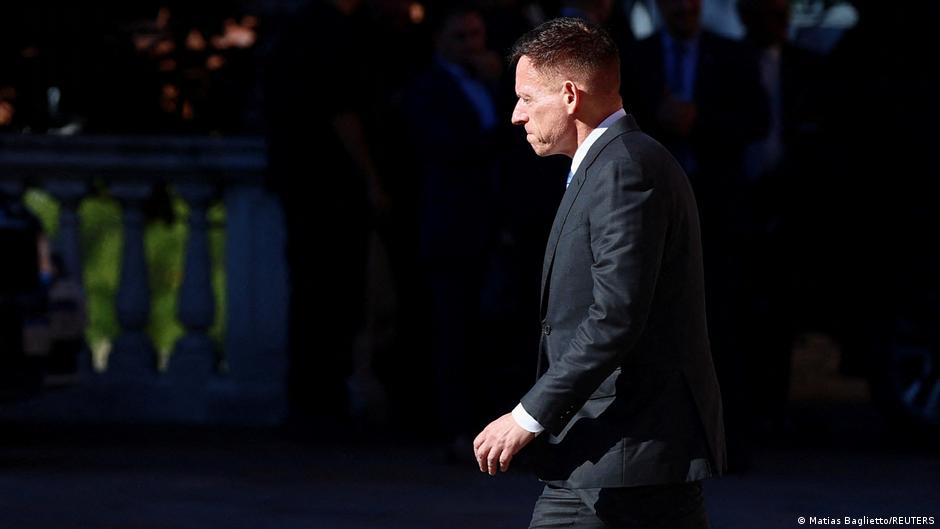
Peter Thiel’s influence extends across technology, US politics and debates about the role of artificial intelligence, according to a profile by Deutsche Welle. The PayPal co-founder was an early outside investor in Facebook and holds interests in companies including Palantir, SpaceX and OpenAI.
Palantir, a surveillance and data-analytics company, has secured billions of dollars in government contracts to develop software for the Pentagon and US Immigration and Customs Enforcement. Its growing role in security systems has prompted several European countries, including the UK, to reassess or end government and military links with the company over security concerns.
Thiel has also built a significant political network. He donated $1.25 million to Donald Trump’s 2016 presidential campaign and later became an adviser and donor connected to Republican figures, including JD Vance. Deutsche Welle reports that Thiel donated $15 million to Vance’s 2022 Senate campaign.
His political outlook has been described as libertarian nationalist. He has expressed distrust of authorities, regulation, liberal elites and aspects of representative democracy, while arguing that technology can provide an alternative to politics. Critics, including Thiel biographer Max Chafkin, have characterised those views as hostile to democracy.
The profile also examines the influence of Thiel’s Christian beliefs on his politics and his recent focus on the antichrist. He has criticised environmental activist Greta Thunberg and governments seeking to regulate AI, and accused Pope Leo XIV of working for Chinese communists after the pontiff warned of AI’s risk of dehumanisation.
Thiel has reportedly moved to Argentina and held talks with President Javier Milei as the government considers incentives for foreign companies and investment in AI data centres. The extent of those discussions, and their implications for Thiel’s business interests, is not established in the source material.