Peru run-off tightens as Fujimori and Sanchez trade stability claims
With polls showing a dead heat, Keiko Fujimori leverages congressional strength and centre-right endorsements, while Roberto Sanchez attempts to distance himself from controversial alliances ahead of Sunday’s vote.
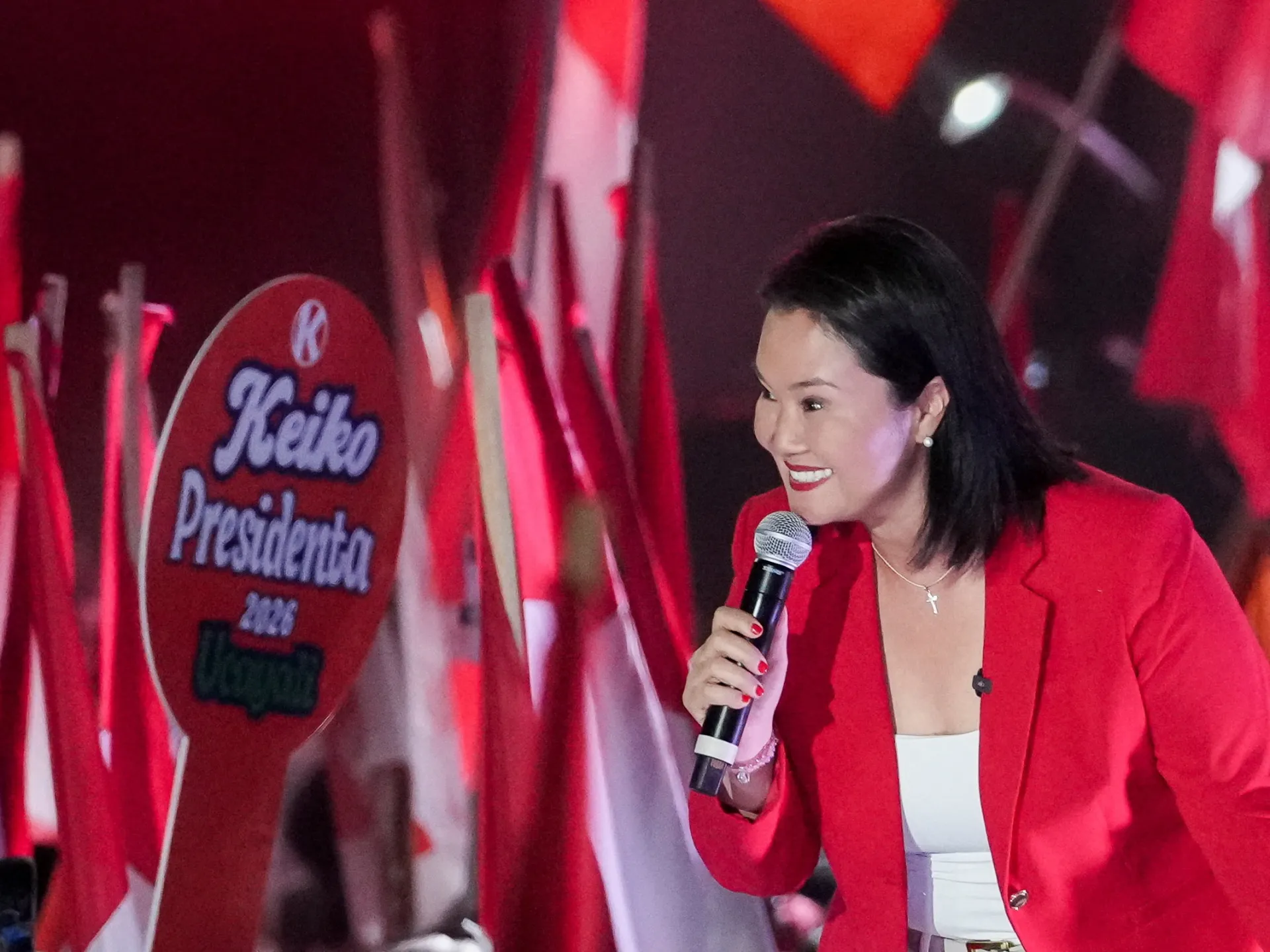
Peru is preparing for a presidential run-off election on Sunday between right-wing candidate Keiko Fujimori and leftist rival Roberto Sanchez, marking the fourth bid for the presidency by Fujimori. The race has tightened significantly, with recent surveys from the research firm Ipsos indicating that Fujimori’s previous lead has disappeared, leaving the outcome uncertain. Political analysts suggest this contest represents Fujimori’s strongest opportunity for victory, driven by voter concerns regarding stability, crime, and economic continuity.
Fujimori, 50, has been a central figure in Peruvian politics since 1994, when she was appointed to a government role by her father, former President Alberto Fujimori. Her campaign has increasingly framed the election as a choice between order and chaos, leveraging nostalgia for her father’s tenure which ended in 2000. Although Alberto Fujimori died in 2024 after serving time for crimes against humanity, including extrajudicial killings and forced sterilisation, Fujimori has sought to distance herself from his most egregious acts while defending his broader political legacy. She has acknowledged that crimes occurred under his watch but has consistently advocated for amnesty for those involved, a stance that critics argue promotes impunity.
The leftist candidate, Roberto Sanchez, faces the challenge of rehabilitating his political image following past associations with controversial figures. He previously formed an alliance with Antauro Humala, a former army officer known for extremist views, and has promised to pardon former President Pedro Castillo, who attempted a self-coup in 2022. Sanchez has invited Castillo’s family members to run for Congress under his party’s banner and has signalled a desire to rewrite the 1993 constitution, which established Peru’s free-market framework. These positions have alarmed centre-right voters concerned about economic stability.
Centre-right politician Rafael Belaunde has endorsed Fujimori for the run-off, citing fears that Sanchez’s constitutional proposals could destabilise the economy. Belaunde, who resigned from his party, Libertad Popular, over the decision, argued that a rewrite of the constitution would be fatal to Peru’s decades of stable growth and low inflation. His endorsement highlights a shift in the political calculus, with some voters viewing Fujimori as the lesser evil compared to the perceived risks associated with Sanchez’s platform.
Fujimori’s party, Fuerza Popular, holds significant power in Congress, a structural advantage that political scientist Mauricio Zavaleta notes could allow her to serve a full term until 2031. In a country that has seen nine presidents in the past decade, this durability is presented as a key benefit. However, Fujimori’s own record includes pre-trial detention in a money-laundering investigation, which a court dismissed last year as flawed, and baseless claims of electoral fraud following her 2021 defeat. Despite these controversies, she remains a formidable opposition leader who has successfully installed allies in key government roles, though critics describe her as a threat to democratic norms.