Peru heads to polls in high-stakes runoff between Fujimori and Sanchez
With the country’s ninth leader in ten years yet to be determined, voters face a tight contest between hardline security measures and police reform, set against a backdrop of logistical failures in the first round.
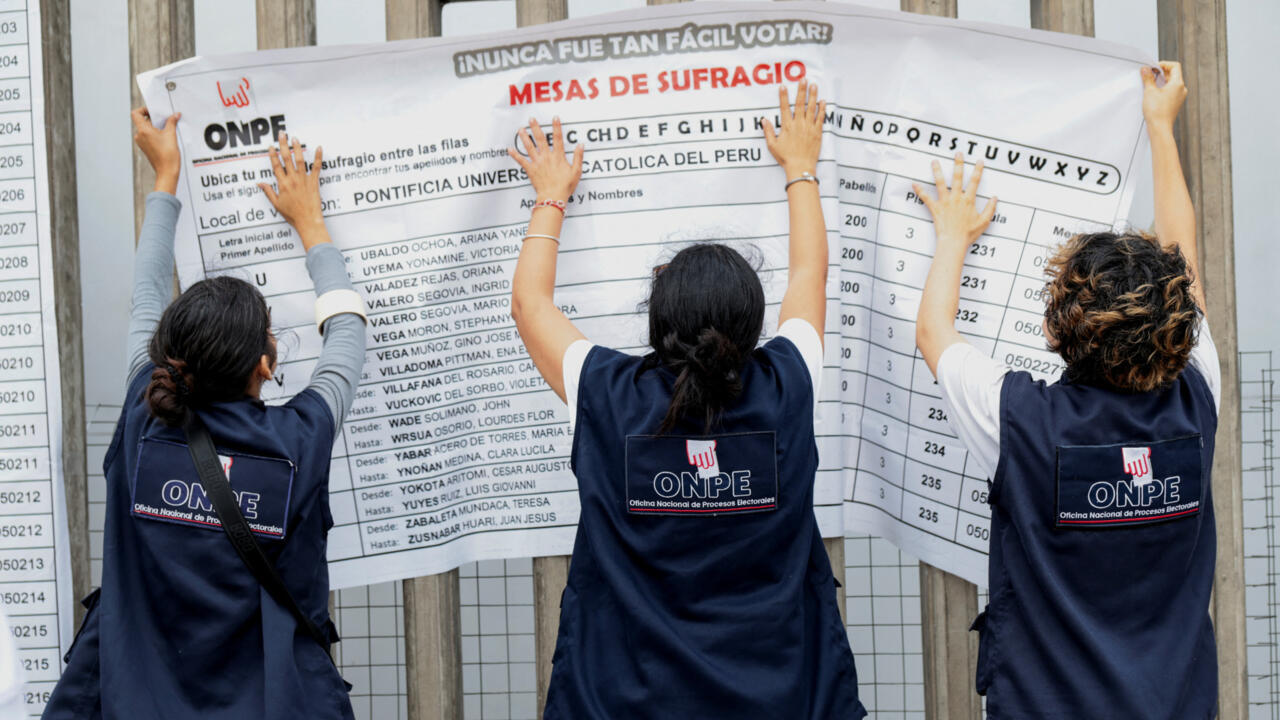
Peruvians cast their ballots on Sunday in the final round of the presidential election, choosing between conservative Keiko Fujimori and leftist Roberto Sanchez. The runoff aims to select the country’s ninth leader in ten years, following a turbulent political period that has seen significant instability and public disillusionment. The winner is scheduled to replace interim president Jose Maria Balcazar on 28 July, assuming control of a nation grappling with rising crime and deep-seated institutional distrust.
The election follows a first round in April that was marred by logistical problems and fraud allegations, which deepened cynicism among the electorate. In that initial vote, the combined totals for the two finalists failed to reach 30 percent of the vote, highlighting the fragmentation of Peru’s political landscape. Analysts note that whoever wins a close result may face questions of legitimacy, potentially exacerbating the instability that has characterised recent years.
Fujimori, 51, is making her fourth bid for the presidency. The daughter of former autocratic president Alberto Fujimori, she campaigns on a platform of order and security, appealing to voters’ fears of regression. Her proposals include militarising prisons and expelling migrants to combat what she describes as a social scourge. She frames the contest as a choice between order and the dangers of communism, warning that Peru could follow the path of Cuba or Venezuela.
Her opponent, Roberto Sanchez, is a 57-year-old psychologist and congressman who surged late in the race to tie Fujimori in the polls. Drawing on the rural background of his mentor, former president Pedro Castillo, Sanchez focuses on tackling corruption within the police and judiciary. He has distanced himself from ultranationalists and seeks a respectful relationship with US President Donald Trump, while also pledging to pardon Castillo, who is currently jailed following a failed palace coup in 2022.
Both candidates face significant governance challenges, including the need to build legislative alliances as neither holds a majority. Additionally, a judge ruled on the eve of the vote that Sanchez must stand trial over past financial irregularities in his party; while he would gain presidential immunity if elected, he would remain vulnerable in a right-leaning parliament. The winner inherits a stable economy with low inflation but must address an informal workforce comprising seven out of ten workers.
Voting hours ran from 07:00 to 17:00 local time, with approximately 27 million eligible voters selecting a president for a five-year term. Despite the political chaos, the primary driver for voters remains security, with extortion complaints spiking ninefold in five years. The outcome will determine whether Peru adopts Fujimori’s hardline security approach or Sanchez’s focus on institutional reform and rural interests.