Peru earthquake shakes Andean towns, damages public infrastructure
Preliminary assessments reveal damage to homes and medical facilities following a 6.7-magnitude tremor, with emergency teams deployed to affected regions.
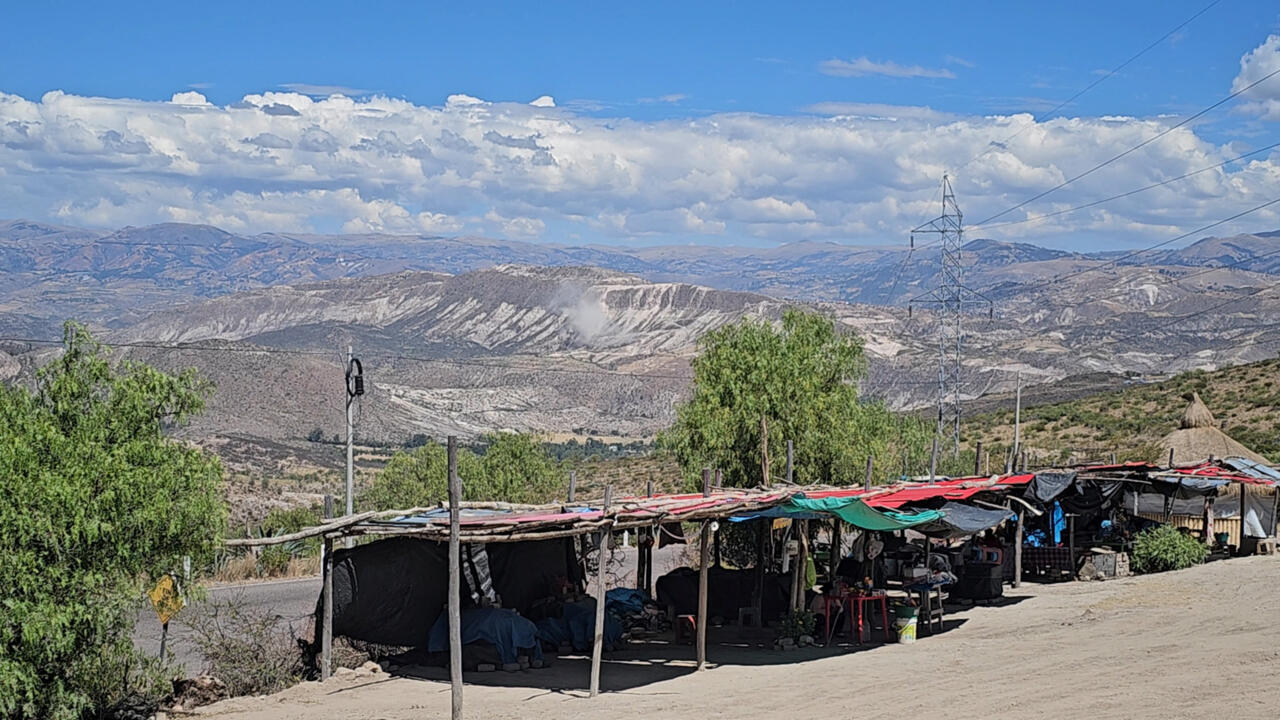
A 6.7-magnitude earthquake struck southern Peru on Thursday, triggering landslides and causing structural damage across the Andean region. The United States Geological Survey recorded the event at 1 pm local time, placing the epicentre approximately 40 kilometres northwest of Upahuacho. The tremor occurred at a depth of 99 kilometres, according to the USGS, though Peru’s Geophysical Institute reported a higher magnitude of 7.2 and a depth of 108 kilometres.
Preliminary damage assessments indicate that at least 22 homes, six schools, and 12 medical centres were affected by the quake. Three people were reported injured, with authorities continuing to evaluate the extent of the destruction. The National Institute of Civil Defence stated that the earthquake was felt with moderate to strong intensity in several departments, prompting ongoing monitoring of the situation.
Emergency response teams have been deployed to the towns of Puquio and Coracora, where landslides were reported. Coracora, the closest settlement to the epicentre with a population of approximately 10,000, experienced significant ground movement. Mayor Yony Odon told state television that residents had evacuated and taken shelter, expressing hope that major structural damage had been avoided despite the preliminary reports.
The seismic activity was felt in major cities including Lima, Cusco, and Arequipa, although with lesser intensity than in the epicentral zone. A 4.2-magnitude aftershock was recorded at 4:30 pm local time, adding to the uncertainty for residents in the affected areas. The discrepancy in magnitude readings between international and domestic seismological agencies highlights the ongoing challenges in accurately assessing the immediate impact of the event.
This event follows a period of significant seismic activity in the region. A double earthquake in Venezuela in June resulted in over 6,400 deaths, while a powerful tremor in Colombia last week left nearly 300 people dead. The recurring nature of these disasters underscores the vulnerability of the region to tectonic shifts and the need for robust civil defence infrastructure.
As officials continue their damage assessments, the focus remains on the integrity of public infrastructure, particularly medical centres and schools. The deployment of emergency teams to the highland towns reflects the government’s prioritisation of immediate relief and structural safety in the aftermath of the quake.