Pentagon silence on Minab school strike draws sharp rebuke from former defence officials
Critics say the administration's refusal to acknowledge potential US involvement in the attack, which killed 168 people including 110 children, contradicts standard procedures followed in previous cases.
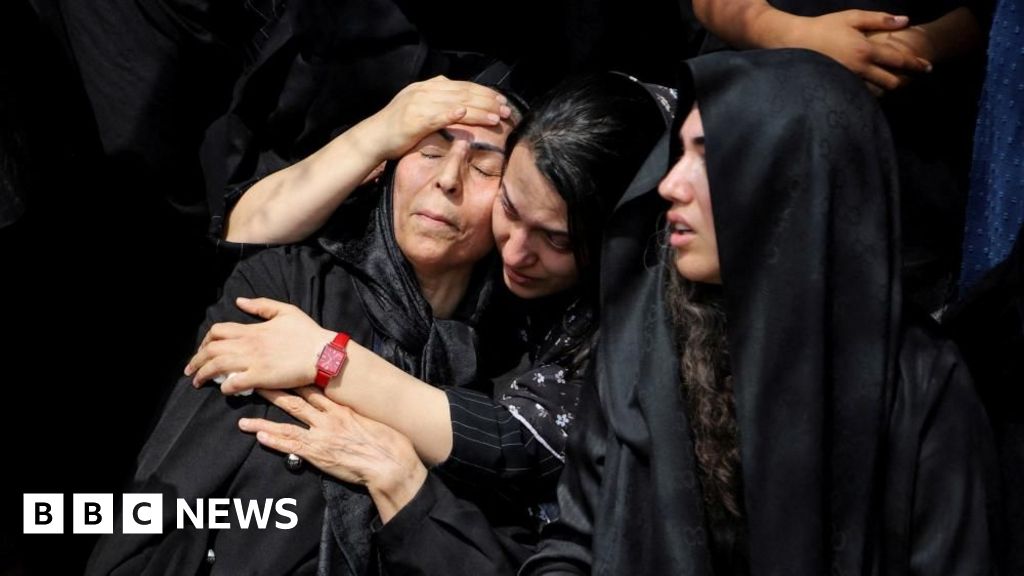
Five former US officials, including a retired Judge Advocate General and a precision warfare adviser, have publicly condemned the Pentagon for its sustained silence concerning a missile strike on an Iranian primary school in Minab. The attack occurred on 28 February during the opening phase of the US-Israeli conflict, resulting in the deaths of 168 people, approximately 110 of whom were children. While independent video evidence and media reports suggest a US Tomahawk missile struck the school due to outdated coordinates, the Department of Defense has maintained that the incident is under investigation and has declined to comment on specific details regarding the targeting of the adjacent military base.
Lt Col Rachel E VanLandingham, a retired Judge Advocate General in the US Air Force and former senior legal adviser at US Central Command, stated that the current lack of transparency strikingly departs from the standard response in previous cases of civilian fatalities. She noted that in three historical cases reviewed by the BBC, significantly more information was released by the Pentagon within less than a month. VanLandingham argued that the administration's failure to demonstrate fidelity to the law of war and a commitment to accountability is unacceptable, particularly given that preliminary inquiries likely confirm US involvement.
The opacity of the current administration's response has been exacerbated by President Trump's public assertions that Iran was responsible for the strike without providing evidence. When asked about video footage showing a US Tomahawk hitting the Iranian Revolutionary Guard Corps base next to the school, the President claimed he had not seen it and asserted without proof that Iran possessed Tomahawk missiles. This stance has drawn criticism from former officials who describe the claim as unfounded and note that it appears to stem from a reluctance to contradict the President with negative news about the war.
Defence Secretary Pete Hegseth has repeatedly declined to answer direct questions from the BBC and Congressional Democrats regarding the targeting of the school or the adjacent IRGC base. Although the Pentagon has stated that an investigating officer from outside the CENTCOM chain of command has been appointed, letters sent to Congressional Democrats have provided no answers to specific inquiries about whether the US carried out the strike. Wes Bryant, a former senior adviser on precision warfare, suggested that the initiation of a formal investigation only after both civilian harm and US presence were established points to the administration knowing the US caused the incident but refusing to acknowledge it.
Congressional Democrats have expressed deep concern over the administration's handling of the incident, with House Armed Services Committee chair Adam Smith describing the Pentagon's refusal to comment on US responsibility as pathetic and inadequate. While Republican members of Congress have largely declined to comment on the administration's actions, some have privately condemned the strike. The BBC has reviewed responses from the Pentagon which offer no admission of fault, contrasting sharply with the detailed public comments made by senior military officials in prior instances of civilian harm under both Democratic and Republican administrations.
The situation remains complicated by the fact that Iranian authorities have not granted independent access to the site, preventing the UN Fact Finding Mission on Iran from visiting the location to verify details. Former State Department official Charles O Blaha suggested that the silence in Washington could stem from a rejection of any negative news about the war branded as unpatriotic. Despite these external factors, former officials argue that the refusal to provide basic details while a probe is ongoing sets a problematic precedent for how the US government manages accountability for civilian casualties.