Pentagon reportedly elevates Israel to top counterintelligence threat amid Iran war tensions
Washington and Jerusalem deny allegations of espionage, but experts suggest the leak is a calculated political move to pressure Israel on its military campaign in Lebanon and negotiations with Iran.
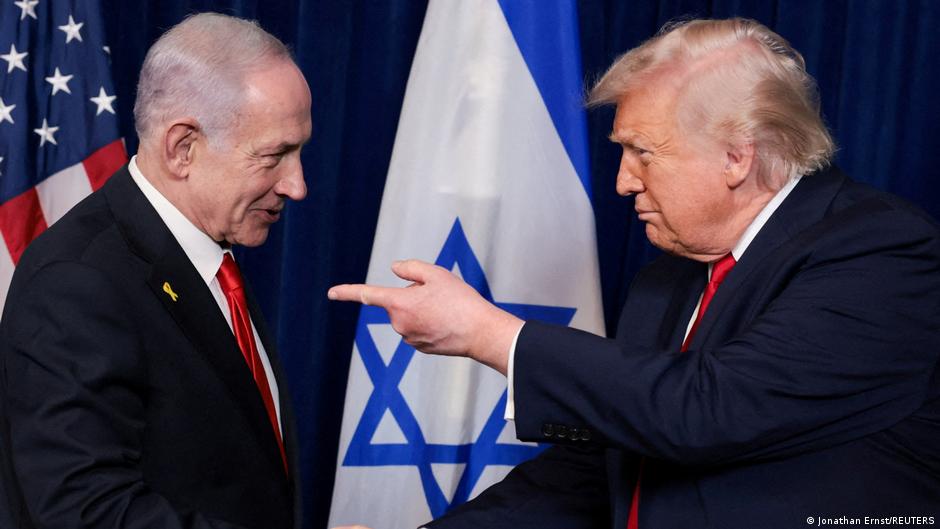
US media reports indicate that the Pentagon has reclassified Israel as the highest internal category of counterintelligence threat, citing significantly expanded intelligence activities against American institutions. The allegation, reportedly leaked by an anonymous source from the US Defense Intelligence Agency (DIA), has prompted official denials from both Washington and Jerusalem, with Israeli officials dismissing the claims as completely false.
The controversy emerges against the backdrop of a joint US-Israel military engagement with Iran and reported strains in the relationship between President Donald Trump and Prime Minister Benjamin Netanyahu. Intelligence experts suggest the leak may have been released in consultation with the US government to exert diplomatic pressure on Israel, particularly regarding ongoing bombing campaigns in Lebanon and negotiations with Tehran.
German intelligence expert Erich Schmidt-Eenboom argues that mutual surveillance among strategic allies is a long-standing, albeit discreet, practice. He noted that while former German Chancellor Angela Merkel condemned US spying on allies in 2013, the German foreign intelligence service, the BND, had similarly monitored allied nations for decades. Schmidt-Eenboom believes the current reclassification reflects a crisis of confidence, potentially triggered by Israel monitoring high-ranking US officials, including Special Envoy Steve Witkoff and Department of Defense officials involved in Iran talks.
Historical precedents underscore the complexity of US-Israel intelligence relations. The 1987 case of Jonathan Pollard, a US Navy analyst who passed classified information to Israel, resulted in a life sentence before his eventual release and return to Israel in 2020, where he was greeted by Netanyahu. Similarly, Lawrence Franklin was convicted in 2004 for sharing confidential Iran policy information via the pro-Israel lobbying group AIPAC. More recently, the 2013 Snowden leaks revealed that the NSA had monitored allied leaders, including Merkel and French presidents, while 2023 reports suggested US monitoring of South Korean government talks.
Schmidt-Eenboom posits that the public leak serves a specific political function for the Trump administration. With the US midterm elections approaching in November, the President faces constraints in directly antagonising the Israeli lobby or cutting military aid. By framing Israel’s actions as a severe counterintelligence breach, Washington may be creating a narrative to pressure Israel to halt bombings and withdraw troops from southern Lebanon without resorting to direct financial sanctions.