Pentagon expands Chinese military blacklist to 188 firms, adding Alibaba and BYD
The US Department of Defence has designated Chinese corporate giants Alibaba, BYD, and Baidu as 'Chinese military companies', barring them from defence contracts and drawing sharp condemnation from Beijing.
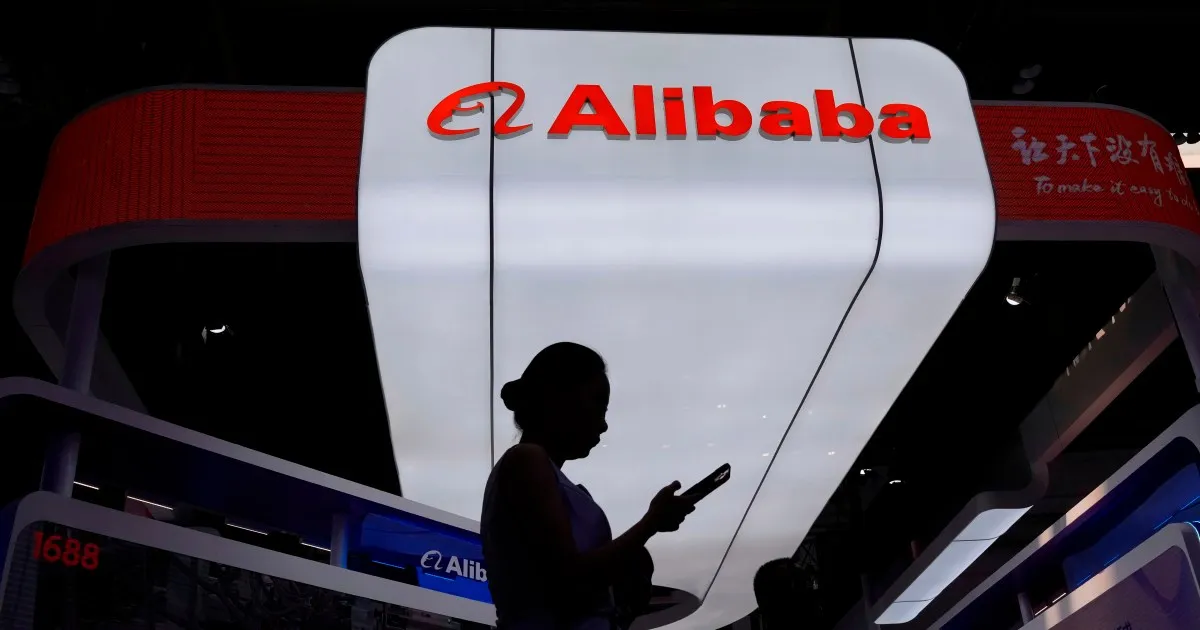
The US Pentagon has added Chinese corporate giants Alibaba, BYD, and Baidu to its list of 'Chinese military companies', expanding the blacklist to 188 firms. The designation bars these entities from consideration for US defence contracts starting later this month, marking a significant escalation in economic statecraft. The move follows a recent summit between US President Donald Trump and Chinese leader Xi Jinping aimed at easing trade tensions, complicating the fragile detente between the two nations.
China’s embassy in Washington condemned the listing as 'discriminatory' and an example of the US government 'overstretching' national security concepts. An embassy spokesperson stated that Chinese companies operating overseas have been 'strictly observing laws and regulations of their host countries' and urged the US to create a 'fair, just and non-discriminatory environment'. The designation mirrors last year’s inclusion of tech firm Tencent, owner of WeChat, and signals a continued broadening of the scope of US security concerns.
The Pentagon’s list, established in 2021, now includes 188 firms, an increase from 134 in 2025. The department defines 'Chinese military companies' as entities owned or controlled by the Chinese military, those contributing to 'military civil fusion', and those carrying out operations in the US. Military civil fusion refers to Beijing’s strategy of melding civilian and defence-related research and innovation. The inclusion of major commercial brands in e-commerce, internet search, and electric vehicle markets highlights the expanding definition of national security threats.
Other additions to the list include RoboSense Technology, an AI and robotics company headquartered in Shenzhen, and Hangzhou-based Unitree Robotics. These firms, alongside the newly designated giants, face restrictions that reflect the US government's growing scrutiny of the intersection between civilian technology and defence applications. The specific addition of these high-profile brands underscores the intensity of the rivalry in technology and trade sectors.
Experts have questioned the practicality of the sanctions, describing them as largely performative. Dennis Wilder, a national security expert who worked on China at the CIA and the White House’s National Security Council, noted that many US firms already have deep relationships with these entities. He argued that sanctions of this breadth are unlikely to work unless the US is willing to 'decouple from the Chinese economy altogether'. Wilder suggested that without real penalties attached to working commercial deals, the blacklist serves more as a political statement than a functional economic barrier.
Alibaba, BYD, Baidu, RoboSense Technology, and Unitree Robotics did not immediately respond to requests for comment regarding the new designations. The expansion of the blacklist comes less than a month after the two-day summit in Beijing, where leaders aimed to lower the temperature in their countries’ years-long trade war and tech rivalry. The move suggests that despite diplomatic efforts to ease tensions, structural economic and security frictions remain a dominant feature of US-China relations.