Pentagon designates press office as secure facility amid media access restrictions
The US Department of Defense has reclassified its press office as a Sensitive Compartmented Information Facility, a move that media advocates describe as a further erosion of transparency under the Trump administration.
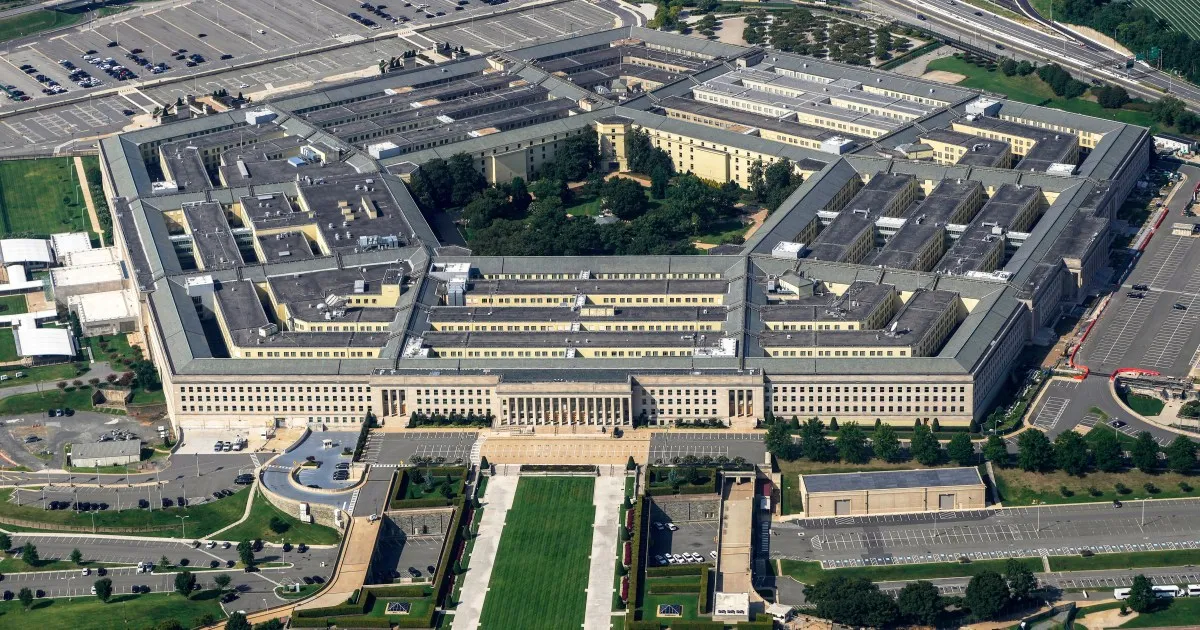
The United States Department of Defense has formally barred journalists from entering its press office, redesignating the space as a Sensitive Compartmented Information Facility. Acting Pentagon Press Secretary Joel Valdez confirmed the restriction on Monday, stating that the decision was necessitated by the presence of speechwriters who routinely handle classified government information and require access to the SIPRNet secure network.
Valdez noted that while the physical office space is now closed to the press, access to the Assistant to the Secretary of War for Public Affairs and the Press Secretary remains available by appointment only. In his statement, Valdez utilised the title “Secretary of War” for Defence Secretary Pete Hegseth, reflecting the terminology preferred by the Trump administration. The change was first reported by The Washington Post.
The restriction marks the latest in a series of measures implemented by the Pentagon to limit media access since President Donald Trump returned to the White House. In March, the Defence Department ended the practice of allowing media outlets to maintain offices within the Pentagon complex. This decision followed a court ruling that sided with The New York Times in a lawsuit challenging new rules for obtaining press credentials.
Further limiting access, the Pentagon introduced a policy requiring journalists to have an official escort while inside the complex. The New York Times is currently challenging this escort requirement in a separate lawsuit filed in May. These administrative changes have drawn sharp criticism from press freedom organisations, who argue they undermine independent oversight of the military.
The National Press Club, the primary professional organisation for journalists in the United States, condemned the latest development. President Mark Schoeff Jr stated that independent reporting on the US military is not optional and warned that pushing journalists further from the institutions they cover reduces transparency and oversight for the American public.
Seth Stern, chief of advocacy at the Freedom of the Press Foundation, also criticised the classification, suggesting the move was a pretext to control narratives. Stern told Al Jazeera that it was difficult to imagine what basis the Pentagon had for calling the space classified, asserting that the only sensitive aspect of the information released by Hegseth’s office was its lack of truth.