Pentagon budget scrutinised by Congress over Iran conflict spending
Congressional oversight mechanisms are being deployed to examine the resources designated for military operations in the region.
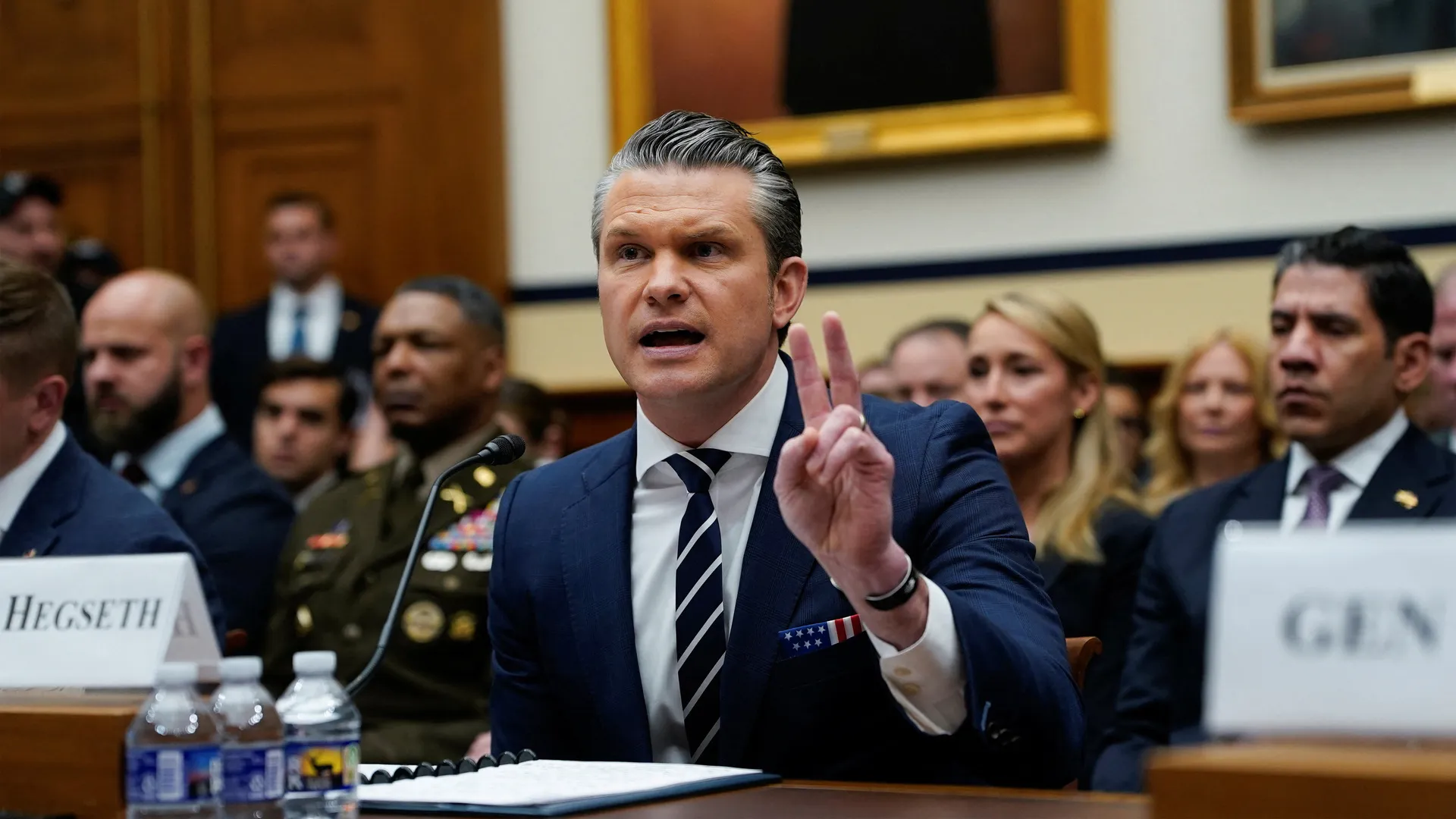
US lawmakers have directed questions toward Defense Secretary Pete Hegseth concerning the financial resources allocated by the Pentagon for the ongoing conflict involving Iran. The scrutiny took place during a formal testimony session before Congress, marking a specific instance of legislative oversight into military expenditure.
The primary focus of the hearing centred on the budget line items designated for the US-Israeli war on Iran. Hegseth appeared before the body to address how the Department of Defense is utilising funds for operations in the region, a move that underscores the intensity of current fiscal monitoring within the administration.
This testimony highlights the active role of Congress in scrutinising military spending during periods of heightened geopolitical tension. By engaging the Defense Secretary on these specific allocations, lawmakers are reinforcing the institutional checks and balances that govern defence policy and resource distribution.
While the hearing confirmed the existence of a dedicated budget for these operations, the specific dollar amounts or granular details of the line items discussed were not detailed in the available reporting. The session served to establish the framework of the inquiry rather than to release a comprehensive financial audit of the conflict's costs.
The nature of the questions posed by the legislators regarding the budget was not fully specified in the source material. However, the very act of summoning the Secretary to address these matters signals a sustained interest in ensuring that the financial backing for the campaign aligns with congressional expectations and strategic objectives.
As the conflict continues, the emphasis remains on the governance of the war effort through financial accountability. The testimony by Hegseth represents a critical juncture where policy and funding intersect, with Congress asserting its authority to evaluate the scope and cost of the military engagement.