Pemex Refining Reliability Falters as Mexico’s Fuel Imports Surge
Mexico’s fuel imports climbed to 700,000 barrels per day in June 2026 as Pemex’s refineries operated at just 58% of installed capacity, exposing the fragility of the nation’s energy independence model.
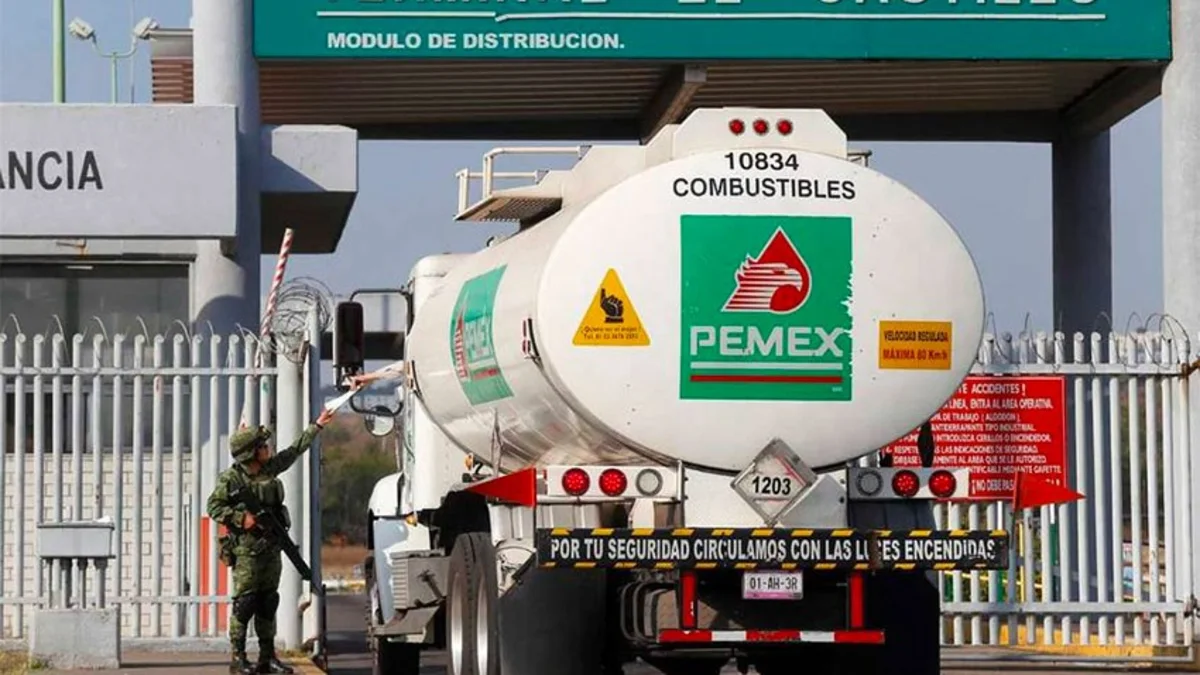
Mexico’s push for fuel self-sufficiency has encountered a persistent structural hurdle: the state oil company, Pemex, has expanded refining capacity faster than it has stabilised operations. Despite significant capital injections and new conversion units, the second quarter of 2026 revealed a sharp decline in domestic processing. Refinery throughput dropped to approximately 1 million barrels per day, utilising only 58% of installed capacity, while clean-product imports surged to 700,000 barrels per day by June.
The reversal of earlier gains highlights the volatility of the current model. From late 2024 through March 2026, runs had climbed to around 1.2 million barrels per day, aided by the ramp-up of the Dos Bocas and Tula refineries. However, crude processing began falling in April, returning to near 1.01 million barrels per day by June. This decline in domestic output coincided with a rise in imports, which moved from roughly 520,000 barrels per day in the first five months of 2026 to 700,000 barrels per day by mid-year.
The timing of this reliance on foreign fuel is financially punitive. Mexico is importing gasoline and diesel from the United States Gulf Coast while crack spreads for these products remain near record highs. In June, the country imported approximately 155,000 barrels per day of diesel and 340,000 barrels per day of gasoline. By mid-August 2026, US diesel cracks had averaged $85 per barrel, exacerbating the cost of these necessary purchases and placing additional strain on Pemex’s balance sheet.
Technical failures at key sites remain the primary driver of this inconsistency. Dos Bocas, the newest refinery in the portfolio, averaged only 144,000 barrels per day in the second quarter, representing a 42% utilisation rate despite reaching nameplate capacity on individual days. An electrical failure in January 2026 at Dos Bocas alone deferred around 150,000 barrels of crude processing. Similar disruptions have occurred at Salina Cruz, while Tula, Minatitlán, and Salamanca have faced isolated power and equipment issues.
Despite these operational setbacks, Pemex has improved the quality of its output. Combined gasoline, diesel, and jet-fuel production reached 699,000 barrels per day in the second quarter of 2026, a 9% increase from the previous year, even as crude processing rose by only 3%. Fuel oil output fell to 191,000 barrels per day, indicating that investment in cokers is successfully shifting the product slate away from low-value residuals.
The financial implications of this inefficiency are severe. Pemex carried $77.5 billion in financial debt at the end of June 2026, with an additional $14.6 billion of supplier debt from 2025 restructured over eight years. The federal government contributed approximately $20.6 billion in capital to Pemex during 2025 to support these obligations. This growing dependence on public funds raises concerns about the sustainability of Mexico’s sovereign credit profile if operational reliability does not improve.
Mexico’s strategy assumes that billions spent on rehabilitation and new capacity will structurally lower fuel imports. While Pemex has demonstrated an ability to improve yields and occasionally push throughput higher, it has yet to prove it can sustain these rates. Until the refineries can operate reliably, the country risks paying twice for its self-sufficiency drive: once for the infrastructure it has built, and again for the imported fuels it must purchase when that infrastructure falters.