Pedro Almodóvar calls Bitter Christmas his riskiest film as he takes aim at streaming giants
The Spanish director argues that audiences are becoming lazy and that Netflix is close to winning the war against theatrical releases.
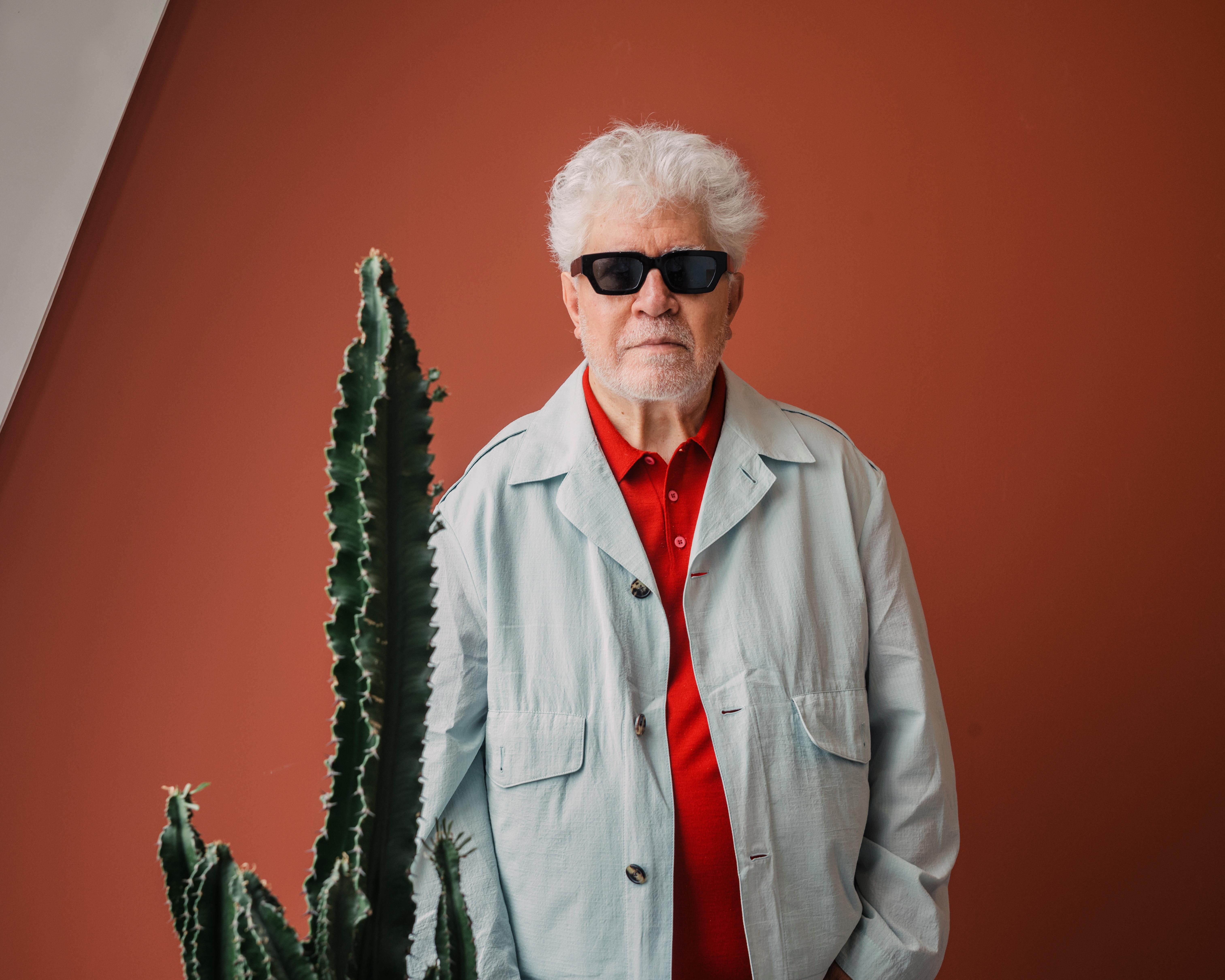
Pedro Almodóvar has released his 24th film, Bitter Christmas, a melodrama that explores the perils of autofiction through a complex meta-narrative. The 76-year-old director, who has won more than 60 awards including two Oscars, described the project as his riskiest work to date. The film features a director writing a movie about another director, a structure Almodóvar believes demands complete attention from viewers. He noted that film audiences are increasingly getting lazy, a sentiment he attributes in part to the rise of streaming services.
In an interview published by The Guardian, Almodóvar criticised Netflix, stating that streaming platforms are very close to winning the war against theatrical releases. He lamented the disappearance of traditional film art elements, such as posters and the fashion worn by stars at premieres. The director argued that these elements contribute to the excitement of cinema, which is currently being eroded by digital distribution. He also referenced the 2017 Cannes jury controversy, where Will Smith defended Netflix titles, describing Smith’s comments as silly and suggesting the actor still sounds like he is in a cult.
Almodóvar extended his commentary to the political sphere, urging the European Union to act as a shield against Donald Trump’s lawless world. He praised Spain’s president for being brave and vocal in opposition to US actions regarding Ukraine and Israel. The director believes the EU must demonstrate that Trump needs to respect European laws if he wishes to engage with the continent. This stance reflects Almodóvar’s broader view on defending cultural and political traditions from external pressure.
The film itself is based on a short story written in 2003, which was published 20 years later in Almodóvar’s collection The Last Dream. In the movie, Bárbara Lennie plays a stricken director named Elsa, while Leonardo Sbaraglia plays Raúl, a filmmaker writing Elsa’s story. Almodóvar revealed that Raúl serves as an alter ego, with at least 80 per cent of the character’s dialogue being something he could say himself. The narrative explores the selfish nature of writers and the potential damage they can inflict on those around them.
Almodóvar also discussed his upcoming literary debut, The Man Who Only Wrote on Airplanes, which is scheduled for publication in Spain this October. He reflected on his career, noting that he is still completely full of desire to keep making films, unlike his hero Luis Buñuel, who wanted to rest when he made his final film. The director admitted to being deaf in one ear since childhood and suffering from a recent stye, yet he shows no signs of slowing down.
The release of Bitter Christmas highlights Almodóvar’s continued relevance in the global film industry. Despite the challenges posed by streaming and political shifts, he remains a central figure in cinema. His ability to blend personal experience with broader cultural commentary ensures that his work continues to resonate with audiences. As he prepares for his novel release, Almodóvar’s influence on both film and literature remains significant.