Pashinyan secures mandate for post-Karabakh realignment in Armenian election
Analysts interpret the result as a decisive shift in Armenian foreign policy, though constitutional hurdles remain for peace agreements with Azerbaijan and Turkey.
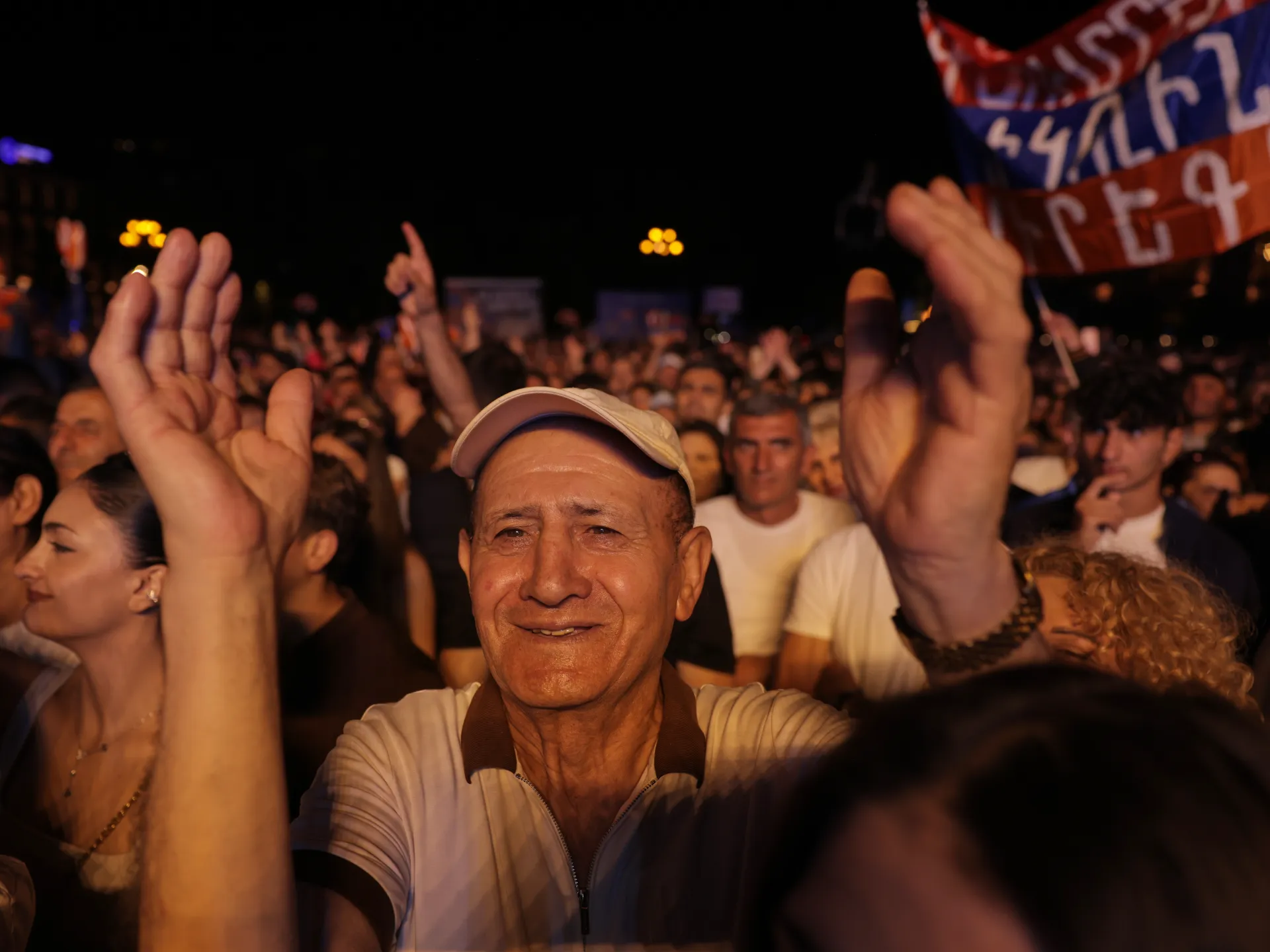
Armenian Prime Minister Nikol Pashinyan’s Civil Contract party has secured a parliamentary majority in Sunday’s election, capturing 49.8 per cent of the vote. The result reinforces Pashinyan’s mandate to pursue peace agreements with Azerbaijan and Turkey, marking a significant departure from the nationalist identity that successive administrations promoted for three decades prior to 2020.
The victory is widely interpreted by analysts as a public rejection of nationalism and a move to reduce Russian influence following Armenia’s 2023 military defeat in Nagorno-Karabakh. Pashinyan, who campaigned with a series of concerts and a drum kit to frame his message around a new vision for Armenia less defined by conflict, has prevailed despite reported Russian meddling in the political process.
The government will hold 64 seats in the new parliament, while the two main opposition parties, Strong Armenia and Armenia Alliance, won 41 seats combined. However, analysts note that significant friction between opposition leaders Samvel Karapetyan and former President Robert Kocharian may hinder their ability to cooperate effectively, presenting a profound obstacle to a unified nationalist front.
Azerbaijan has lifted restrictions on trade and transit with Armenia and restarted border demarcation talks following the August peace agreement signed at the White House. These developments have also accelerated Armenia-Turkiye normalisation talks, driven by regional dynamics rather than solely by Western or Russian pressure.
Despite the strengthened position, Pashinyan lacks the two-thirds parliamentary majority required to easily amend the constitution, a key demand by Azerbaijan to guarantee territorial integrity and prevent future claims on Nagorno-Karabakh. This constitutional hurdle remains a critical sticking point in the peace process, leaving the region in a volatile state of no war, no peace.