Panama Canal to trim daily transits as ‘extreme’ El Niño looms
Operational capacity at the Panama Canal is set to drop from 40 to 32 vessels a day by 15 September, a move that could tighten global shipping schedules and lift costs.
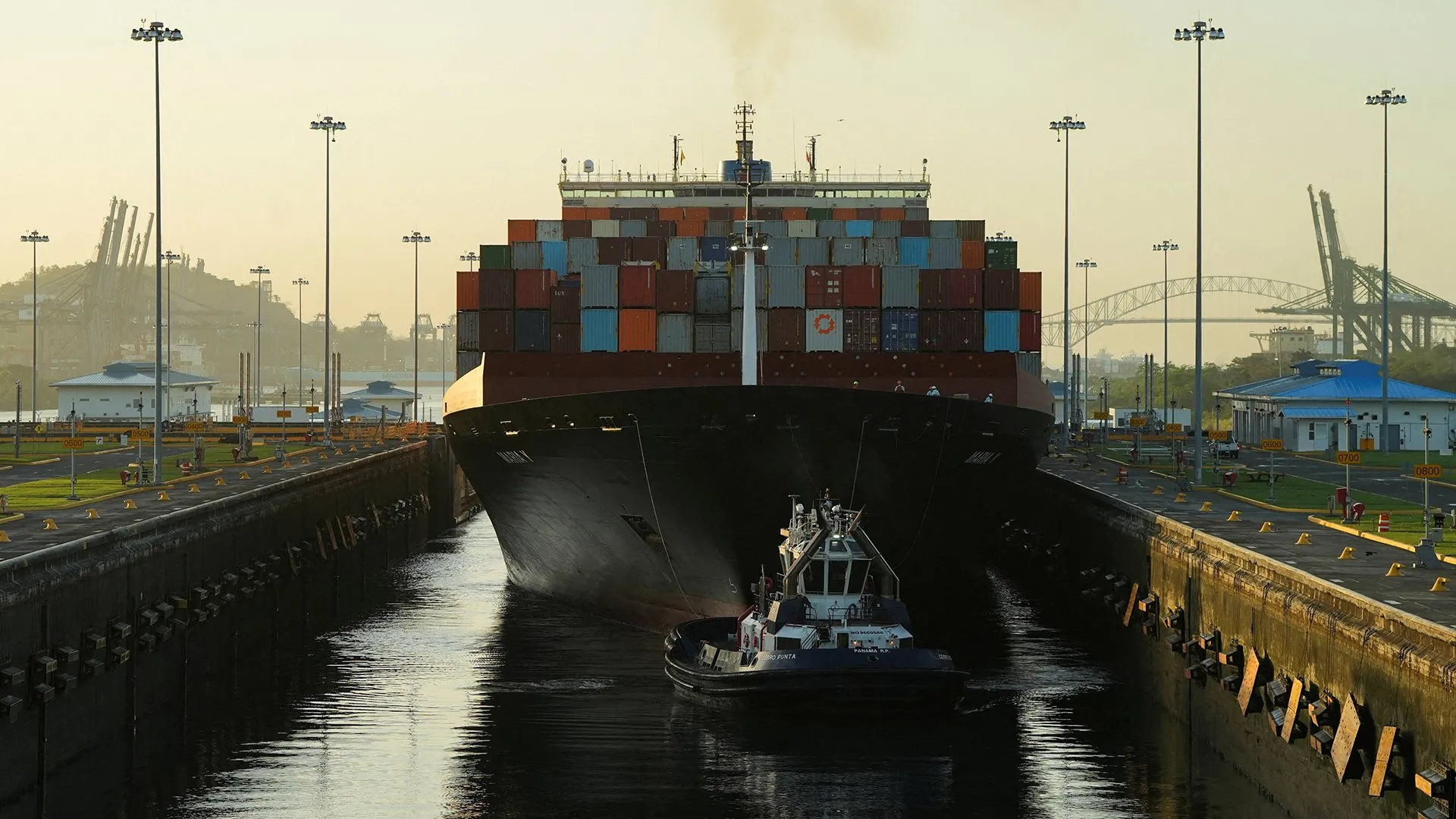
The Panama Canal is preparing to reduce its daily vessel transit capacity from 40 to 32 ships, a change scheduled to take effect by 15 September. The adjustment represents a significant contraction in the waterway’s operational throughput, effectively cutting daily capacity by 20 per cent.
According to Al Jazeera, the primary driver for this reduction is the approach of an “extreme” El Niño weather event. While the specific meteorological mechanisms affecting the canal’s water levels are not detailed in the initial reports, the characterisation of the event as extreme suggests a substantial impact on the infrastructure’s ability to maintain current flow rates.
The reduction in transit slots is expected to have immediate implications for global trade logistics. Shipping lines may face longer wait times for passage, leading to slower overall shipping times. For market participants, this bottleneck poses a risk of increased costs as vessels adjust their schedules and fuel consumption in response to the reduced capacity.
The timing of the cut, effective by mid-September, aligns with the period when El Niño conditions are typically at their peak intensity. This proactive measure by the canal authorities indicates an institutional response to anticipated environmental pressures, prioritising operational safety and water management over maximum throughput.
Analysts will be watching closely to see how the 32-vessel limit affects supply chain reliability in the coming months. The shift from 40 to 32 transits is not merely a statistical change but a structural adjustment that could ripple through global freight markets, particularly if the El Niño conditions persist beyond the initial forecast.
As the new limits approach, stakeholders in the maritime industry will need to recalibrate their routing and scheduling strategies. The interplay between climate variability and critical trade infrastructure remains a focal point for policy and market observers alike.