Panama Canal Authority cuts daily ship quotas as El Niño drought deepens
Daily vessel traffic will fall to 32 ships by mid-September as the operator seeks to preserve water reserves for long-term sustainability.
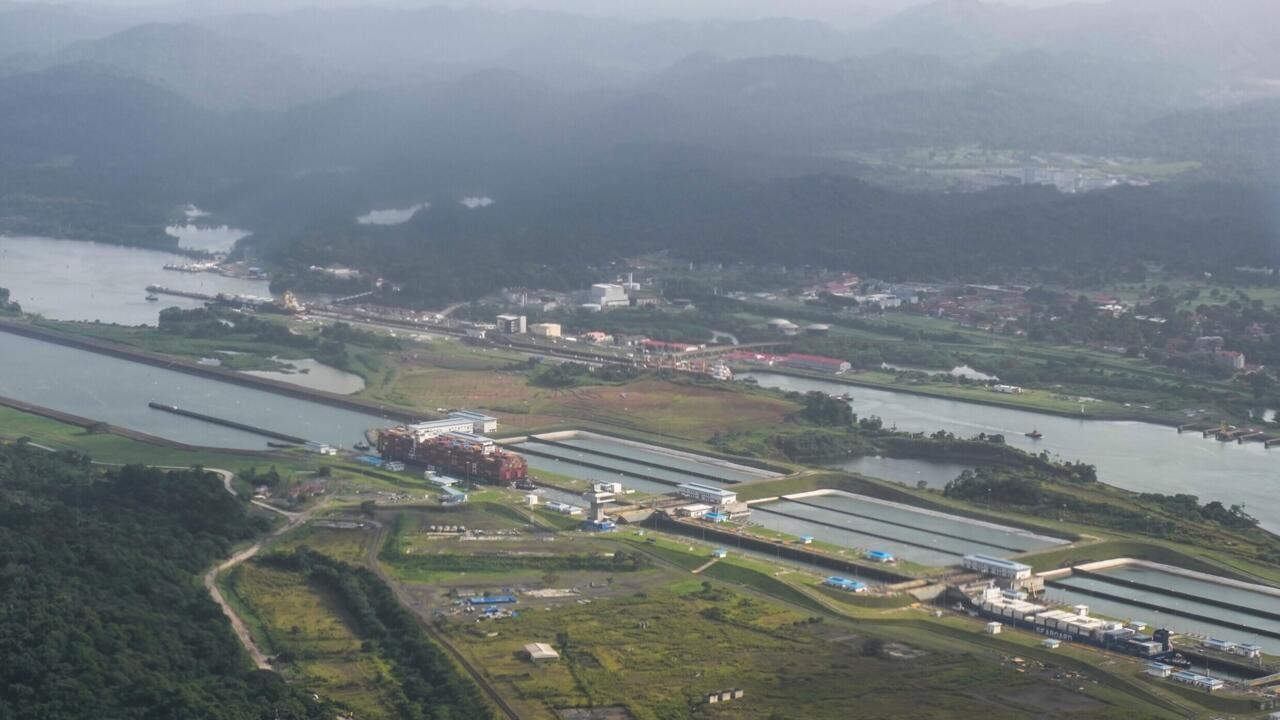
The Panama Canal Authority has announced a phased reduction in daily vessel traffic, citing a severe drought fuelled by the El Niño weather phenomenon. The operator stated that water supplies required to operate the strategic waterway are being depleted, necessitating immediate restrictions on the number of ships allowed through the canal each day.
Beginning on 3 September, the daily limit for crossings will drop from the current 36 ships to 34. A further reduction will take effect on 15 September, lowering the cap to 32 vessels per day. The authority attributed the need for these measures to lower-than-forecast rainfall in the canal’s watershed, which directly impacts the water reserves available for operations.
The canal, which links the Atlantic and Pacific oceans, relies on rainwater collected in two artificial lakes to function. This dependency makes the waterway particularly vulnerable to shifts in regional weather patterns. The El Niño phenomenon, which warms surface temperatures in the central and eastern equatorial Pacific Ocean, is currently driving widespread changes in winds, atmospheric pressure, and rainfall across the region.
The infrastructure is a critical node in global commerce, handling five per cent of global maritime trade and approximately 40 per cent of US container traffic. The authority emphasised that the new restrictions are designed to bolster the "long-term sustainability" of the waterway, ensuring it remains operational despite the ongoing environmental stress.
Prior to these traffic reductions, the canal operator had already implemented other water conservation measures. These included lowering the maximum draft for the largest ships, which reduces the amount of water displaced and required for transit. The current El Niño event is shaping up to be one of the strongest on record, with the phenomenon typically occurring on average every two to seven years.
The impact of the drought is being felt across Central America. On Wednesday, the government of Honduras placed 80 per cent of the country on drought alert, highlighting the broader regional severity of the weather event.