Palestinian communities mark Spain’s World Cup triumph
As Spain secured their second World Cup title by defeating Argentina in extra time, Palestinians across Gaza and the Occupied West Bank held celebrations, highlighting the intersection of global sport and local life in contested territories.
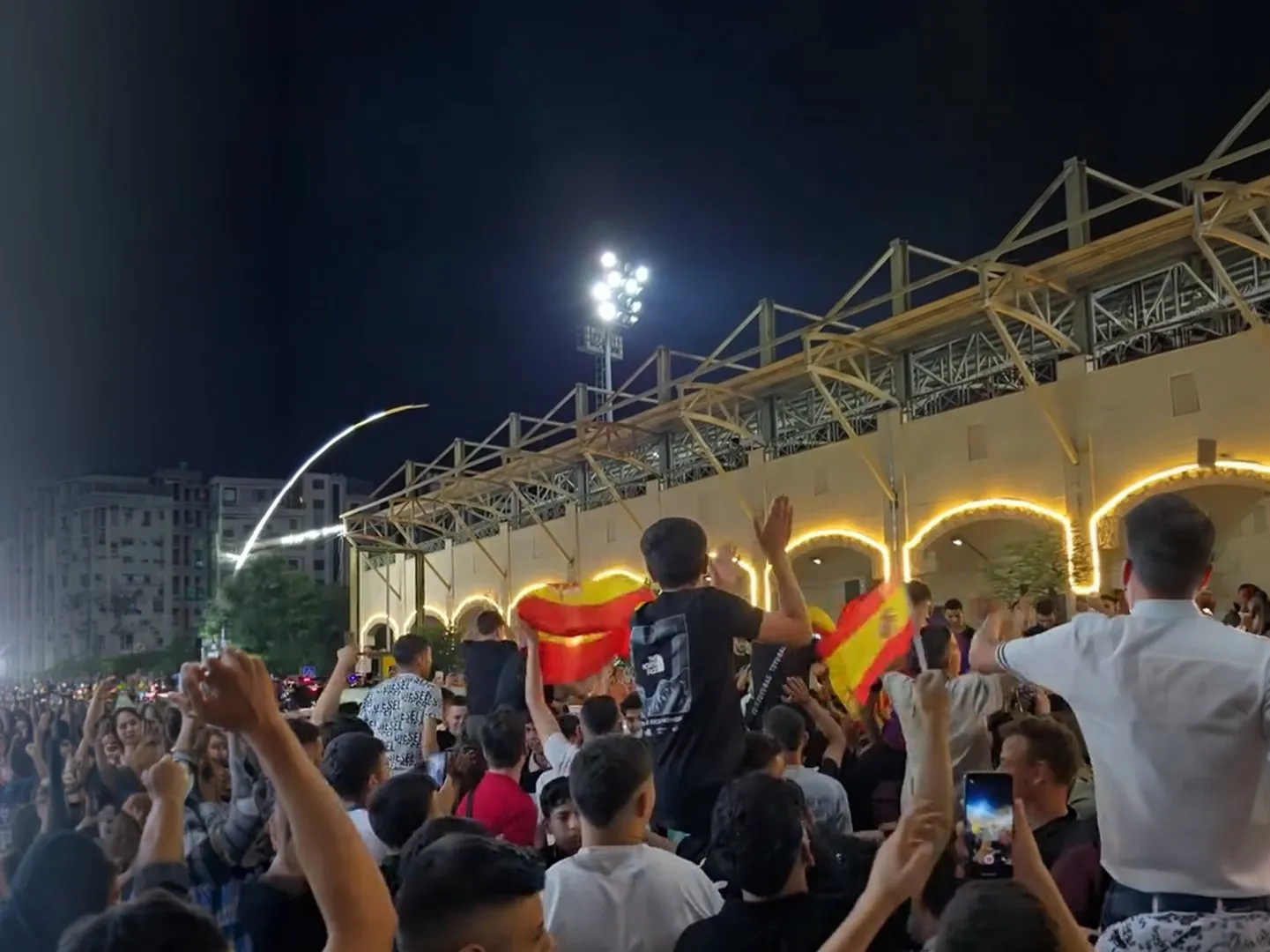
Palestinians across Gaza and the Occupied West Bank have been observed celebrating Spain’s victory in the 2026 FIFA World Cup. The celebrations followed Spain’s triumph in the final match against Argentina, which concluded in extra time at MetLife Stadium in New Jersey on 19 July 2026.
The event marks Spain’s second World Cup championship, four years after their previous victory in 2022. The final match saw the Spanish side overcome the defending champions, Argentina, to claim the title. This victory establishes Spain as the current holders of the World Cup, having navigated a tournament that included a semi-final defeat to France earlier in the competition.
Reports from Al Jazeera Global News indicate that the celebrations were widespread across Palestinian territories. While specific details regarding the scale, organisation, or nature of the gatherings remain unverified, the presence of public festivities suggests a moment of shared civic engagement amidst the complex political landscape of the region.
The broader tournament context saw England finish in third place after a high-scoring victory over France in the third-place playoff in Miami. Kylian Mbappé of France claimed the Golden Boot for the tournament, while Spain’s path to the title included overcoming strong opposition from both France and Argentina.
The timing of these celebrations, occurring immediately following the final whistle in New Jersey, underscores the global reach of the World Cup. For Palestinians in Gaza and the West Bank, the event provided a focal point for public expression, distinct from the usual political narratives that dominate coverage of the region.
As the 2026 World Cup concludes, the focus shifts to the legacy of the tournament and the reactions of communities worldwide. The celebrations in Palestinian territories serve as a reminder of the unifying, albeit temporary, power of international sport to transcend geopolitical boundaries.
The source material does not provide data on the level of participation or any restrictions placed on these gatherings. However, the observation of these events highlights the continued interest in global sporting events among populations in the Occupied West Bank and Gaza.