Palestinian climbing community constrained by settlement expansion and military closures
As the Palestinian Climbing Association gains international recognition, local athletes report significant loss of access to key climbing sites due to settlement outposts and military zoning.
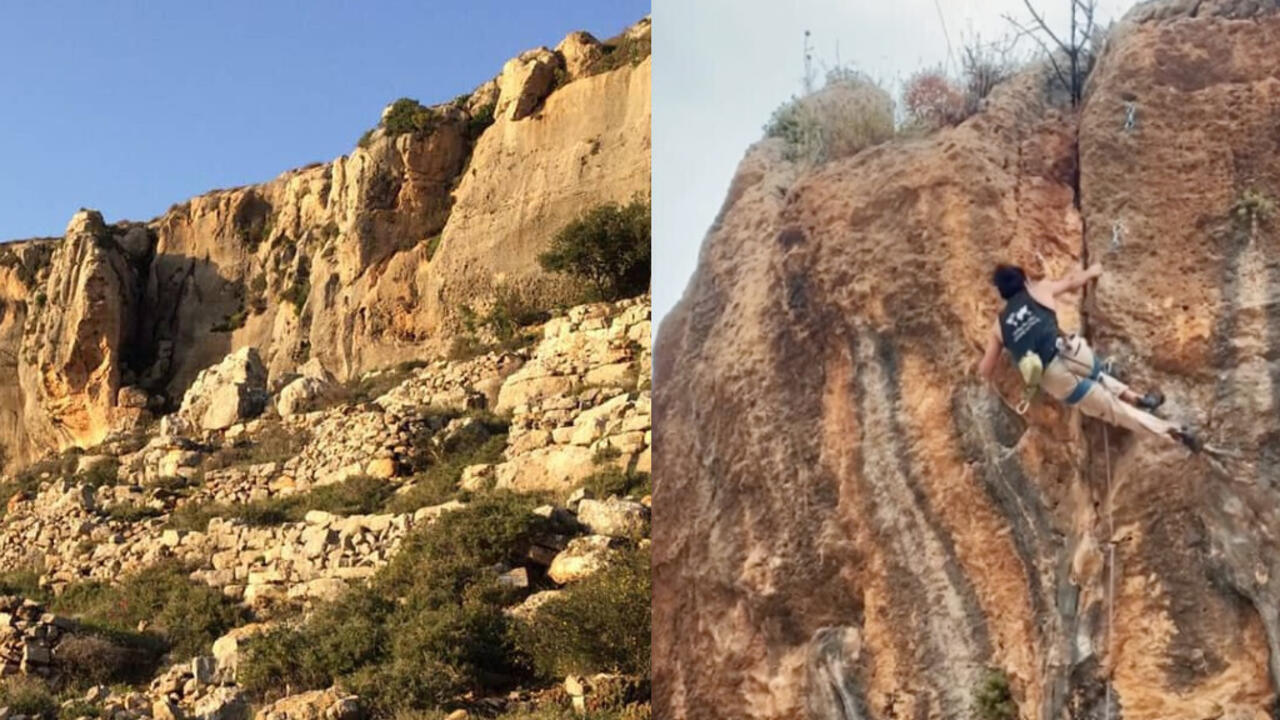
Rock climbing has experienced a surge in popularity across the occupied West Bank, a growth trajectory formalised by the establishment of the Palestinian Climbing Association in 2019 and its subsequent admission to the international federation in 2024. Despite this institutional progress, Palestinian climbers report that the expansion of Israeli settlements and military closures have severely restricted access to traditional climbing sites, fundamentally altering the sport's landscape in the region.
Faris Abu Gosh, a climber from the Kalandia refugee camp, highlighted the disparity between the sport’s growing community and the physical barriers imposed on it. Abu Gosh, who trained as a physical therapist specialising in climbing injuries, noted that Wadi Climbing in Ramallah remains the only bouldering gym available to Palestinian athletes. This indoor facility serves as a primary training ground before athletes attempt outdoor climbs, which are increasingly difficult to access due to security restrictions.
The closure of the Yabrud crag, previously described by Abu Gosh as a favourite spot, illustrates the impact of settlement expansion. He identified the establishment of a new settler outpost equipped with armed settlers as the primary driver for the site's inaccessibility. Following the appearance of the outpost, extremist settlers launched an attack on the nearby village of Silwad, further escalating tensions in the area.
Israeli military forces subsequently expelled Palestinian climbers from Yabrud, designating the area a military closed zone under the pretext of safety. Abu Gosh stated that other crags have faced similar closures, leaving athletes with limited options. The site of Ein Yabrud, located further south, has been developed exclusively for Israeli climbers by the Israeli Climbing Association, effectively removing it from the pool of accessible sites for Palestinian athletes.
While some locations such as Ein Fara remain technically open, access is contingent upon navigating the network of checkpoints and barriers that characterise movement within the West Bank. These logistical hurdles, combined with the loss of key crags, present significant obstacles for a sport that relies on community support and physical accessibility, underscoring the broader constraints faced by Palestinian civil society under occupation.