Pakistan’s demographic surge outpaces development as contraception remains taboo
Strong traditional and religious values continue to hinder family planning efforts, leaving the nation struggling to manage infrastructure and socio-economic growth.
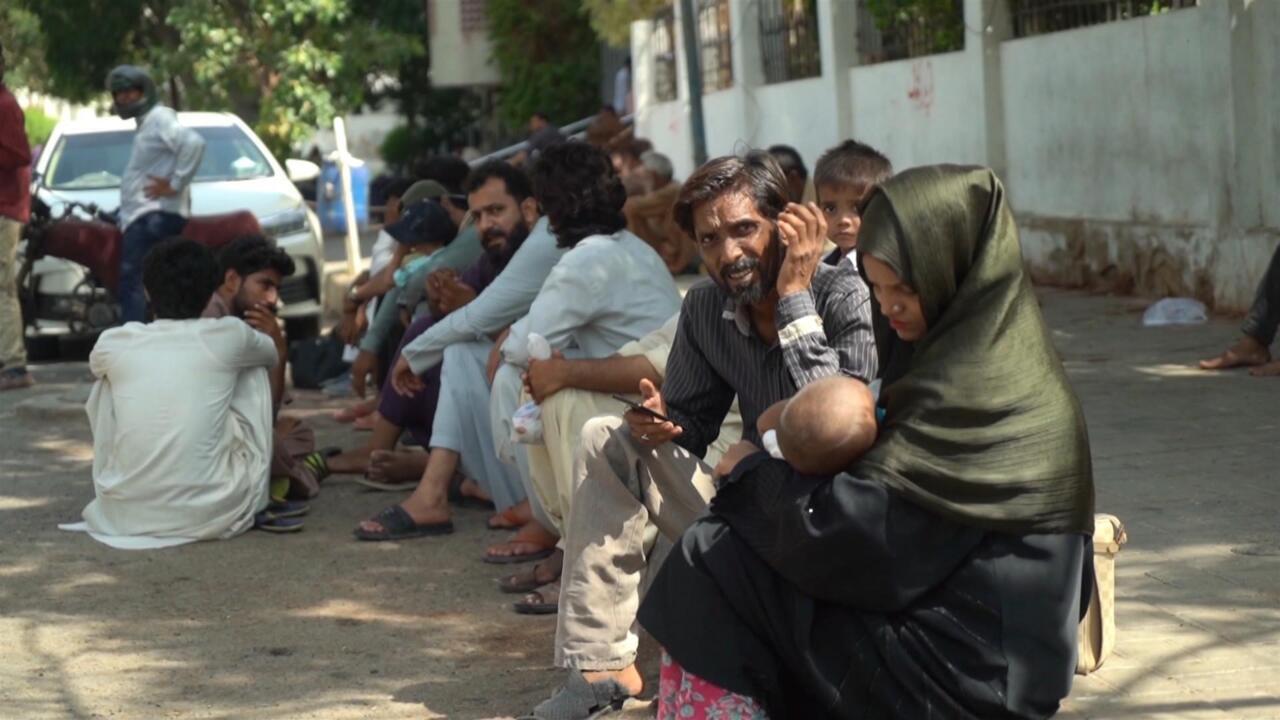
Pakistan is confronting a profound demographic challenge as its population exceeds 258 million, firmly establishing it as the fifth most populous nation globally. According to a report by France 24, the country’s population is projected to surpass 300 million by 2030, a shift that would see it overtake Indonesia to claim the fourth spot worldwide. This rapid expansion is occurring at a pace that significantly outstrips the state’s capacity for necessary socio-economic development and infrastructure expansion.
The scale of this growth presents a complex governance issue, with the country continuing to lag behind regional neighbours India and Bangladesh in several key social sectors. The disparity highlights the difficulty policymakers face in aligning public services and economic planning with such volatile demographic trends. Without effective population management strategies, the strain on existing resources and development frameworks is likely to intensify.
Despite the urgency of the situation, family planning initiatives face substantial cultural headwinds. Contraception remains largely taboo within Pakistani society, a stance driven by strong traditional values and religious perceptions that often frame such measures as forbidden. This social resistance creates a significant barrier to implementing effective population control policies, leaving many citizens without access to or acceptance of reproductive health resources.
Male contraception, in particular, is highlighted as a sensitive and largely unaddressed subject within this broader crisis. The stigma surrounding reproductive health measures extends to men, further complicating efforts to promote shared responsibility in family planning. This cultural reluctance persists even as the demographic pressure mounts, suggesting a deep-seated disconnect between public health needs and societal norms.
The report, produced by Shahzaib Wahlah and Ondine de Gaulle in collaboration with Hameer M, underscores the tension between modern demographic realities and entrenched social structures. As Pakistan moves toward its projected population milestones, the inability to navigate these cultural taboos remains a critical vulnerability in the nation’s long-term stability and development trajectory.