Pakistani mediation intensifies as US-Iran peace talks hang in the balance
With US President Donald Trump warning that negotiations are “borderline” between diplomacy and military strikes, Islamabad steps up efforts to narrow gaps over Iran’s nuclear programme and regional proxy networks.
Pakistani Interior Minister Mohsin Naqvi arrived in Tehran on Wednesday for a second visit in less than a week, aiming to facilitate a peace agreement between the United States and Iran. The visit follows a temporary ceasefire agreed last month and coincides with the submission of a revised 14-point peace plan by Tehran, as reported by semi-official Tasnim news agency. Naqvi is expected to meet with Iranian Foreign Ministry spokesperson Esmaeil Baghaei and other senior officials to narrow diplomatic gaps regarding Iran’s nuclear programme and regional proxy groups.
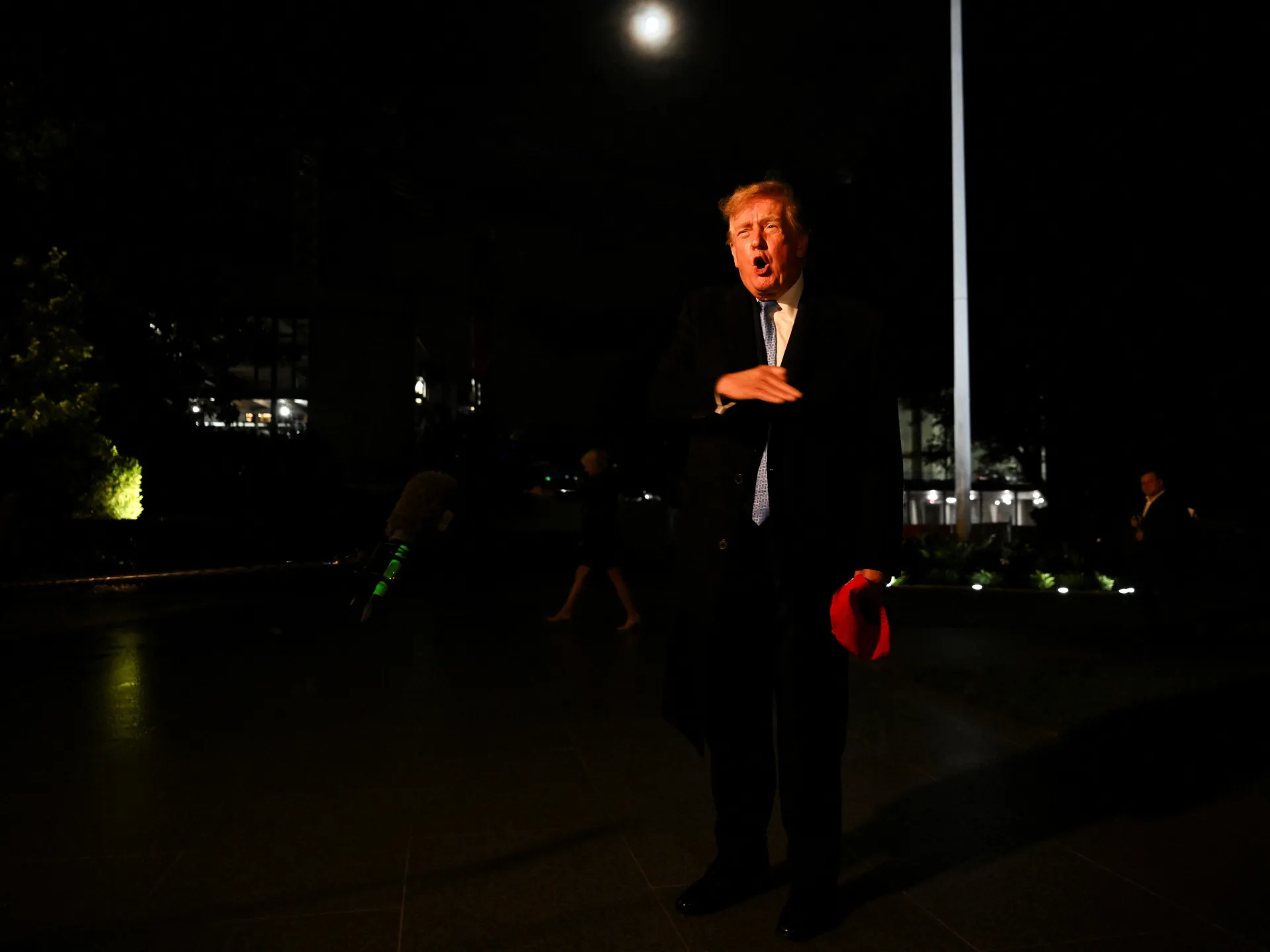
US President Donald Trump warned reporters on Wednesday that the diplomatic window is narrow, stating that negotiations are “borderline” between talks and renewed military strikes. “If we don’t get the right answers, it goes very quickly. We’re all ready to go,” Trump said. The US has previously delayed planned military action at the request of Gulf leaders, but tensions remain high as both sides continue to exchange proposals without reaching a durable settlement.
The core of the impasse lies in Iran’s nuclear capabilities and its support for regional militias. Washington demands an end to Tehran’s support for the “Axis of Resistance,” including the Houthis and Hezbollah, and seeks a 20-year moratorium on uranium enrichment. Iran has resisted these demands, though it may consider handing over its enriched uranium stockpile to a third party rather than the US. The US withdrew from the 2015 Joint Comprehensive Plan of Action in 2018, despite international inspectors confirming Iran’s compliance with previous terms.
Maritime tensions further complicate the diplomatic landscape. The Islamic Revolutionary Guard Corps (IRGC) stated it coordinated the transit of 26 vessels through the Strait of Hormuz in the past 24 hours, despite ongoing US naval blockades. Iran has restricted shipping through the waterway, requiring vessels to negotiate transit with the IRGC and proposing transit tolls, a measure Washington and other nations have rejected. The United Arab Emirates has dismissed Iran’s claims of control over a 22,000 square kilometre area of the strait as unrealistic.
Military posturing continues alongside diplomatic efforts. Iranian state media reported that the IRGC is conducting weapons training for civilians amid fears of renewed conflict. Regional instability was highlighted on Monday when Saudi Arabia intercepted three drones, following a drone attack on the Barakah Nuclear Energy Plant in the UAE. Meanwhile, Pakistani Army Chief Asim Munir is scheduled to visit Iran as soon as Thursday, while Prime Minister Shehbaz Sharif and Munir are expected to visit China on Saturday to sign memoranda of understanding.