Pakistani Kashmir election delayed as unrest deepens in Poonch Division
Residents report critical shortages of fuel and subsidised wheat, while the Joint Awami Action Committee’s ban fuels ongoing civil unrest.
Voting in Pakistan-administered Kashmir’s Poonch Division has been postponed to August 10, following a six-week period of civil unrest that has severely disrupted infrastructure and daily life. The phased legislative assembly election was originally scheduled to begin on July 27, but authorities cited the ongoing disturbance as the reason for the delay in the region bordering India. The unrest was triggered by the banning of the Joint Awami Action Committee (JAAC), a coalition protesting the abolition of 12 legislative assembly seats reserved for Kashmiri refugees.
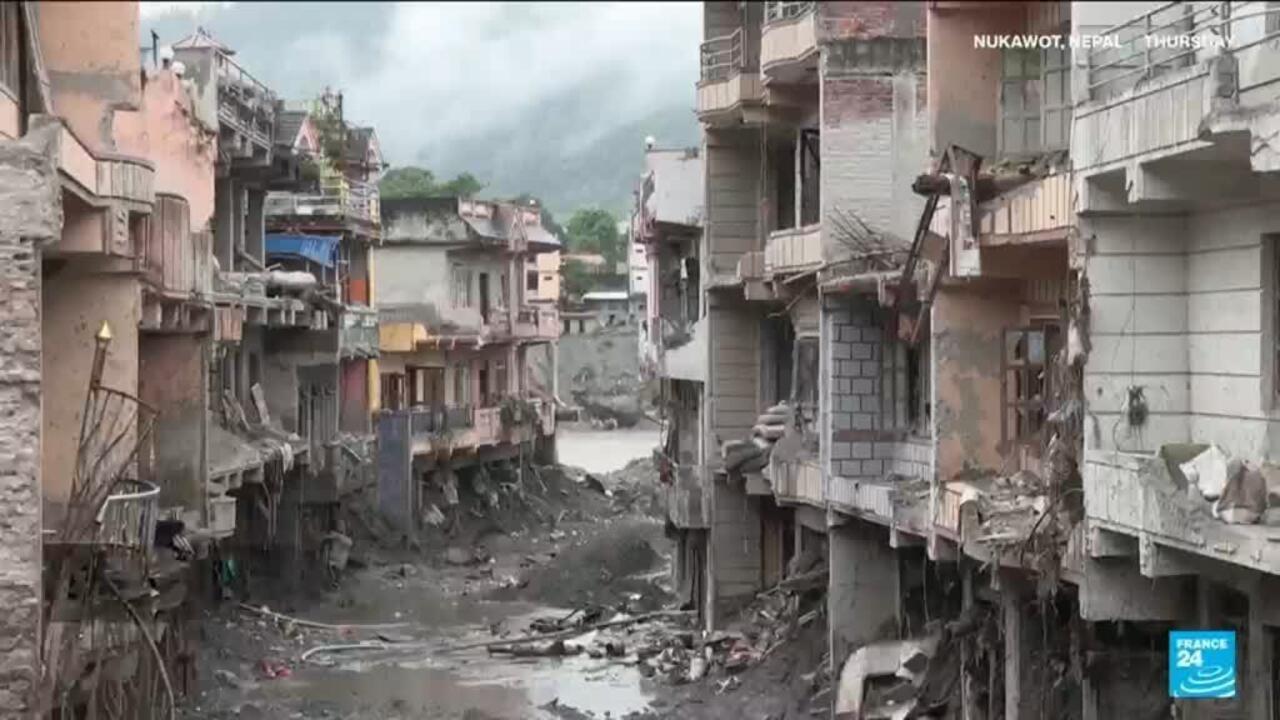
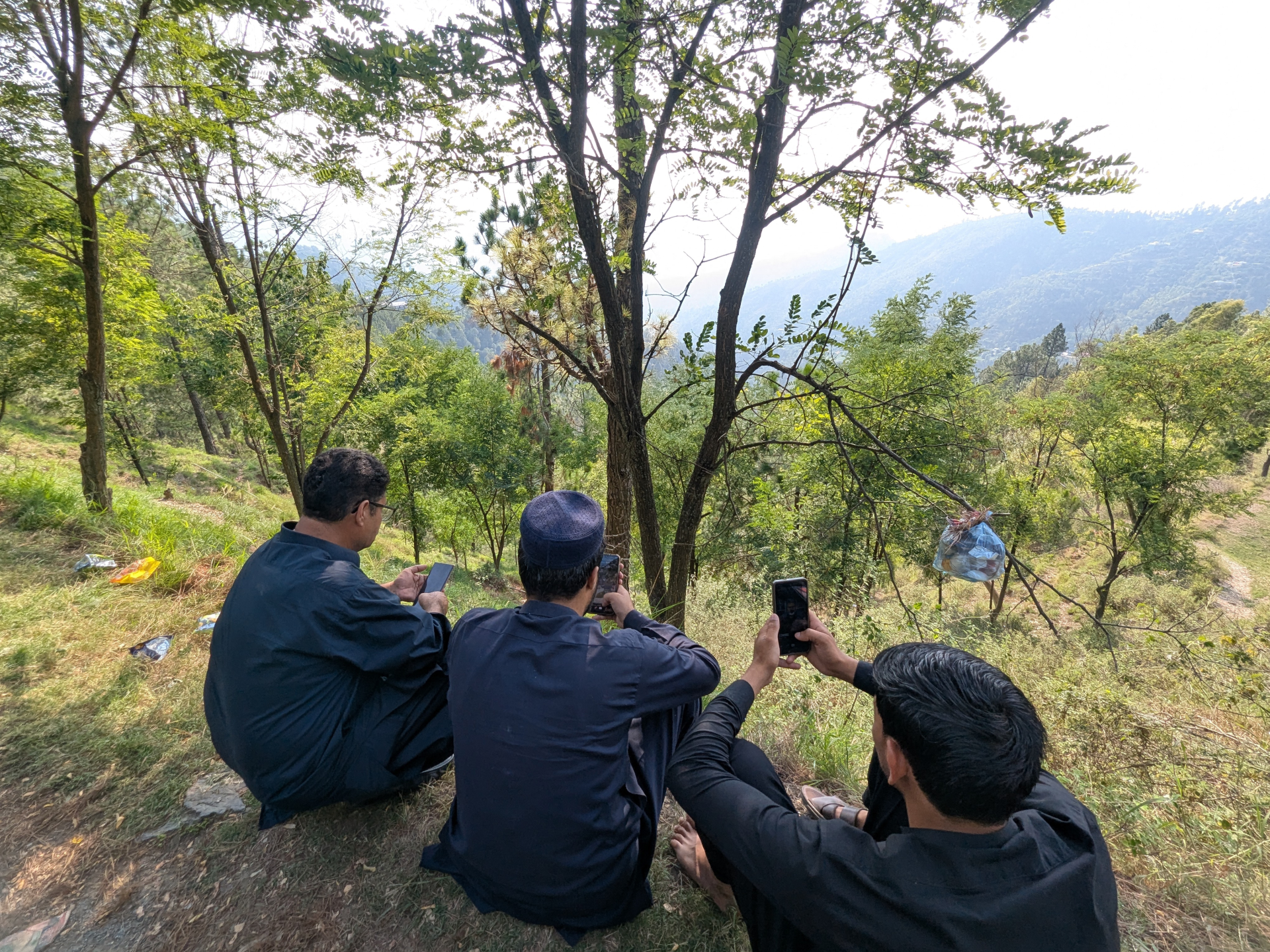
A comprehensive internet and mobile data blackout, suspended since June 5, has compounded the crisis, affecting healthcare access, education, and commerce across the territory. In Poonch Division, residents describe critical shortages of fuel and government-subsidised wheat, with road closures preventing the delivery of essential supplies. While government officials maintain that normalcy prevails in major cities such as Muzaffarabad, residents in Poonch and Sudhnoti report that the shutdown has left them isolated and unable to access basic services.
The humanitarian impact has been stark in rural areas. Zaheer Iqbal, a construction labourer from Keri Kot, recounted a medical emergency in mid-June where his brother required an emergency transfer to Islamabad. With no ambulance service available and fuel scarce due to roadblocks, Iqbal and relatives carried his brother on a makeshift bed to the nearest road, relying on neighbours to siphon petrol from motorcycles to complete the journey. The incident highlights the breakdown of emergency services in areas where connectivity and transport have been severely restricted.
Economic and educational sectors have also suffered significant losses. Malik Niaz Ahmed, president of a local traders’ association in Sudhnoti, stated that the June allocation of government-subsidised wheat was not fulfilled due to road closures, forcing residents to purchase flour at market rates of 6,000 Pakistani rupees per maund, compared to the subsidised rate of 2,200 rupees. In Pallandari, Masood Khan, principal of a postgraduate college, reported that students missed medical college entrance examinations because authorities postponed the remaining papers, potentially wasting an academic year for an entire cohort.
In Muzaffarabad, the capital, the disruption has taken a different toll on commerce and public sentiment. Usman Gul, a lawyer, found his bank accounts and ATMs inoperable due to the internet shutdown, forcing him to borrow cash for wedding expenses. Meanwhile, printer Malik Dawood estimated losses of 15 million to 20 million Pakistani rupees for his business during the typically busy election period. Despite the hardship, support for JAAC has waned among some traders and business owners, who view the refugee seat issue as a constitutional matter to be resolved in parliament rather than through street protests.
Government officials, including Deputy Commissioner Munir Qureshi, insist that internet access is maintained at limited locations such as banks and that road closures are confined to parts of Poonch Division. They assert that movement across Muzaffarabad and Mirpur divisions remains unrestricted and that election campaigning is proceeding as planned. However, this account contrasts sharply with resident reports of a total blackout and restricted movement in the epicentre of the protests.
Public reaction to the upcoming election remains divided. Iqbal stated he intends not to vote, citing brutality by security personnel during clashes. Conversely, Dawood plans to vote, arguing that solutions lie through parliamentary channels. For many residents, the prolonged disruption has overshadowed political considerations, with questions focusing on accountability for the educational and economic damage inflicted during the blackout.