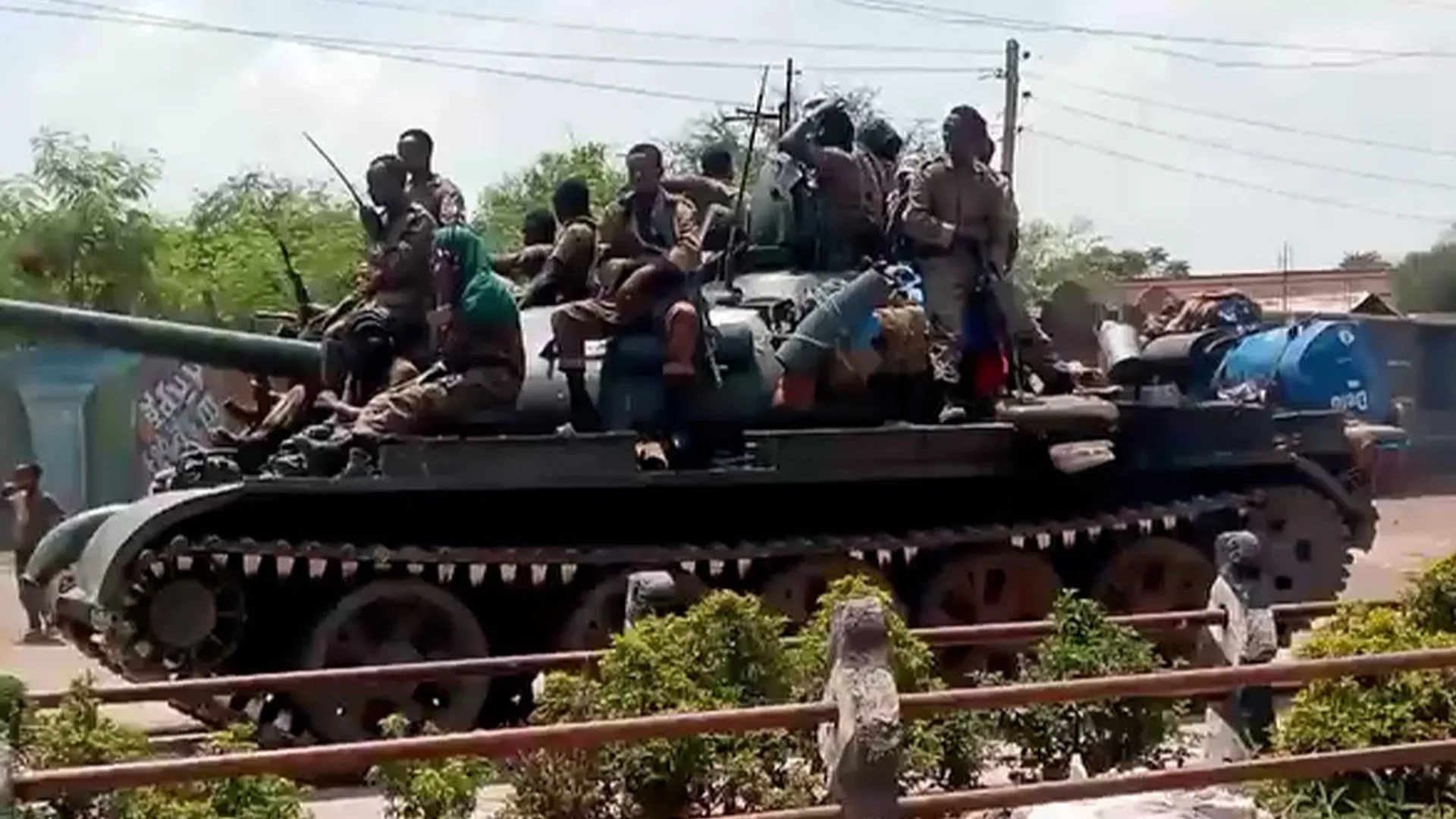
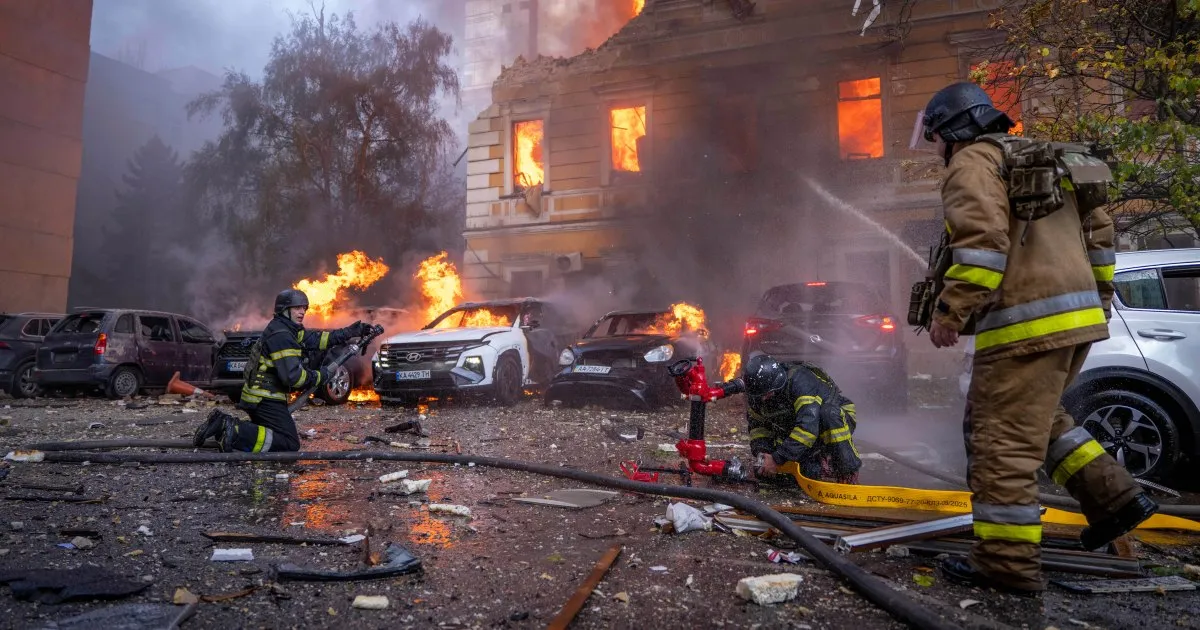
Pakistan summons Afghan diplomat as border tensions defy mediated ceasefire
Islamabad accuses Kabul of backing the Tehrik-i-Taliban Pakistan, while the Afghan government denies the allegations, undermining a March truce brokered by regional powers.
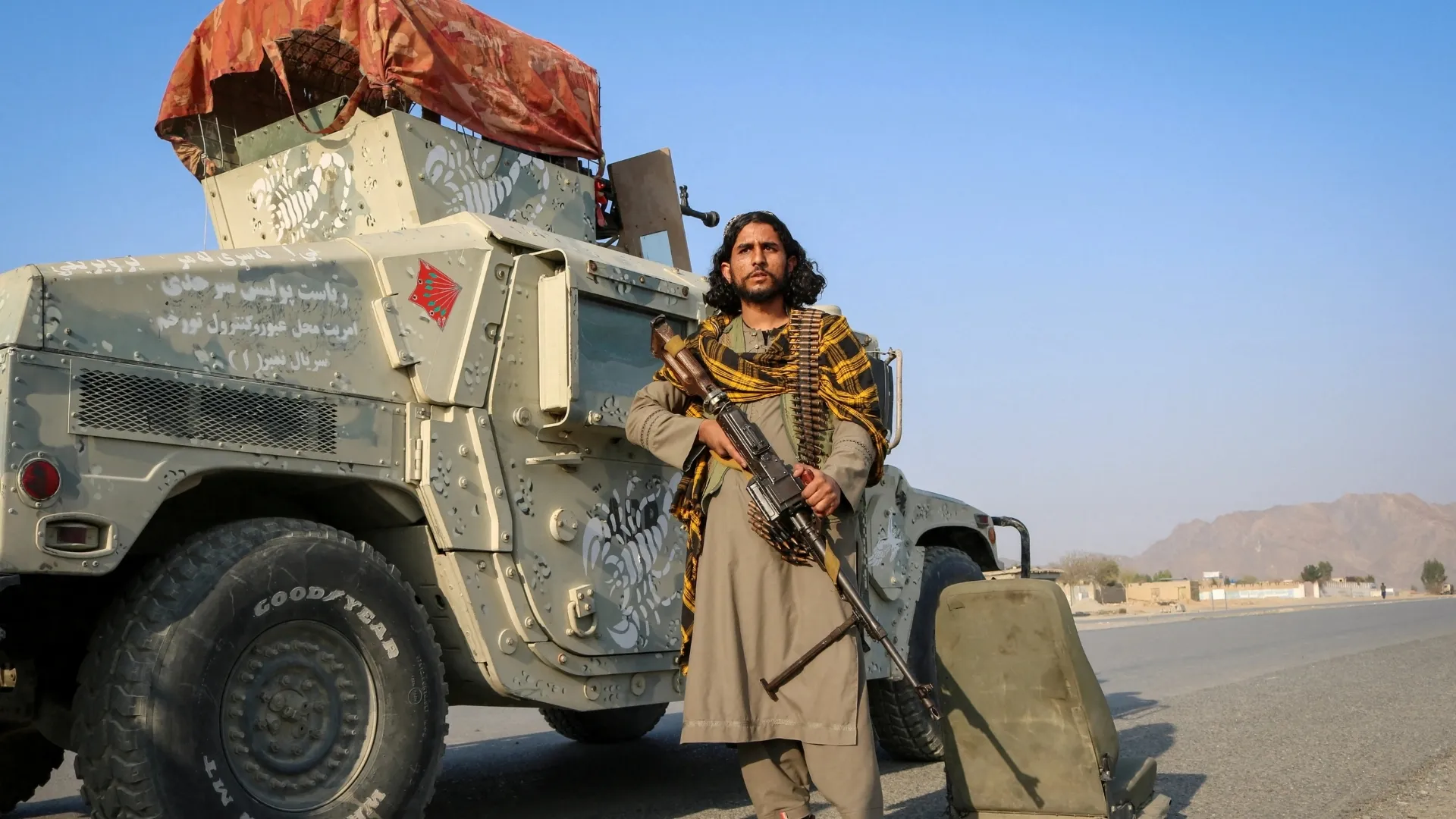
Tensions between Pakistan and Afghanistan have escalated significantly, undermining a ceasefire agreement mediated in March by Saudi Arabia, Qatar, Turkiye, and China. The diplomatic strain intensified on Monday when Pakistan summoned a senior Afghan diplomat, citing recent attacks claimed by the Tehrik-i-Taliban Pakistan (TTP). Islamabad has formally accused the Kabul administration of providing support to the militant group, a charge that the Afghan government has firmly denied.
The current cycle of hostility originated from a major border skirmish in February, which triggered a series of reciprocal attacks between the two neighbours. Although the mediation efforts led to a temporary pause in large-scale fighting, the security situation has remained volatile. The TTP has claimed responsibility for two additional attacks since the initial incident, primarily targeting security forces on both sides of the border.
The conflict has resulted in severe humanitarian consequences, including a Pakistani strike on a drug rehabilitation centre that killed more than 250 people. This incident highlights the escalating severity of the reciprocal targeting that has persisted despite international diplomatic intervention. The violence has reignited concerns about the stability of the region, with experts questioning whether these breaches of the truce will lead to a full resumption of hostilities.
Relations between the two countries have been characterised by persistent strain since the Taliban assumed power in Afghanistan in 2021. The current diplomatic crisis reflects the deep-seated security concerns held by Islamabad regarding militant sanctuaries, while Kabul maintains its denial of involvement. The inability to enforce the ceasefire suggests that underlying political and security grievances remain unresolved.
Analysts and former diplomats, including Masood Khan, Michael Kugelman, and Obaidullah Baheer, have noted the uncertainty surrounding the future trajectory of the conflict. The persistence of violence and the breakdown of diplomatic channels raise significant questions about the possibility of lasting peace between the neighbours. The international community’s mediation efforts have thus far failed to halt the cycle of reciprocal attacks, leaving the region in a precarious state.