Pakistan reopens debate over provinces, local power and governance
Ministers are weighing 12 to 15 provinces or 160 empowered district governments, but no formal decision has been made.
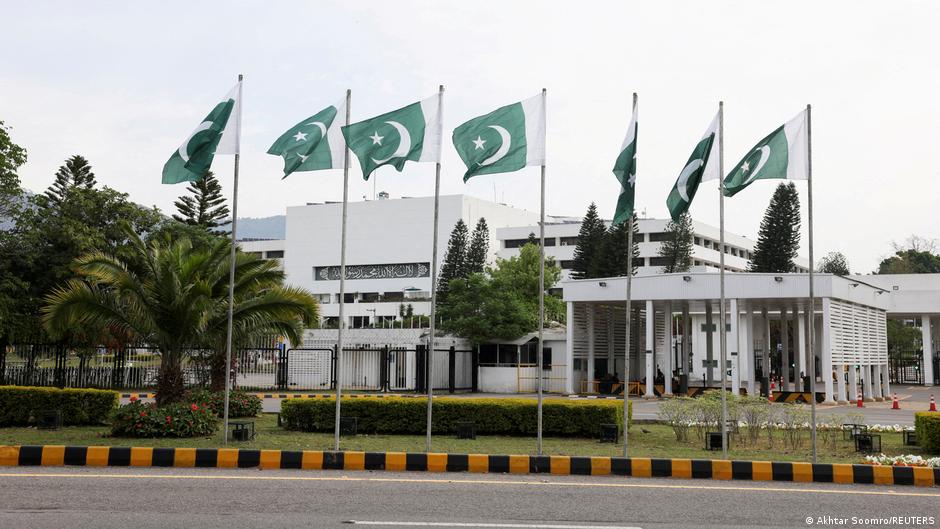
Pakistan’s government has reignited a politically sensitive debate over whether the country’s four-province system can deliver more responsive government and better public services.
Planning Minister Ahsan Iqbal has called for a national debate on administrative reform, proposing either 12 to 15 provinces or 160 empowered district governments. Interior Minister Mohsin Naqvi has said any new administrative units should have public support, while Defence Minister Khawaja Asif has backed greater decentralisation and devolution to local government.
The proposals would replace or significantly reshape the existing system of Punjab, Sindh, Khyber Pakhtunkhwa and Balochistan. Supporters argue the provinces are too large and centralised to deliver adequate improvements in health, education and other services.
But experts cited by Deutsche Welle questioned whether creating smaller provinces would resolve the underlying problem. They argued that empowered local governments within existing provincial boundaries could bring decision-making, accountability and service delivery closer to citizens.
Redrawing boundaries could also alter political representation and the distribution of federal resources, while creating new governments, assemblies and bureaucracies. It could reopen disputes over taxation, water, jobs and access to natural resources, with critics warning of financial and institutional costs as well as ethnic tensions.
Resistance is already evident in Sindh, where the provincial assembly has opposed creating new provinces or administrative units. Disagreements within the ruling coalition over the reform’s scope and timing remain unresolved, and the government has taken no formal decision.