Pakistan rejects allegations of sheltering Iranian aircraft as US-Iran truce enters critical phase
Foreign Ministry asserts aircraft presence was for diplomatic logistics; President Trump describes ceasefire as on "massive life support"
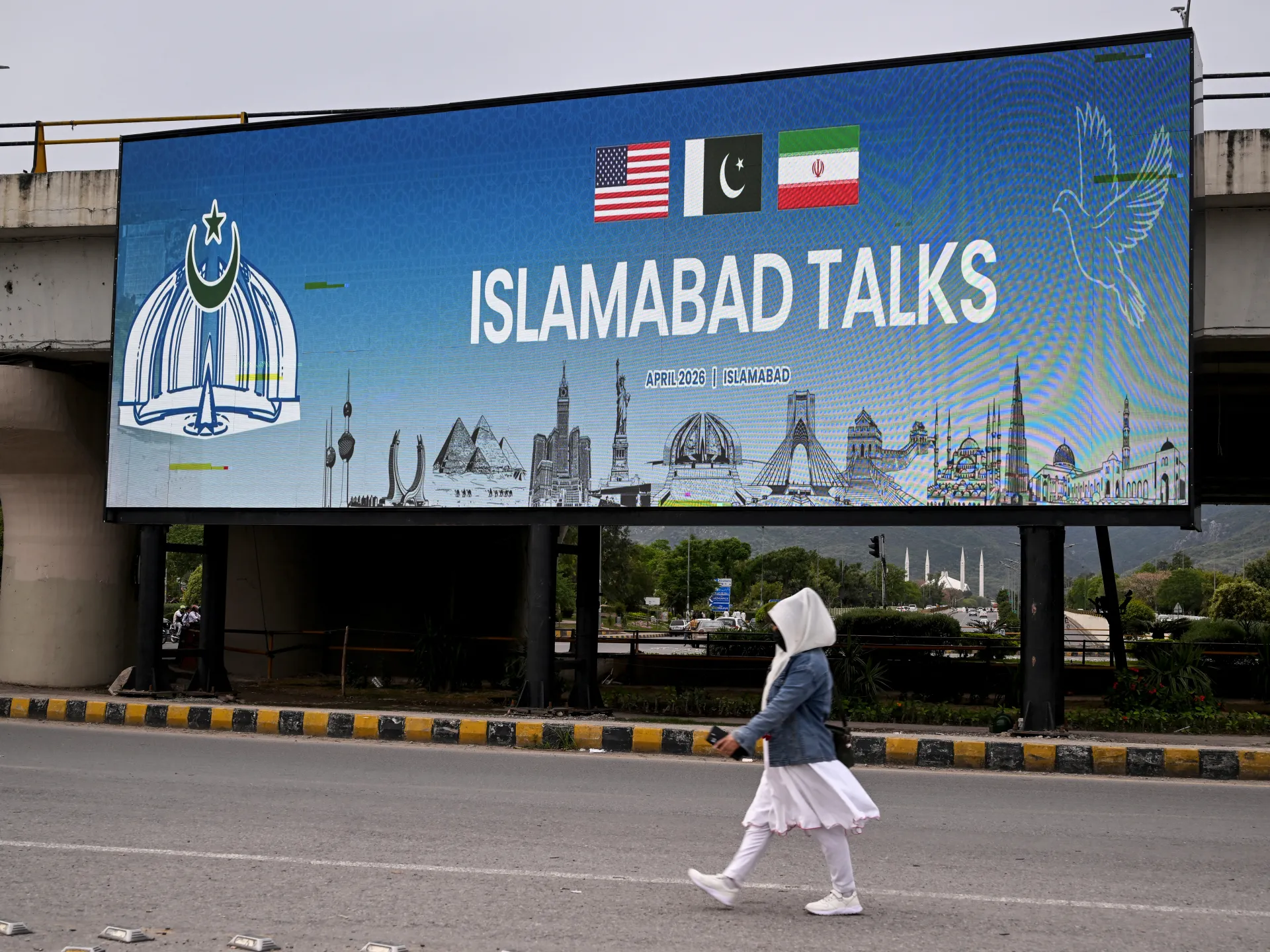
Pakistan has firmly rejected allegations that it provided sanctuary to Iranian military aircraft, stating their presence at the Nur Khan air base near Rawalpindi was strictly for diplomatic logistics linked to talks held on April 11. The Ministry of Foreign Affairs issued a statement on Tuesday to counter reports suggesting the planes were moved to shield them from potential United States strikes, insisting the assertion was misleading and sensationalised.
While Islamabad maintains its position, the fragile ceasefire brokered between Washington and Tehran appears increasingly at risk. US President Donald Trump characterised the month-old truce as being on "massive life support" after dismissing Iran's latest peace proposal as "a piece of garbage" that he had not even finished reading. This sharp rebuke follows a report by CBS News indicating that Iran had moved several military aircraft, including an RC-130 reconnaissance plane, to the Pakistan Air Force Base after the April 8 ceasefire.
The controversy has prompted calls for a "complete reevaluation" of Pakistan's mediator role from US Senator Lindsey Graham, who expressed he would not be shocked if the reports regarding the aircraft proved accurate. However, a Pakistani official speaking to Al Jazeera argued that Islamabad has remained as direct with both parties as any neutral arbiter could be, emphasising that the objective is to resolve the complex conflict rather than earning political points.
Despite the diplomatic friction, analysts suggest Pakistan's position as a dependable facilitator remains intact because both Tehran and Washington continue to rely on Islamabad for mediation. Syed Ali Zia Jaffery, deputy director at the Centre for Security, Strategy and Policy Research at the University of Lahore, noted that the fact both capitals utilise Pakistan suggests the allegations will have limited impact on the country's standing as a multiparty war facilitator.
The immediate trigger for these heightened tensions was Washington's rejection of an Iranian peace proposal delivered through Pakistan on Sunday. Tehran's terms included war reparations, full sovereignty over the Strait of Hormuz, an end to sanctions, and the release of frozen assets, while insisting nuclear negotiations be deferred. President Trump described the proposal as "TOTALLY UNACCEPTABLE" and noted that the ceasefire was in a situation where a doctor would say a loved one has only a one per cent chance of living.
With direct negotiations stalled since April 12, the focus has shifted to potential instability in the Strait of Hormuz. Analysts warn that while immediate kinetic engagement is not expected, there is a high risk of harassment and interdiction against assets in the strait. As the crisis deepens, Pakistan continues to act as an intermediary, carrying proposals between the two sides which have not met directly since the talks ended without an agreement.