Pakistan regulator seeks Islamic clarity on crypto distinction
The Virtual Assets Regulatory Authority is pursuing a category-by-category assessment of digital assets to align with Shariah principles, a move critical to Islamabad’s licensing framework and cross-border payment ambitions.
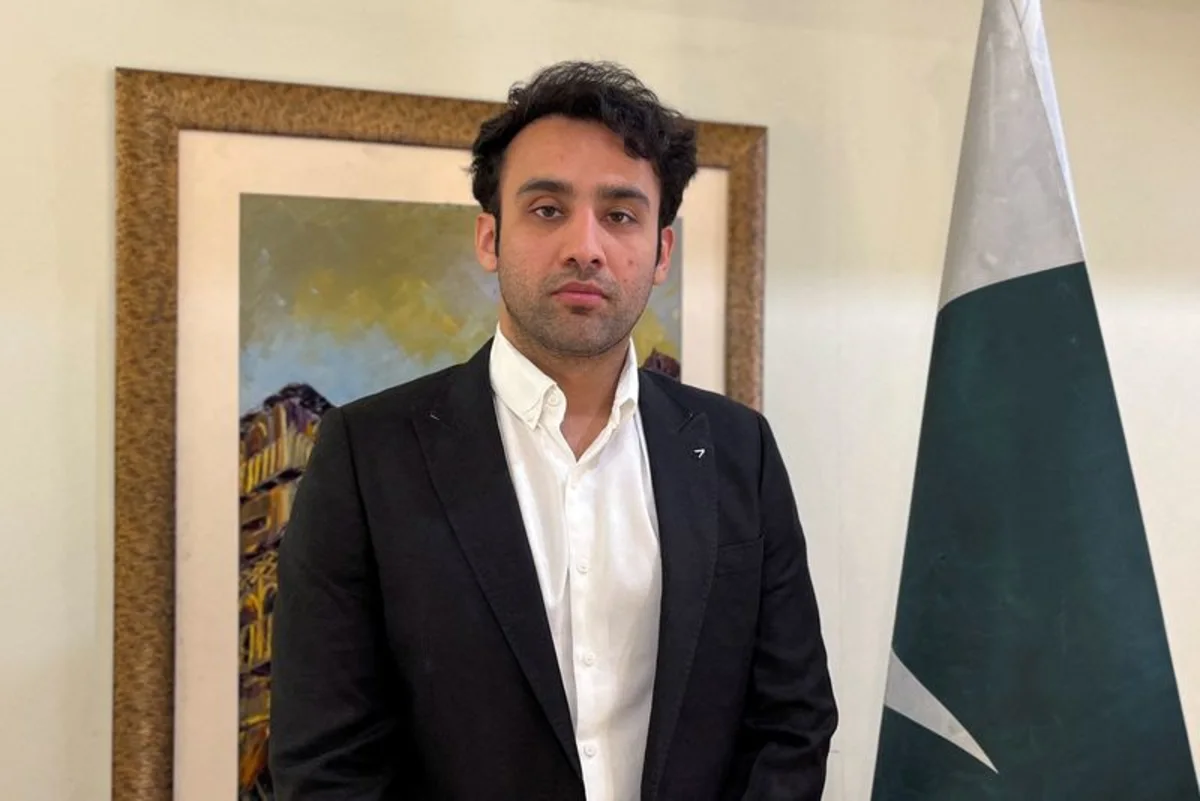
Pakistan’s Virtual Assets Regulatory Authority (PVARA) has formally requested the Jamia Darul Uloom Karachi seminary to distinguish between speculative cryptocurrencies and asset-backed digital tokens. Bilal bin Saqib, chairman of PVARA, confirmed the regulator is seeking clarification on whether specific digital assets constitute recognised wealth under Shariah law. This inquiry follows a fatwa issued by the seminary in June, which declared cryptocurrency impermissible as it does not meet the criteria for valid payment or wealth.
Saqib told Reuters that the regulator intends to assess digital assets by category rather than treating them as a single class. He argued that blockchain technology itself is a record-keeping and verification tool, not a financial asset. Consequently, instruments such as blockchain-recorded sukuk or gold-backed tokens, which carry enforceable claims on tangible and redeemable items, may be permissible. Conversely, purely speculative tokens with no underlying asset remain problematic, and the regulator acknowledged that scholars’ concerns regarding these assets must be taken seriously.
The clarification is pivotal as Pakistan advances its licensing framework for crypto exchanges, with licences expected to be issued in the coming months. Islamabad has moved rapidly to formalise demand for virtual assets, exploring tokenised state assets and integrating crypto into its diplomatic strategy. This includes a deal with an affiliate of World Liberty Financial, the crypto business linked to President Donald Trump’s family, to explore using its USD1 stablecoin for cross-border payments, a initiative Islamabad describes as "crypto diplomacy."
The June fatwa, issued in response to a query regarding the use of cryptocurrency to pay for books and online courses, has cast doubt on the government’s embrace of the sector. The ruling was issued by a group of religious scholars at the seminary, including Mufti Muhammad Taqi Usmani, a leading authority in Islamic finance. Neither the seminary nor Usmani responded to requests for comment regarding the regulator’s new inquiry.
Waqas Ghani, head of research at JS Global Capital, noted that while the fatwa could hinder broader, bank-led crypto adoption beyond Pakistan’s urban trading community, current trading volumes have remained unaffected. As Pakistan, home to more than 240 million people, seeks to lead in Shariah-compliant digital finance, Saqib emphasised that this leadership must be built in close consultation with religious scholars.