India permits Pakistani athletes for multilateral events while maintaining bilateral sports ban
The sport ministry cites global sporting standards and the 2030 Commonwealth Games as drivers for the policy shift, though political tensions persist.
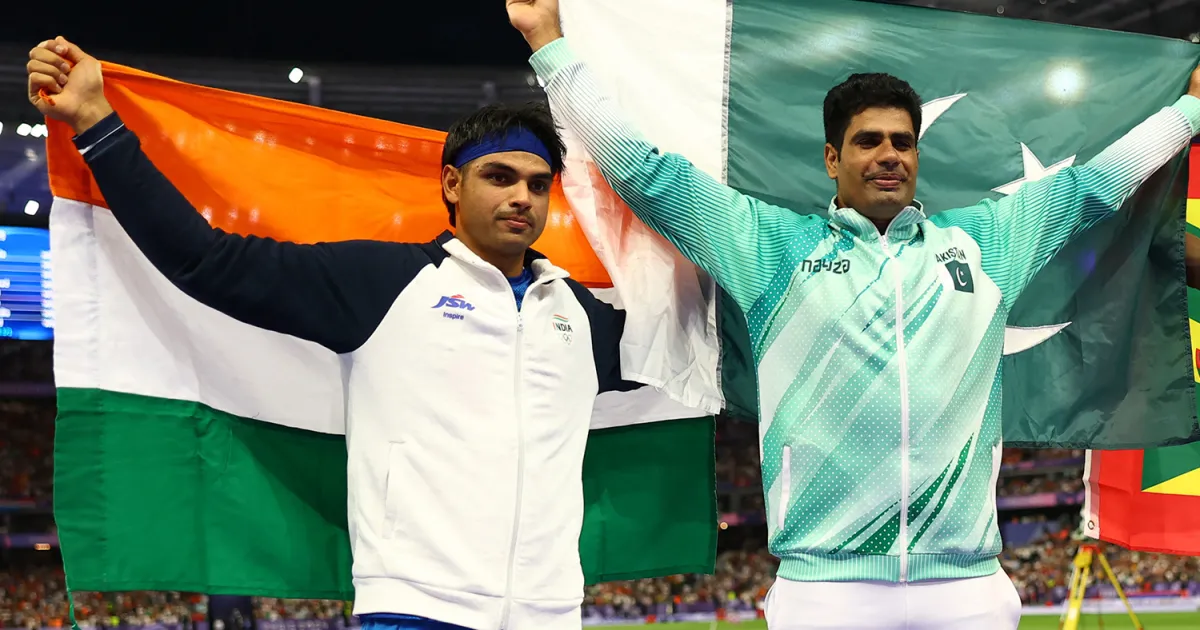
India's sport ministry has announced a modification to its engagement protocols with Pakistan, permitting athletes and teams from the nuclear-armed neighbour to participate in multilateral sporting events hosted within India. This decision introduces a simplified visa process for sportspersons and officials, alongside multi-entry visas for office bearers of international sport governing bodies. The ministry issued a memorandum stating that these arrangements are guided by the practices of international sports bodies and the interests of Indian athletes, rather than a relaxation of broader diplomatic constraints.
Despite the logistical opening for joint participation in global tournaments, the government has drawn a firm line regarding direct competition. The ministry explicitly stated that bilateral sporting events remain prohibited, meaning Indian teams will not compete in Pakistan, nor will Pakistani teams be allowed to play in India. This restriction maintains the freeze on bilateral cricket that has existed since the 2012-13 series, ensuring that while athletes may travel for international fixtures, the two nations will not engage in direct matches on each other's soil.
The policy shift appears driven by India's strategic positioning as a credible venue for future major sporting events. Officials highlighted the country's upcoming role as a host of the 2030 Commonwealth Games in Ahmedabad, as well as bids for the 2036 Olympics and the 2038 Asian Games in the same city. The ministry noted that accommodating international and multilateral events is essential to align with global sporting practices and to facilitate the nation's emergence as a premier destination for such gatherings.
This administrative adjustment occurs against a backdrop of unresolved geopolitical friction. India and Pakistan engaged in a military conflict last year that nearly escalated into a full-scale war, following a five-day conflict in 2025 that concluded with a US-mediated ceasefire announced by President Donald Trump. Although the immediate fighting has ceased, political tensions remain high, with Pakistan People's Party leaders continuing to accuse India of funding terror groups.
The recent sporting landscape reflects this complex reality. Earlier this year, during the T20 Cricket World Cup co-hosted by India, Pakistan played all their matches in Sri Lanka, including a group game against India at a neutral venue. The new guidelines allow for a return to multilateral formats within India but do not alter the status of bilateral relations. It remains unclear whether this policy shift represents a gradual thaw in broader diplomatic ties or is strictly limited to sporting logistics.