Pakistan offers to host Iran-US peace talks as ceasefire deal nears
Prime Minister Shehbaz Sharif says Islamabad hopes to facilitate negotiations 'very soon' as reports emerge of a draft agreement to reopen the Strait of Hormuz.
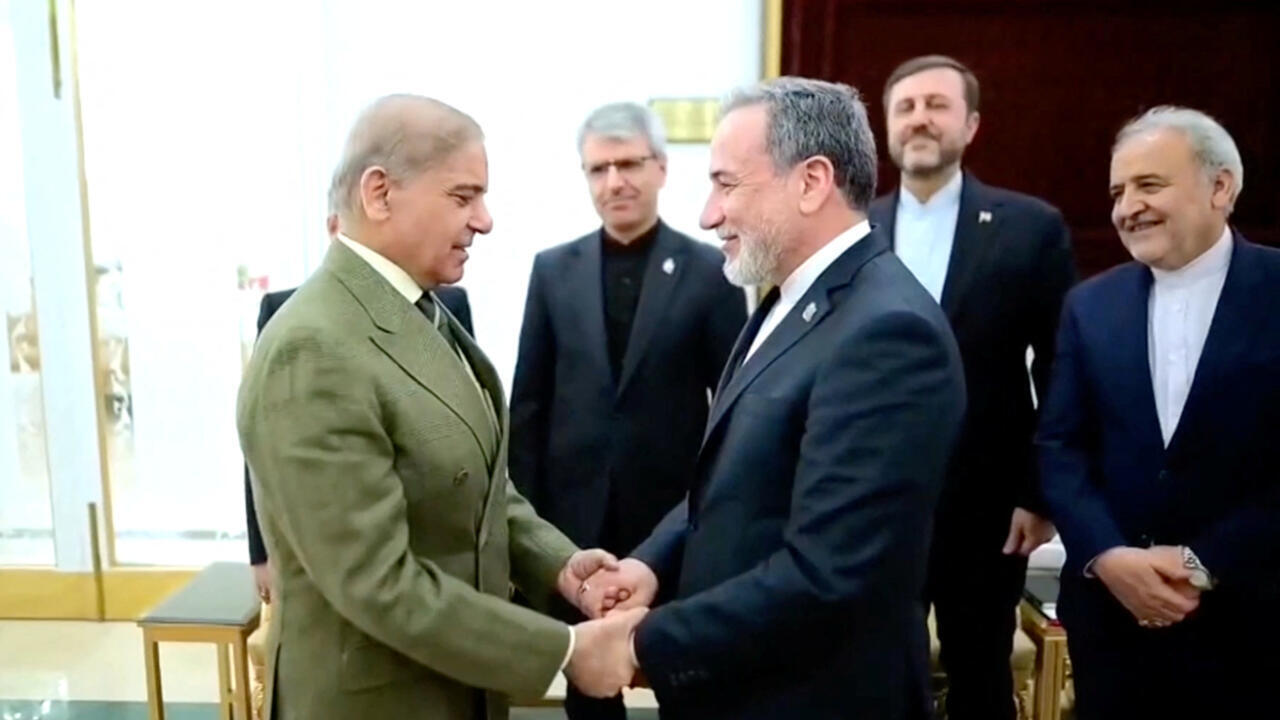
Pakistan Prime Minister Shehbaz Sharif has offered to host the next round of peace talks between Iran and the United States, stating that Islamabad hopes to facilitate the negotiations 'very soon'. The offer positions Pakistan at the centre of mediation efforts as diplomatic activity intensifies regarding a potential ceasefire extension and the reopening of the strategically vital Strait of Hormuz.
Sharif posted on X that Pakistan would continue its peace efforts with "utmost sincerity", building on the country's established role in bridging Washington and Tehran. This diplomatic initiative coincides with US President Donald Trump’s assertion on social media that a memorandum of understanding is 'largely negotiated' and could soon lead to the reopening of the strait. However, the Iranian Fars news agency has disputed Trump's claim that the agreement is finalised.
Reports from Axios, citing US officials, indicate that the United States and Iran are close to finalising a 60-day ceasefire extension. The proposed deal involves reopening the Strait of Hormuz without tolls, with Iran agreeing to clear mines it deployed in the waterway to allow ships to pass freely. In exchange, the US would lift its blockade on Iranian ports and issue sanctions waivers to permit Iran to sell oil freely.
The draft agreement also outlines commitments from Iran to never pursue nuclear weapons and to negotiate the suspension of its uranium enrichment program, alongside the removal of stockpiles of highly enriched uranium. While Trump stated on CBS that the two nations are 'getting a lot closer' to an agreement, the Iranian Foreign Ministry has specified that nuclear weapon-related issues remain key hurdles in the negotiations.
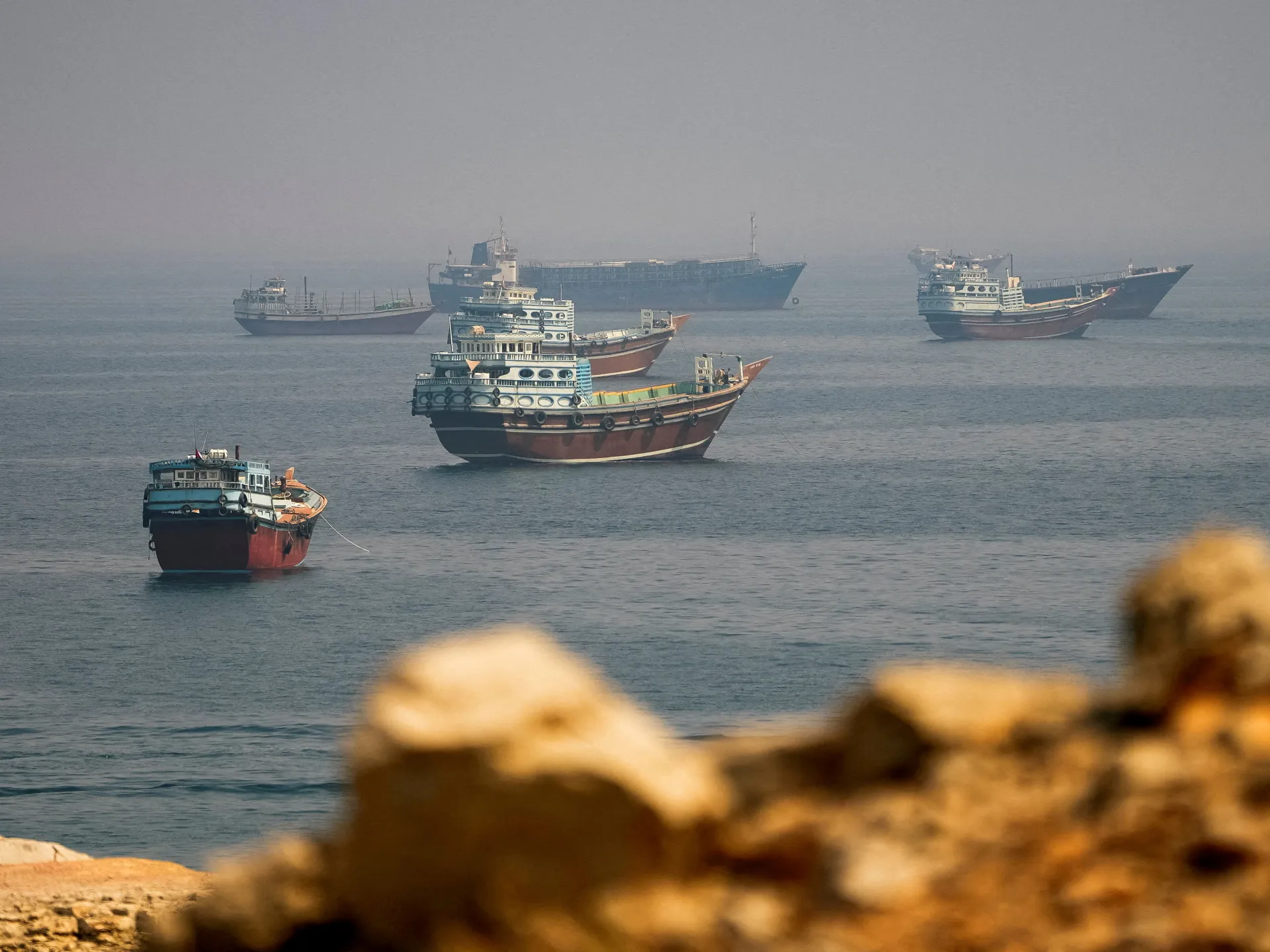
Significant policy hurdles persist, with the agreement subject to finalisation by US and Iranian negotiators as well as 'various other countries'. Unresolved issues include the future of Iran’s nuclear programme, the US military presence in the region, and access to frozen Iranian funds. The strait has been effectively closed by Iran and blocked by the US, creating a standoff that has upended global energy markets since the conflict began in February.
Amidst these diplomatic developments, regional tensions remain high. An Israeli strike destroyed a regional facility of Lebanon’s civil defence agency in Nabatieh, damaging vehicles and equipment but causing no reported casualties among personnel. In the northern Gaza Strip, an Israeli strike killed five police officers and a child, according to rescuers and the Palestinian police force.
Separately, Iran’s judiciary reported the execution of Mojtaba Kian for charges related to sending defence industry data to the United States and Israel. The Iranian judiciary’s Mizan news agency stated that Kian had been sending information about Iran’s defence industry to 'the enemy' during the war.