Pakistan Army Chief Arrives in Tehran as US Reports Diplomatic Progress Amid Hormuz Sanctions
Diplomatic efforts to end the war between Israel and the United States intensify as Pakistan’s army chief meets Iranian counterparts, while Washington notes slight progress in talks and Brussels expands sanctions regime.
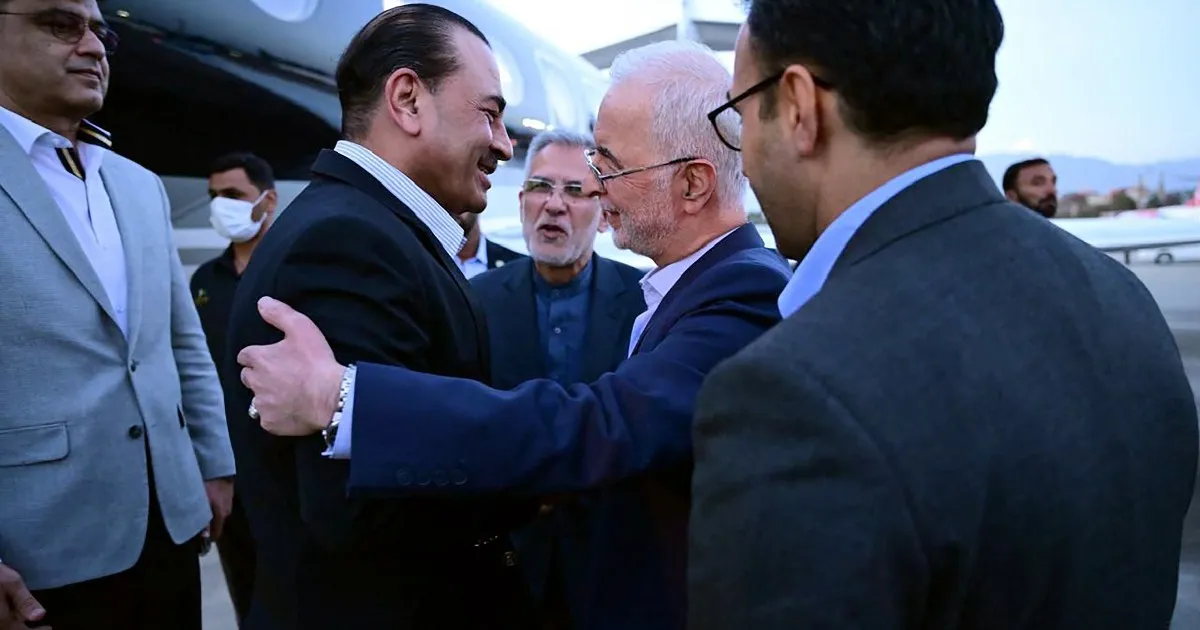
Pakistan’s army chief, Field Marshal Asim Munir, arrived in Tehran on Friday for his second mediation visit aimed at ending the war between Israel and the United States, which commenced on 28 February. Munir was received by Iranian Interior Minister Eskandar Momeni, with Pakistan’s Interior Minister Mohsin Naqvi also present at the reception. This diplomatic engagement follows a temporary ceasefire secured on 8 April and high-level talks hosted by Islamabad on 11-12 April, marking a continued effort by Pakistan to facilitate direct negotiations between the warring parties.
Iranian Foreign Ministry spokesperson Esmaeil Baghaei described the current diplomatic situation as a turning point, stating that the presence of senior Pakistani officials indicates a decisive phase in the process. However, Baghaei cautioned that gaps between Tehran and Washington remain deep and significant, noting that an agreement is not yet close. He clarified that negotiations are currently focused exclusively on ending the war, with nuclear issues not being discussed at this stage.
US Secretary of State Marco Rubio reported slight progress in the ongoing talks, describing the movement as positive but modest. Speaking before a meeting of NATO foreign ministers in Helsingborg, Sweden, Rubio emphasised that conversations are continuing and that the United States is not yet at a resolution. The military alliance also discussed the potential role it could play in policing the Strait of Hormuz once the conflict concludes, highlighting the strategic importance of the region.
President Donald Trump stated that Iran is eager to make a deal but insisted it cannot possess a nuclear weapon. He recently halted planned military strikes against Iran following requests from Middle Eastern allies, including leaders of Qatar, Saudi Arabia, and the United Arab Emirates. While Trump has previously set deadlines for Tehran, he indicated that serious negotiations were underway, although he has a history of shifting parameters regarding military action.
Concurrently, the European Union moved to impose sanctions on Iranian officials for blocking the Strait of Hormuz, a key shipping lane closed in retaliation for the war. The EU extended the scope of its existing Iran sanctions regime to allow for more individuals to be targeted for undermining freedom of navigation, including travel bans and asset freezes. The blockade, which affects a lane carrying a fifth of global oil production, has contributed to soaring energy prices and economic instability.