Pakistan-administered Kashmir votes amid security clampdown and protest fallout
The Jammu Kashmir Joint Awami Action Committee has called for a boycott, while internet suspensions and heat dampen turnout in the Mirpur district.
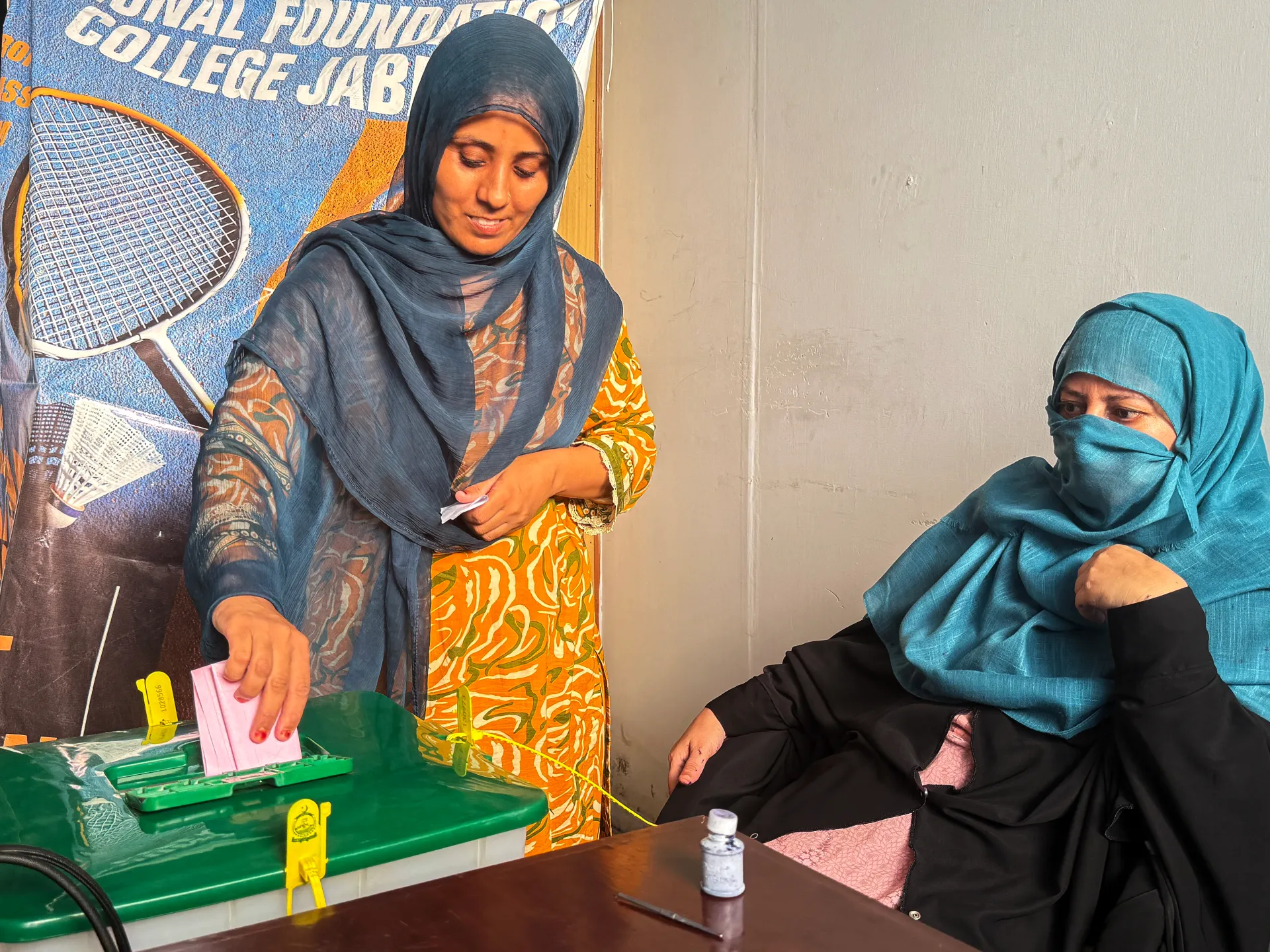
Pakistan-administered Kashmir has commenced the first of three rounds of local legislative elections, held under a heavy security presence and an unofficial state of emergency. The voting process in the Mirpur district began on Monday morning, marking the initial phase of a poll that the electoral commission has split into three stages due to concerns over stretched security personnel. The election is widely viewed as a test of governance and stability following weeks of deadly clashes between police and protesters.
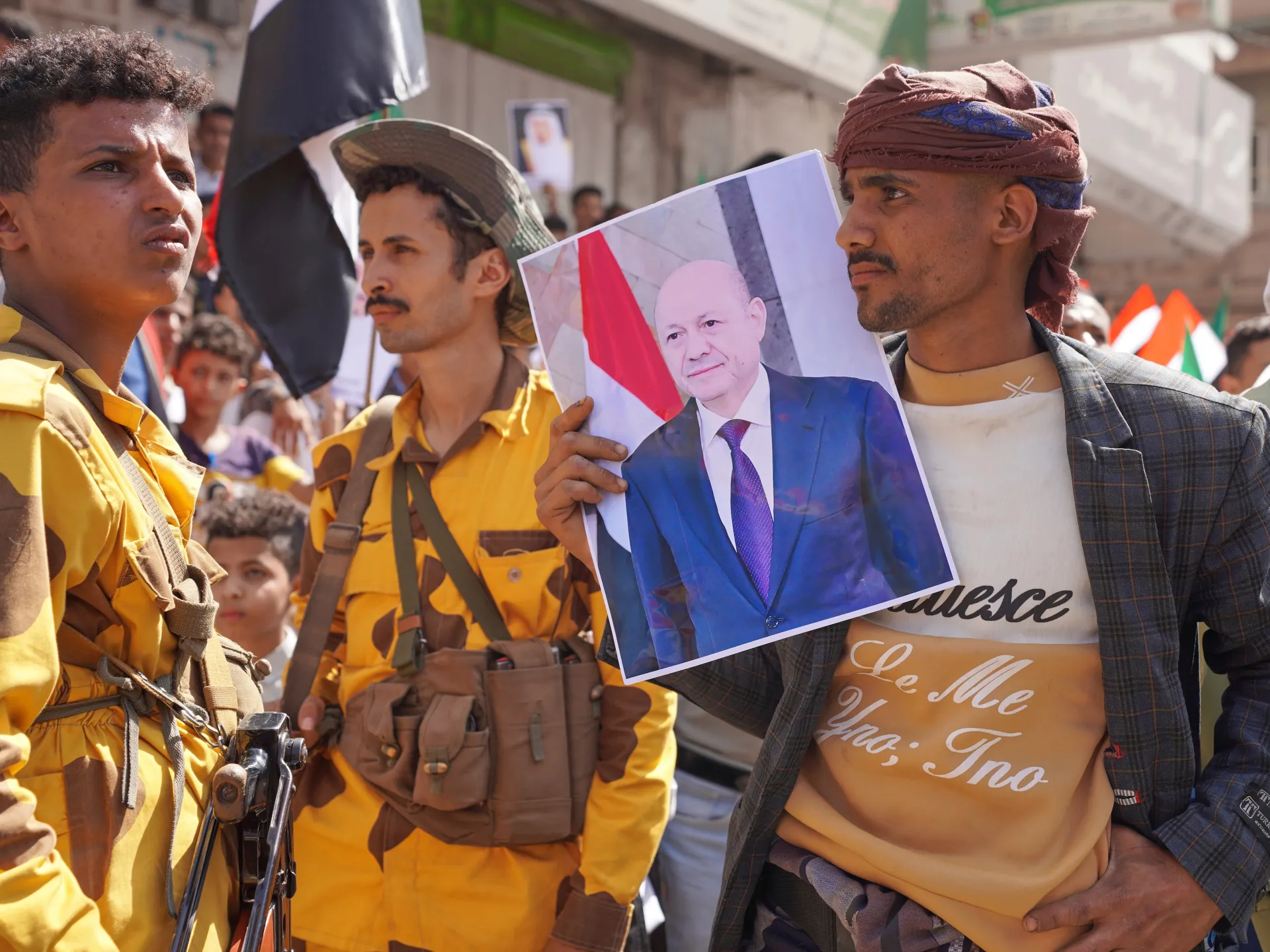
The run-up to the vote has been marked by significant civil unrest, with nearly 40 people killed since early June. What began as protests demanding electoral reform and subsidised flour escalated into violent confrontations, prompting authorities to impose widespread suspensions of mobile and internet services across most of the territory. These communication blackouts have drawn criticism from candidates and observers, who argue they have severely hampered the democratic process.
Independent candidate Malik Alauddin told the AFP news agency that the internet shutdown created serious difficulties for political campaigning. He described a forced return to traditional, labour-intensive methods, noting that in a vast mountainous constituency, a single social media post could previously reach thousands of voters. Without digital access, candidates must now travel to every small village and conduct door-to-door outreach, a task Alauddin described as significantly harder under the current restrictions.
Voter turnout in the Mirpur district appeared low, with witnesses attributing the subdued participation to the summer heat and the aforementioned campaign restrictions. Approximately 3.8 million residents in the Pakistan-administered portion of the disputed Himalayan region are eligible to vote, but the atmosphere remains tense. The electoral commission’s decision to phase the voting was intended to manage security logistics, yet the underlying unrest continues to cast a shadow over the proceedings.
The Jammu Kashmir Joint Awami Action Committee (JAAC), the movement that spearheaded the recent protests, has called for a boycott of the elections. Banned in June under anti-terrorism laws, the JAAC’s leadership has either been arrested, gone underground, or is organising from sit-in camps in Rawalakot. The group’s demands have expanded from initial economic grievances to 38 points, including the abolition of 12 assembly seats reserved for Kashmiri refugees. JAAC supporters argue these reserved seats allow major Pakistani political parties to influence the local parliament using voters who mostly reside outside the region.