PAC warns GPs too overloaded to prevent falls in elderly patients
House of Commons Public Accounts Committee finds only 17% of frail patients assessed in 2024/25, citing systemic pressure from online service demands
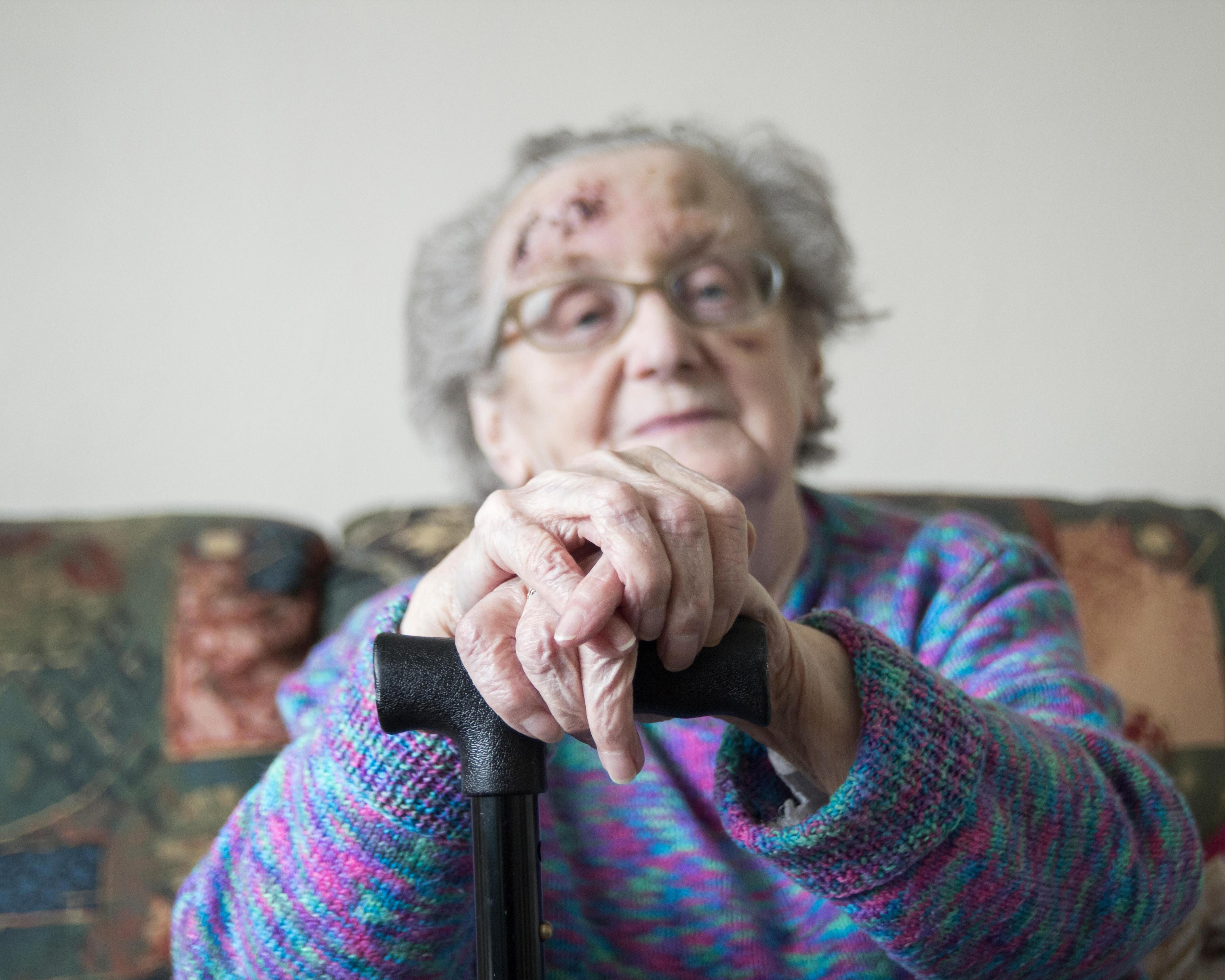
The House of Commons Public Accounts Committee has concluded that general practitioners in England are too overloaded to adequately assess and support older people at risk of falling, a shortfall that NHS England officials have conceded is unacceptable. The cross-party committee’s report highlights a systemic failure in primary care, where contractual obligations to identify and manage frailty are not being met due to intense pressure on GP time.
Evidence presented to the committee indicates that the government’s strategic push to improve digital and online access to general practice has intensified workload pressures. While aiming to enhance service availability, this prioritisation has inadvertently reduced the capacity for proactive, continuity-based care, leaving many family doctors unable to deliver on requirements to support patients over 65 with moderate or severe frailty.
During the 2024/25 period, only 17% of patients identified with moderate or severe frailty were assessed by their GPs. The data reveals a stark disparity in performance across the country: while nine local NHS areas assessed at least 90% of such patients, almost one in three areas assessed fewer than 10%. The committee noted that this variance suggests good performance is achievable within existing resources, pointing to inconsistencies in how priorities are managed locally.
The human and economic cost of this oversight is significant. Falls remain the leading cause of injury death for over-65s, resulting in tens of thousands of hip fractures and costing the UK an estimated £4.4bn annually. Specifically, only 18% of the 226,000 people diagnosed with severe frailty were assessed for fall risk, and just 16% underwent a medication review, despite the known risks associated with polypharmacy and other age-related vulnerabilities.
In response to the identified gaps, NHS England is considering whether pharmacists could assume some of the unmet responsibilities, particularly regarding medication reviews for frail patients. Prof Victoria Tzortziou Brown, president of the Royal College of GPs, stated that the report vindicated previous warnings that prioritising online access without equal focus on proactive care risks disadvantaging vulnerable patients. Age UK echoed these concerns, noting that nearly a decade after frailty identification was made a contractual priority, tangible improvements for older people remain elusive.