Ozel’s Yeni Parti enters Turkish parliament as opposition fractures
A court ruling that nullified the CHP’s 2023 convention has triggered a major realignment, leaving the historic party in fourth place while the Yeni Parti positions itself as the second-largest faction in parliament.
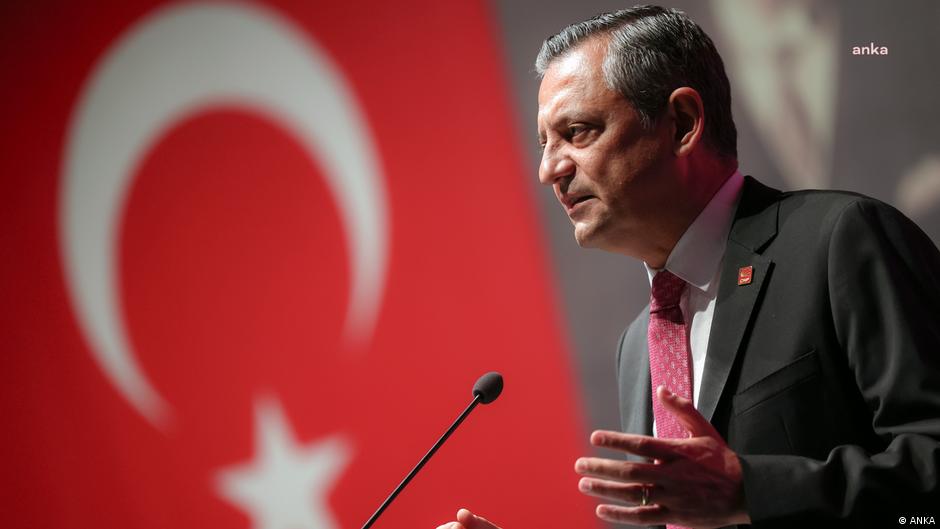
Former Republican People’s Party (CHP) leader Ozgur Ozel has formally established the Yeni Parti (New Party), submitting registration to the interior ministry two months after a court ordered his removal from the CHP. The move follows a May ruling that declared the party’s 2023 convention null and void, leading to the ousting of Ozel and the reinstatement of former leader Kemal Kilicdaroglu. Approximately 91 lawmakers have defected to the new party, positioning it as the second-largest faction in Turkey’s 600-seat parliament.
The split significantly alters the balance of power in Ankara, reducing the CHP to the fourth-largest party with 44 seats. The realignment occurs against the backdrop of the CHP’s victory in the March 2024 local elections, where the party captured control of 14 major city councils, including Istanbul. However, the subsequent arrest of Istanbul Mayor Ekrem Imamoglu on corruption and fraud charges, alongside the judicial intervention in party leadership, has intensified political tensions.
Analysts suggest the division within the opposition may benefit President Recep Tayyip Erdogan by eliminating a unified front ahead of the 2028 presidential election. The conflict dates back to the autumn of 2023, when Ozel’s reformist faction prevailed at the party convention, pressing Kilicdaroglu to step down after years of electoral defeats. The recent judicial intervention effectively reversed this shift, returning the old guard to power and prompting Ozel’s faction to leave rather than accept the ruling.
Despite the structural challenges, polling indicates the Yeni Parti holds conditional potential to attract significant support. Seren Selvin Korkmaz of the IstanPol think tank reported that a recent survey shows around 30% of respondents would vote for the new party or consider it, with another 19% making their decision conditional on the party’s program and leadership. Korkmaz described this as a broad but conditional potential for support of almost 49%, driven by sympathy for Ozel and hostility toward judicial interference in party politics.
The new party faces substantial hurdles, including the need to establish operations in at least 41 of Turkey’s 81 provinces by the 2028 election to be eligible to run. Additionally, the Yeni Parti lacks access to the same financial resources as the CHP, complicating its organisational efforts. Experts warn that uniting the conflicting expectations of diverse voter segments, including those from the IYI and DEM parties, will require careful navigation to avoid ideological limitations.