Oxford scientists accelerate Bundibugyo Ebola vaccine amid DRC emergency
The Serum Institute of India stands ready to mass-produce the vaccine once medical-grade material is supplied by the UK research team.
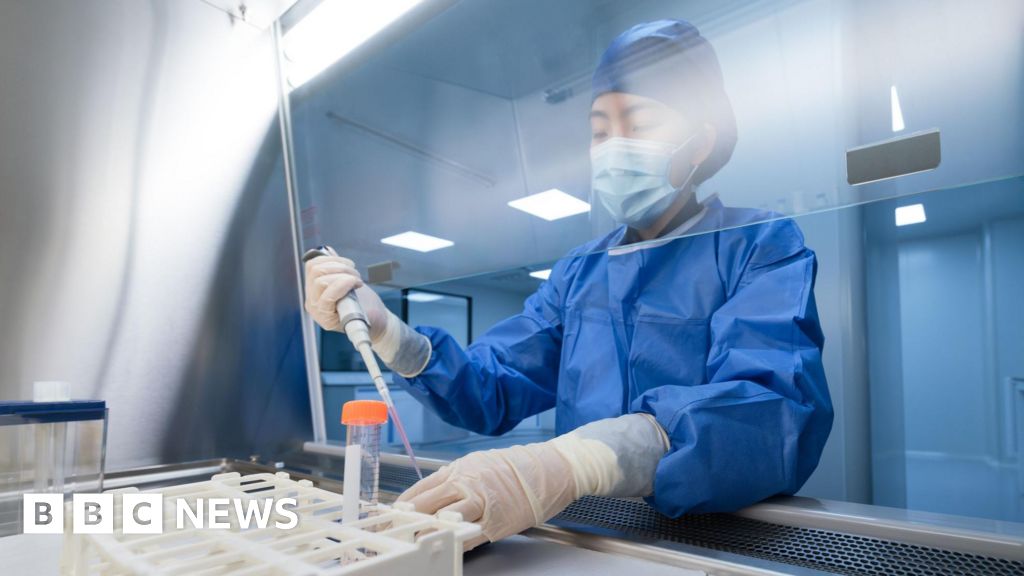
Scientists at Oxford University are developing an experimental vaccine targeting the rare Bundibugyo species of Ebola, which is currently driving an outbreak in the Democratic Republic of Congo. The World Health Organization has upgraded the risk level in the DRC to 'very high' and declared a public health emergency of international concern, citing 750 suspected cases and 177 deaths. The vaccine, based on the ChAdOx1 technology utilised during the pandemic, is projected to be ready for clinical trials within two to three months.
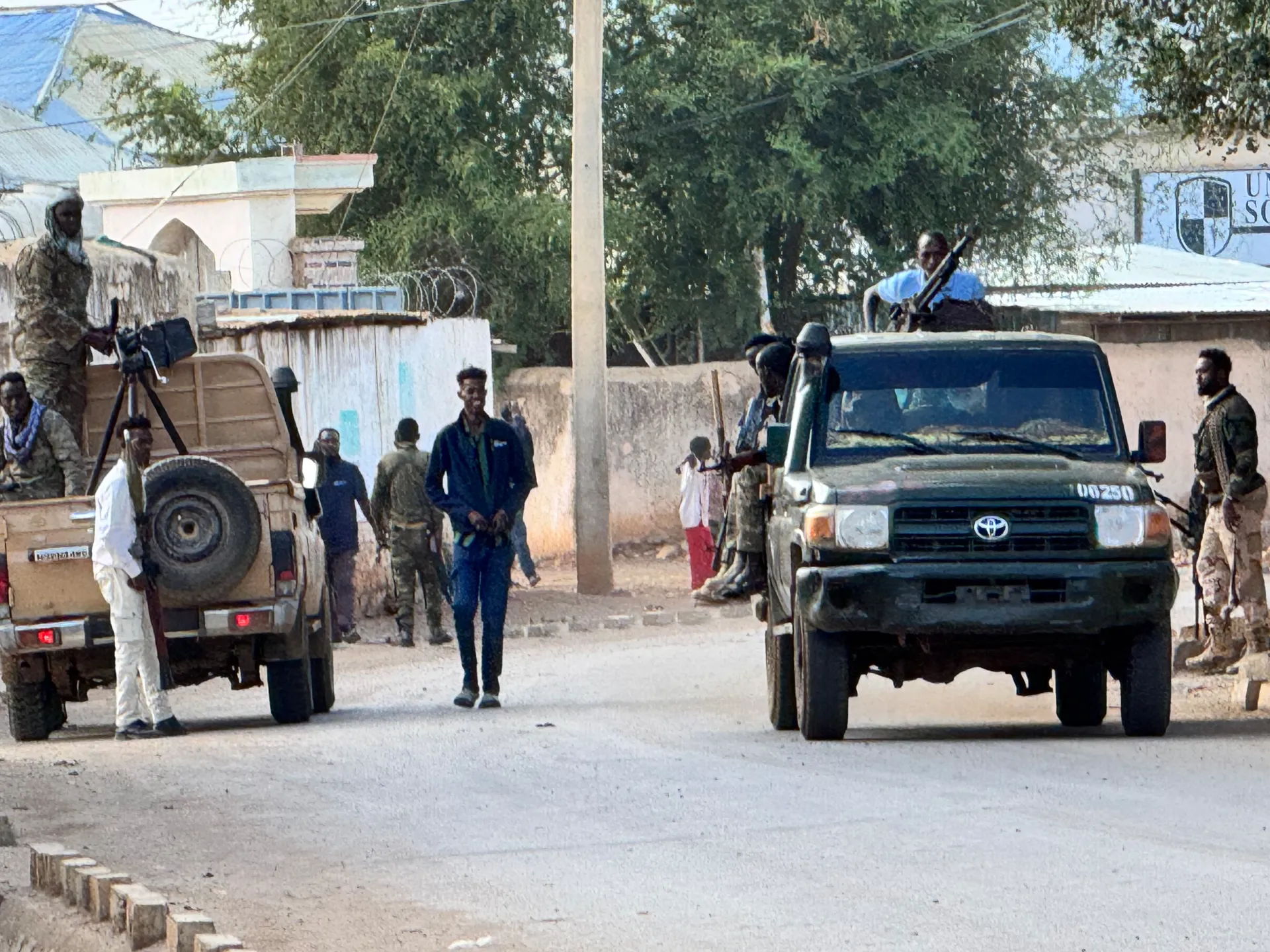
The Bundibugyo species, which has a fatality rate of approximately one-third and no previously proven vaccine, has not been observed in outbreaks for over a decade. Previous incidents occurred in Uganda in 2007 and the DRC in 2012. The current outbreak began on 24 April with the death of a nurse in Bunia, Ituri province, before the body was repatriated to Mongwalu, a gold-mining town where the majority of cases have since been reported.
The ChAdOx1 platform employs a genetically engineered common cold virus, normally infecting chimpanzees, to deliver genetic material from the Bundibugyo Ebola virus. This modified virus carries and delivers genetic instructions to cells, training the immune system to recognise and fight the disease without causing infection or symptoms. Animal testing of the experimental vaccine is already underway at Oxford, with researchers noting that the technology is highly adjustable and can be quickly tweaked to target different infections.
Deployment of the vaccine will not involve mass immunisation. Instead, the strategy relies on ring vaccination, targeting close contacts of confirmed cases and healthcare workers treating patients. Prof Lambe, the Calleva Head of Vaccine Immunology at the Oxford Vaccine Group, emphasised that speed is a priority given the uncertainty of the outbreak's trajectory. The team has previously worked on similar vaccines for the Sudan species of Ebola and the Marburg virus.
The Serum Institute of India has indicated readiness to mass-produce the vaccine once medical-grade material is supplied by Oxford. While another experimental Bundibugyo vaccine is in development, it is expected to take six to nine months to be ready for testing, making the Oxford project a critical component of the international response to the escalating emergency.