Oxfam urges shoppers to pause new buys for Second Hand September
The charity’s 30-day initiative asks consumers to swap new garments for preloved pieces, while The Guardian invites readers to showcase their best vintage finds.
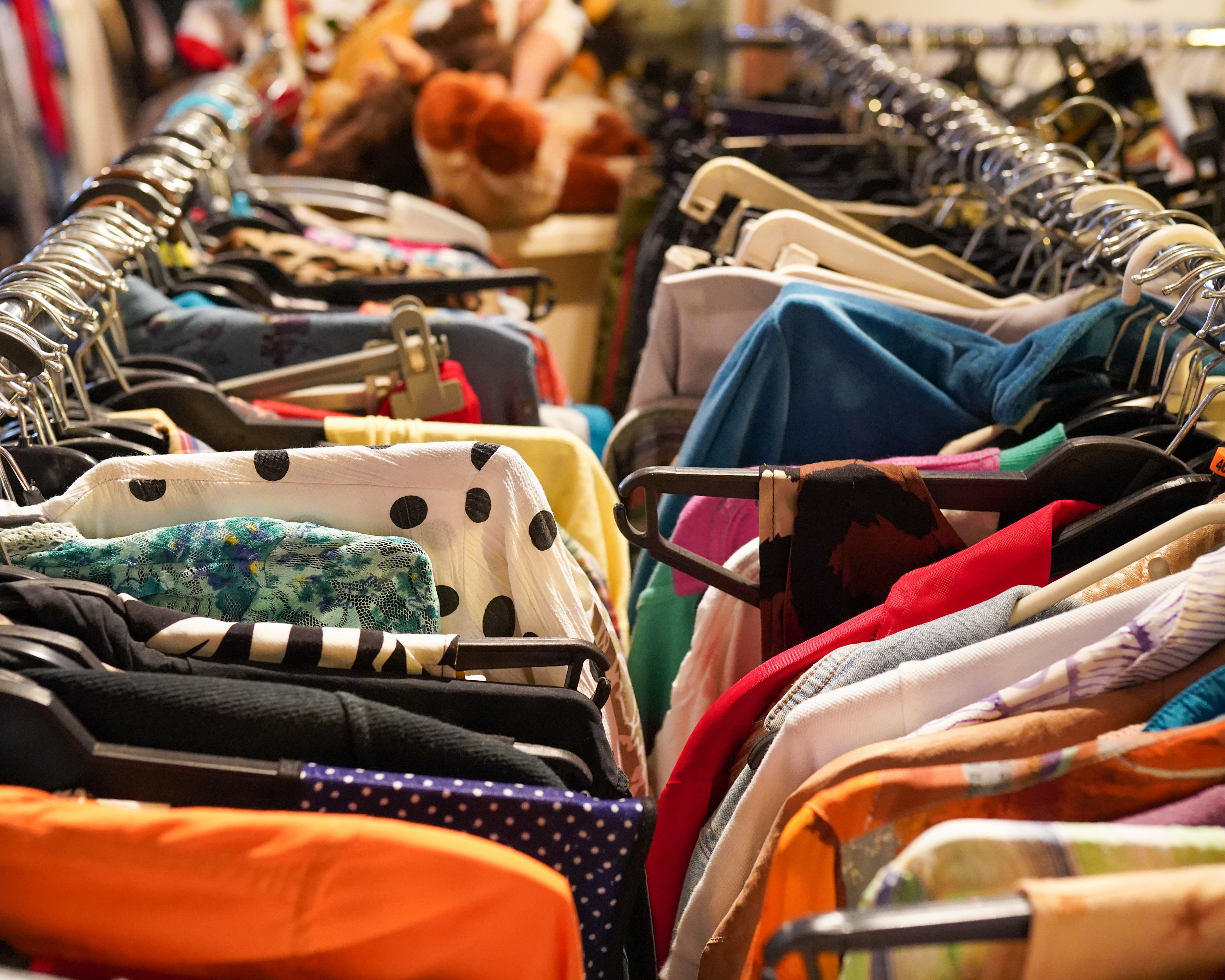
Oxfam has launched its Second Hand September campaign, a 30-day initiative designed to shift consumer habits away from fast fashion. The charity is encouraging participants to refrain from purchasing new clothing for a month, opting instead for secondhand items to mitigate the environmental footprint of the industry.
The primary objective of the campaign is to address two specific issues: the volume of waste generated by the fashion sector and its associated carbon emissions. By extending the lifecycle of garments through resale and reuse, Oxfam aims to demonstrate that sustainable style does not require a premium price tag or a new label.
To complement the launch, The Guardian is engaging its audience with a dedicated feature that invites readers to share their personal experiences with preloved shopping. The publication is soliciting submissions from those who have found designer pieces at a fraction of the original cost, discovered ideal vintage coats, or acquired items they have worn for years.
Readers are asked to provide details on their best secondhand fashion finds, including the location of purchase and the price paid. Participants are also invited to share a photograph of themselves wearing the item, offering a visual testament to the quality and longevity of preloved clothing.
The initiative highlights the growing cultural shift towards conscious consumption, where the provenance of a garment is as important as its aesthetic. By documenting these finds, The Guardian creates a communal archive of style that underscores the value of the secondhand market.
As the 30-day period commences, the campaign serves as a reminder that reducing one’s carbon footprint can be as simple as looking in a different direction. The collaboration between Oxfam and The Guardian positions secondhand shopping not just as an eco-friendly choice, but as a viable and stylish alternative to new retail.