Ottawa pivots foreign policy amid US trade tensions and tariff threats
Following aggressive actions by the United States, including tariffs and annexation threats, the Canadian government is recalibrating its global strategy while facing domestic challenges regarding infrastructure and trade reviews.
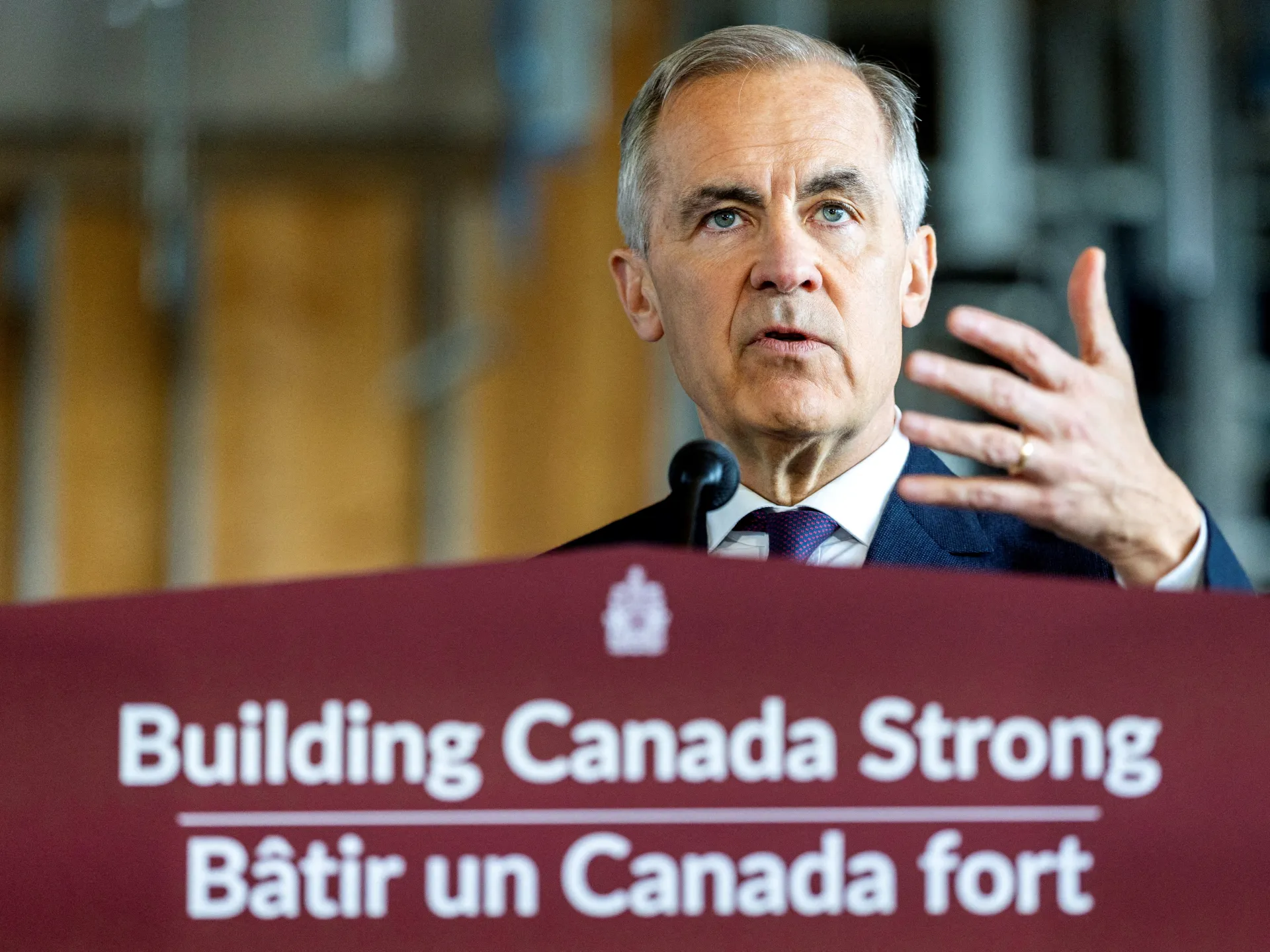
Canadian Prime Minister Mark Carney has refocused Ottawa's foreign policy strategy in direct response to aggressive actions by US President Donald Trump. Following a year of resilience against external threats and internal critics, the federal government is prioritising domestic development and actively diversifying international ties with nations including India, China, Japan, South Korea, Australia, and European allies. This strategic shift marks a departure from previous reliance on the United States as the anchor of the rules-based order.
The pivot comes after President Trump imposed tariffs on Canadian exports and issued threats to make Canada the 51st state. Experts have noted that Carney has used these attacks on allies to reposition Canada in the world, arguing that historical dependence on Washington has become a source of weakness. Consequently, the administration is moving away from a lockstep approach on geopolitical policy, instead seeking to build at home and expand global connections at a speed and scale not seen in recent years.
Diplomatic efforts are already underway to reset frozen relations with key partners. Carney invited Indian Prime Minister Narendra Modi to the G7 meeting in Canada to initiate a thaw in ties that had been frozen since 2023 following allegations regarding a Sikh separatist activist. Simultaneously, relations with China have been recalibrated following the 2018 Huawei arrest and the subsequent detention saga involving Meng Wanzhou.
Security and economic alignment has also been deepened with Japan, South Korea, Australia, and Europe. In the lead-up to last year's elections, Carney positioned himself as a centrist focused on the economy and trade, avoiding deep discussions on human rights or political interference. This pragmatic persona has allowed him to maintain a steady course, with approval ratings rising to 58 per cent according to a March Ipsos poll for Global News.
However, the administration faces significant domestic hurdles. A major projects bill aimed at fast-tracking infrastructure development faces criticism for potentially undermining consultation with Indigenous communities whose lands may be affected. While Carney recognises the need for infrastructure to facilitate trade diversification, the tension between rapid development and community consultation remains a critical challenge for the government.
Looking ahead, the review of the USMCA trade pact begins on 1 July, presenting another complex diplomatic task. The United States has signalled that a successful review could hinge on Canada aligning its external tariffs with those of the US. Critics warn this requirement conflicts with Canada's diversification efforts, particularly as the nation has lined up deals with China on electric cars and agriculture. The coming year will test whether Carney can deliver on his first-year announcements against these shifting US-Canada dynamics.