O’Reilly Warns US Could Lose AI Race to China Without Open-Source Shift
In a wide-ranging interview with WIRED, Tim O’Reilly contends that the venture-capital-driven push for frontier AI models risks ceding ground to China, advocating instead for open-source architectures that empower designers and users.
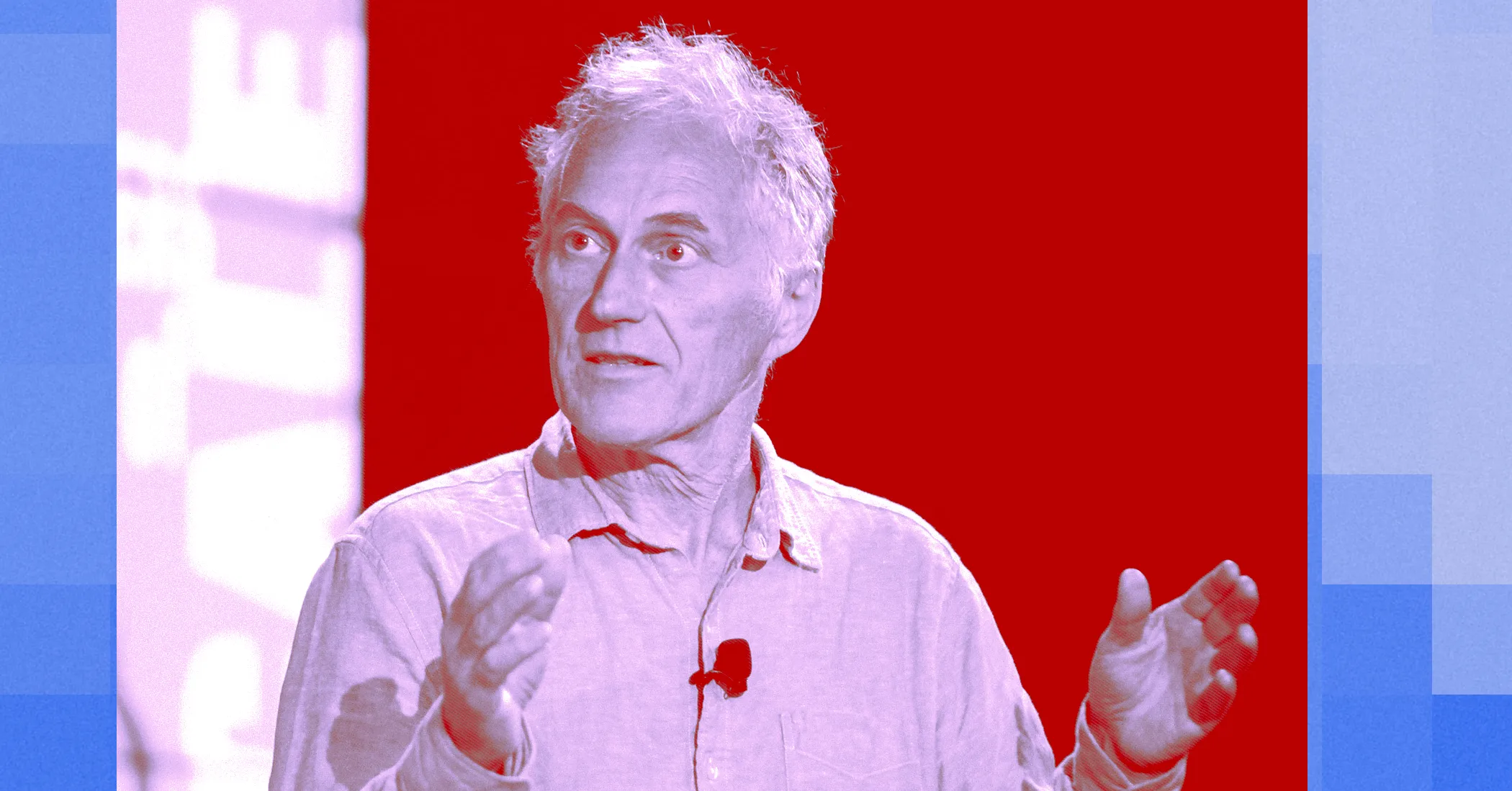
Tim O’Reilly, the publisher and internet pioneer behind a once $70 million book empire, is urging a fundamental shift in how artificial intelligence is developed and deployed. In an interview with Steven Levy for the Backchannel newsletter, published by WIRED on 14 August 2026, O’Reilly argued that major artificial intelligence laboratories are misinterpreting user needs by prioritising proprietary, high-end models over open-source alternatives.
O’Reilly contends that the current industry focus on frontier models optimises for specific use cases that do not necessarily align with what ordinary people require. He distinguishes true open-source AI from merely open-weight models, asserting that the former must encompass the entire system architecture to enable genuine participation. According to O’Reilly, the prevailing model built by hyperscalers creates an architecture of control rather than freedom, locking users into specific providers and preventing the clean separation between models, harnesses, and applications.
The tech visionary warns that the United States could lose the global AI race to China if Beijing successfully diffuses lower-level, open-source models throughout its society. O’Reilly suggests that while the US may win in frontier AI capabilities, China’s broader societal adoption of accessible tools could yield superior long-term innovation. He criticises the venture-capital-driven model of big tech, comparing it to the subsidised ride-hailing market where capital, rather than the marketplace, picks winners.
O’Reilly also addresses security concerns often cited by proponents of restricted access. He argues that cybersecurity risks and the potential for developing pathogens are actually arguments for slowing down frontier models rather than restricting open-weight models, noting that most recent cybersecurity incidents have stemmed from the latter. He predicts that the real future of AI innovation will resemble the early web, driven by non-venture capital funding and a ferment of grassroots creativity.
Amidst this debate, the industry continues to grapple with data usage rights. Twitch recently introduced an opt-out toggle in account settings, allowing streamers to prevent Amazon from using their content to train generative AI models. The setting, which was previously enabled by default, covers streams, clips, chat logs, and images. While this move highlights growing tensions over data ownership, O’Reilly’s nonprofit, the AI Disclosures Project, is working on an open-memory consortium to allow users to switch models and providers while maintaining context.
O’Reilly, who runs the AI Disclosures Project, views AI as a new creative medium akin to paint or music. He uses the technology for brainstorming and functional writing tasks, such as summarising interviews, but maintains that the tool’s value lies in its ability to extend human capability rather than replace it. As his own publishing revenue declines to $30 million, he sees open-source AI as a potential elixir for creators seeking to retain control over their work and knowledge.