Opposition Unites in BeYachad Coalition, Citing Hungarian Precedent in Bid to Oust Netanyahu
The new alliance aims to consolidate parliamentary seats ahead of the October election, with analysts noting significant similarities between the current Israeli administration and the Hungarian government regarding civil liberties and media oversight.
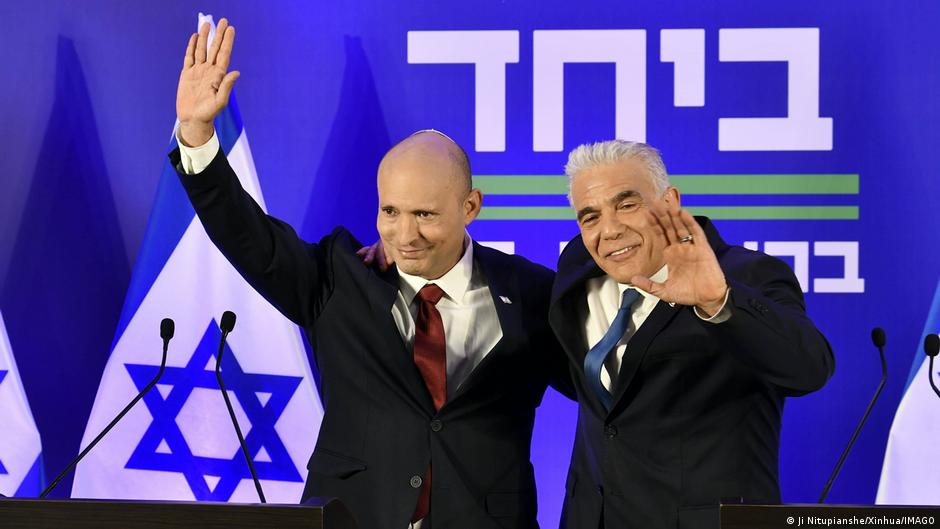
Israeli opposition figures Naftali Bennet and Yair Lapid have formally merged their respective parties to create a new coalition named BeYachad, meaning "together". This strategic consolidation is set to contest the upcoming October election with the primary objective of unseating Prime Minister Benjamin Netanyahu. The formation of this bloc represents a significant shift in the political landscape, moving away from fragmented opposition efforts toward a unified front designed to challenge the incumbent government's hold on power.
The architects of this new alliance are drawing explicit strategic inspiration from the recent electoral defeat of Hungarian Prime Minister Viktor Orban. Analysts note distinct parallels between the current Israeli government and Orban's administration, specifically concerning the erosion of civil freedoms, control over the media, and the suppression of dissent. This comparison suggests that the opposition views the merger not merely as a tactical electoral maneuver, but as a necessary response to broader governance issues affecting democratic structures within the country.
Polling data from the Israeli outlet Walla indicates that the merged BeYachad bloc is projected to secure 27 seats. This figure represents a consolidation of the 31 seats previously projected for the separate parties of Bennet and Lapid. The poll further suggests that the new union has benefited former General Gadi Eisenkot's Yashar Party, which is now projected to hold 15 seats compared to its previous 12. Eisenkot has publicly endorsed the union, stating his party's only objective is to secure maximum votes in what he describes as Israel's "most important ever" election.
Despite the internal consolidation, the broader political dynamic remains complex. Current projections suggest the opposition would hold 59 seats, falling two short of the 61 required for a parliamentary majority, while Netanyahu's bloc is expected to retain 51 seats. The remaining ten seats are anticipated to be distributed among Israel's two Arab-majority parties, the Joint List and Ra'am. The inclusion of Ra'am in the 2021 coalition remains a point of contention, with the current far-right coalition led by Netanyahu having criticized the previous arrangement despite reports of Likud holding negotiations with the party's leader, Mansour Abbas.
The political environment is heavily influenced by the October 7, 2023, Hamas-led attacks, which has reportedly narrowed the Israeli public's focus on the Palestinian conflict in favour of preserving democratic structures. Correspondents observe that the conflict with Palestinians is barely being spoken about, as the right and left put their differences aside in a bid to save Israel's democratic institutions. This shift in public priority has created a vacuum that the BeYachad coalition aims to fill by positioning itself as the defender of these structures against the perceived authoritarian drift of the current leadership.
The merger seeks to build the largest party in the country, a prerequisite for any party head to become prime minister in Israel's proportional representation system. While Bennet, who previously served as Prime Minister for a one-year term, represents the right-wing Zionist religious public, Lapid leads the centrist-liberal Yesh Atid party representing secular Israelis. The alliance hopes to portray Bennet as the legitimate leader of the Zionist mainstream while uniting diverse voter bases to overcome the hurdles of the current fragmented political scene.