Opinion: Windfall taxes on oil giants needed to fund crisis relief and energy transition
Authors argue record profits driven by the closure of the Strait of Hormuz should be taxed to finance social support and accelerate the move away from fossil fuels
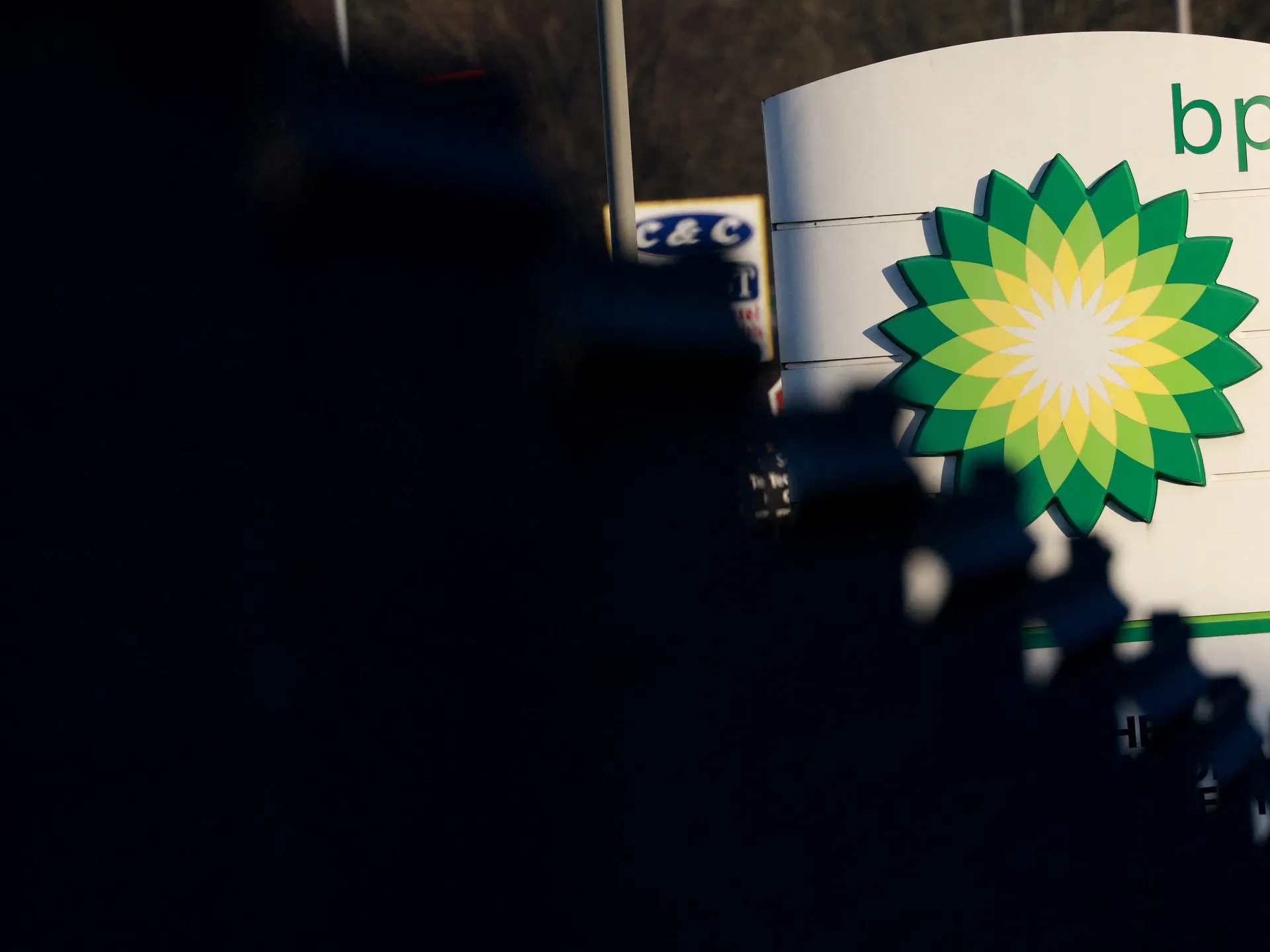
An opinion piece published by Al Jazeera on 5 May 2026 argues that governments must impose windfall taxes on fossil fuel companies to address the economic crisis driven by the ongoing conflict in the Middle East. The author contends that record profits generated by energy firms, specifically citing recent earnings from BP, TotalEnergies, and ExxonMobil, should be taxed to fund social support for impoverished households, finance the energy transition, and subsidise public transport to reduce oil demand.
The piece links these profits directly to rising oil prices caused by the closure of the Strait of Hormuz following US and Israeli attacks on Iran. According to the text, the geopolitical situation involving these attacks resulted in significant casualties and the disruption of a critical global energy chokepoint, triggering a sharp upward shift in prices for oil and gas.
Citing specific financial data from the first quarter of 2026, the article notes that BP reported earnings of $3.2bn, exceeding analyst projections, while TotalEnergies saw a 29 per cent jump to $5.4bn. The author also references an analysis from Oxfam International which projects that fossil fuel companies could earn $3,000 per second in 2026, attributing these windfall profits to the global energy system's dependence on vulnerable transport routes.
The editorial draws parallels to the 2022 energy crisis following Russia's invasion of Ukraine, noting how skyrocketing gas prices at that time resulted in unprecedented profits for the industry. It highlights that every European Union citizen overpaying for fossil gas and power sent €150 to the United States annually, a figure based on a report by the Centre for Research on Energy and Clean Air.
The author argues that while previous crises failed to decouple the global economy from fossil fuels, current renewable technologies such as wind, solar, storage, and electric vehicles are now significantly cheaper than they were in 2022. Consequently, the piece asserts that there is no default destiny for the world to remain trapped in a system that becomes more profitable for companies when there is more bloodshed and conflict.
To resolve this, the opinion piece proposes that windfall tax revenues be used to provide social support for impoverished households and channelled to countries hit hardest by climate change. Furthermore, it calls for governments to introduce bold oil demand elimination programmes focused on public and active transport, alongside the incentivisation of small cars, to make nations more immune to future energy shocks.