Opinion piece alleges Israel has spent five decades undermining US-Iran diplomacy
Analysis published by Al Jazeera claims a coordinated strategy involving intelligence operations and lobbying has kept Washington and Tehran in confrontation, a pattern US Vice President JD Vance has recently accused Israeli-linked networks of continuing.
An opinion piece published by Al Jazeera on 27 July 2026 argues that successive Israeli governments have employed a covert strategy over five decades to maintain confrontation between the United States and Iran. Authored by former Iranian negotiator Seyed Hossein Mousavian, the article asserts that Israel has systematically undermined diplomatic efforts to ease tensions, citing declassified intelligence, memoirs by senior American officials, and academic scholarship. The author contends this strategy aims to preserve Israel’s leverage in US Middle East policy and prevent a strategic pivot away from the region.
The piece outlines a historical pattern of obstruction beginning with the Iran-Iraq War, where scholars suggest Israeli thinking favoured a prolonged conflict to weaken both regional rivals. During the 1991 hostage releases, the article claims Israeli officials foiled aspects of the negotiated framework by refusing to implement arrangements involving the release of Lebanese and Palestinian prisoners, stalling the process pending the fate of missing servicemen. Domestic political pressures, including debates surrounding US loan guarantees and lobbying by the American Israel Public Affairs Committee, further limited diplomatic flexibility for the Bush administration at the time.
In the aftermath of the September 11 attacks, the article alleges Israel orchestrated a shift in Washington’s focus by highlighting Iran as the principal long-term security challenge. This included the interception of the Karine A ship in January 2002 and arguments that Iran posed a greater threat than Iraq, which influenced the framing of the “axis of evil” in the 2002 State of the Union address. The narrative suggests that Israeli strategic thinking consistently warned US officials that “Iraq is not the enemy – Iran is the enemy,” thereby sidelining potential cooperation in Afghanistan.
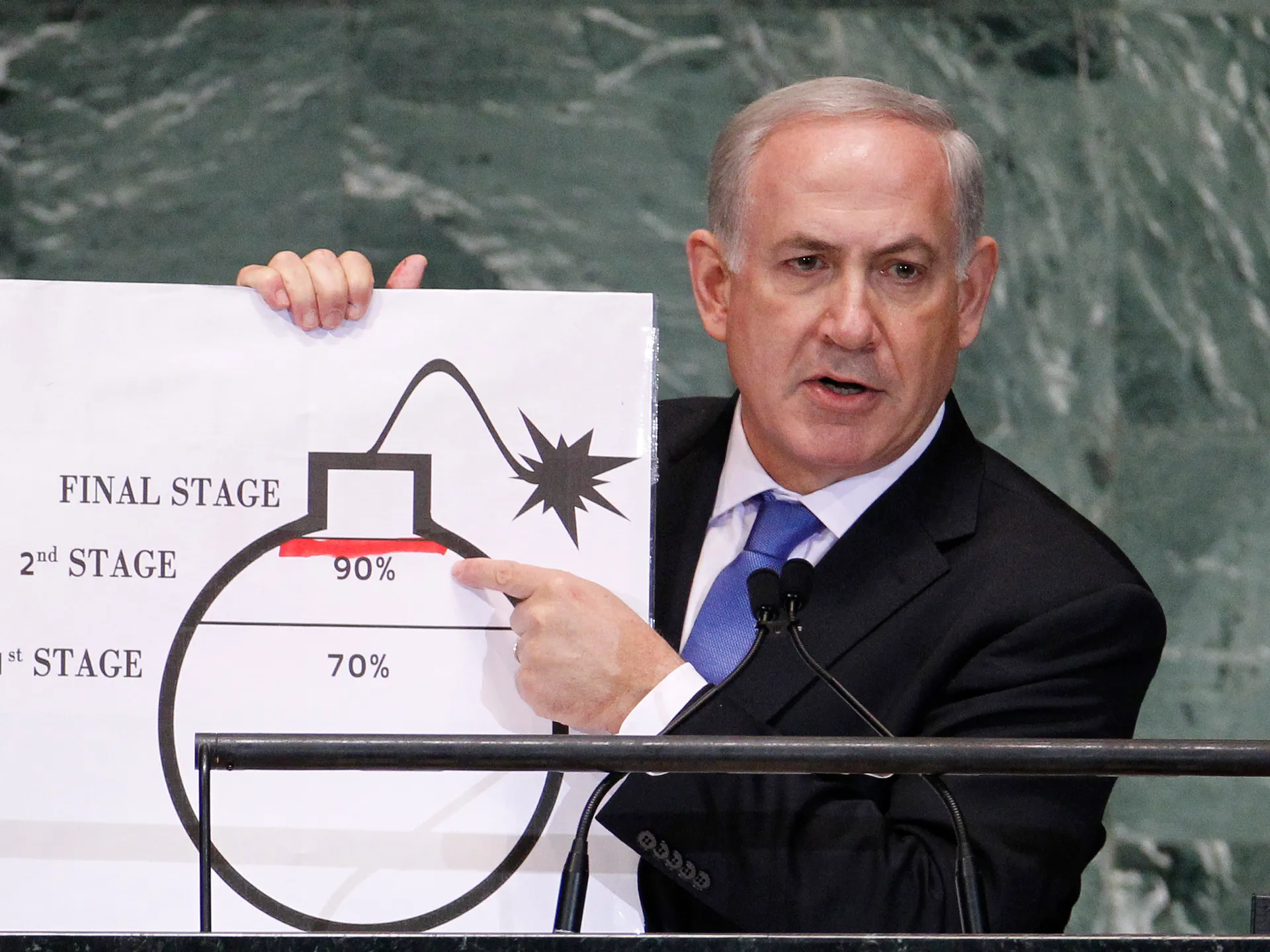
The negotiation of the 2015 Joint Comprehensive Plan of Action (JCPOA) is described as a significant point of contention, with Israeli leaders viewing the agreement as a collapse of securitization efforts. The article references claims that Mossad passed information regarding Iran’s Natanz enrichment facility to the MEK/NCRI to create an international emergency, a move that journalists and former inspectors have argued obscured the original source. Subsequent Israeli campaigns, including Prime Minister Benjamin Netanyahu’s address to the US Congress and the presentation of stolen nuclear documents to the Trump administration, are cited as efforts that contributed to the withdrawal from the deal and the subsequent “Maximum Pressure” campaign.
Recent diplomatic efforts have faced similar allegations of interference. The article references a Memorandum of Understanding negotiated in Islamabad earlier in 2026, noting that senior US and Iranian officials accused outside actors of undermining the agreement. US Vice President JD Vance stated that individuals within the Israeli system are manipulating American public opinion to keep the war going indefinitely, accusing Israeli government-linked networks of funding political actors and framing negotiations as a surrender.
With Prime Minister Benjamin Netanyahu preparing to meet US President Donald Trump, the article suggests he will use the occasion to discourage moves towards ending hostilities in the Gulf. Israeli media has reportedly reported on digital influence capabilities directed at Persian-language online discourse, aiming to present the Islamabad memorandum as humiliating to Iran. Mousavian concludes that recognizing and countering this systemic manipulation is essential if future diplomatic initiatives are to succeed.