Opinion: Africa urged to seize post-Hormuz era opportunity through unified maritime policy
A recent opinion piece suggests a coalition of anchor states should lead a continental strategy to transition from passive resource supplier to central geopolitical player.
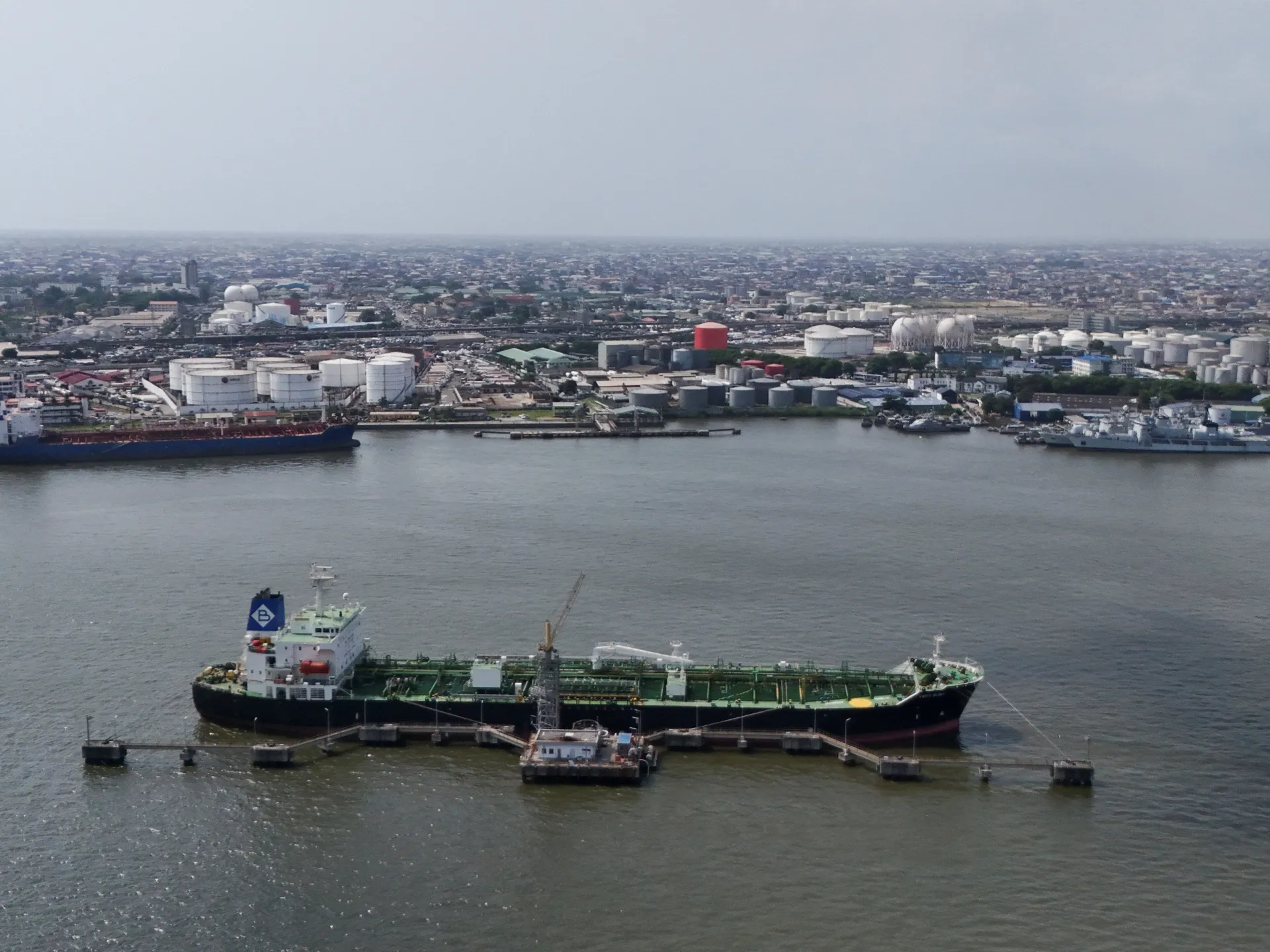
An opinion piece published by Al Jazeera on 16 August 2026 argues that African nations must develop a common maritime policy to capitalise on geopolitical shifts following disruptions in the Strait of Hormuz. The article posits that the "post-Hormuz era" offers an opportunity for Africa to transition from a passive resource supplier to a central player in global geopolitics.
The author contends that the continent can reverse its fortunes by overcoming "thalassophobia," defined as a historical tendency among African states to view the sea as a physical boundary rather than a space for economic, political, and military projection. This legacy, shaped by decades of terrestrial threats, has left maritime power peripheral in public policy and strategic culture.
Key recommendations include ratifying existing maritime strategies, establishing shared surveillance, creating a continental security fund, and integrating maritime efforts with the African Continental Free Trade Area. The article suggests that a coalition of anchor states, including South Africa, Nigeria, Egypt, Morocco, Kenya, Angola, and Senegal, should lead this transformation to ensure strategic autonomy.
The piece identifies structural barriers to a unified strategy, including the primacy of sovereignty, heterogeneous interests across different maritime frontages, and the high cost of building endogenous capabilities. It notes that the outsourcing of security to foreign navies has further discouraged the development of independent capacity, leaving the sea politically invisible until international crises highlight dependence on global corridors.
To address these challenges, the article outlines six priority policy lines: ratifying existing instruments, building shared maritime domain awareness, resolving financing via an African maritime security fund, articulating maritime effort with the African Continental Free Trade Area, strengthening energy resilience, and investing in human and industrial capital.
The Yaounde Architecture in the Gulf of Guinea is cited as a precedent for endogenous, functional maritime coordination that could be replicated in other regions. The author argues that geopolitical consciousness must translate into funded institutions and operational commands rather than remaining as unimplemented documents.
The post-Hormuz era is described as a shift from a geopolitical system dominated by a single energy chokepoint to a polycentric system involving multiple strategic corridors. In this context, Africa occupies a central position in a network of interdependent corridors decisive for the world economy, offering a unique window of opportunity for strategic autonomy.