OpenAI leadership turnover sparks investor concern ahead of listing
Significant executive churn at the artificial intelligence firm is raising governance questions for potential shareholders.
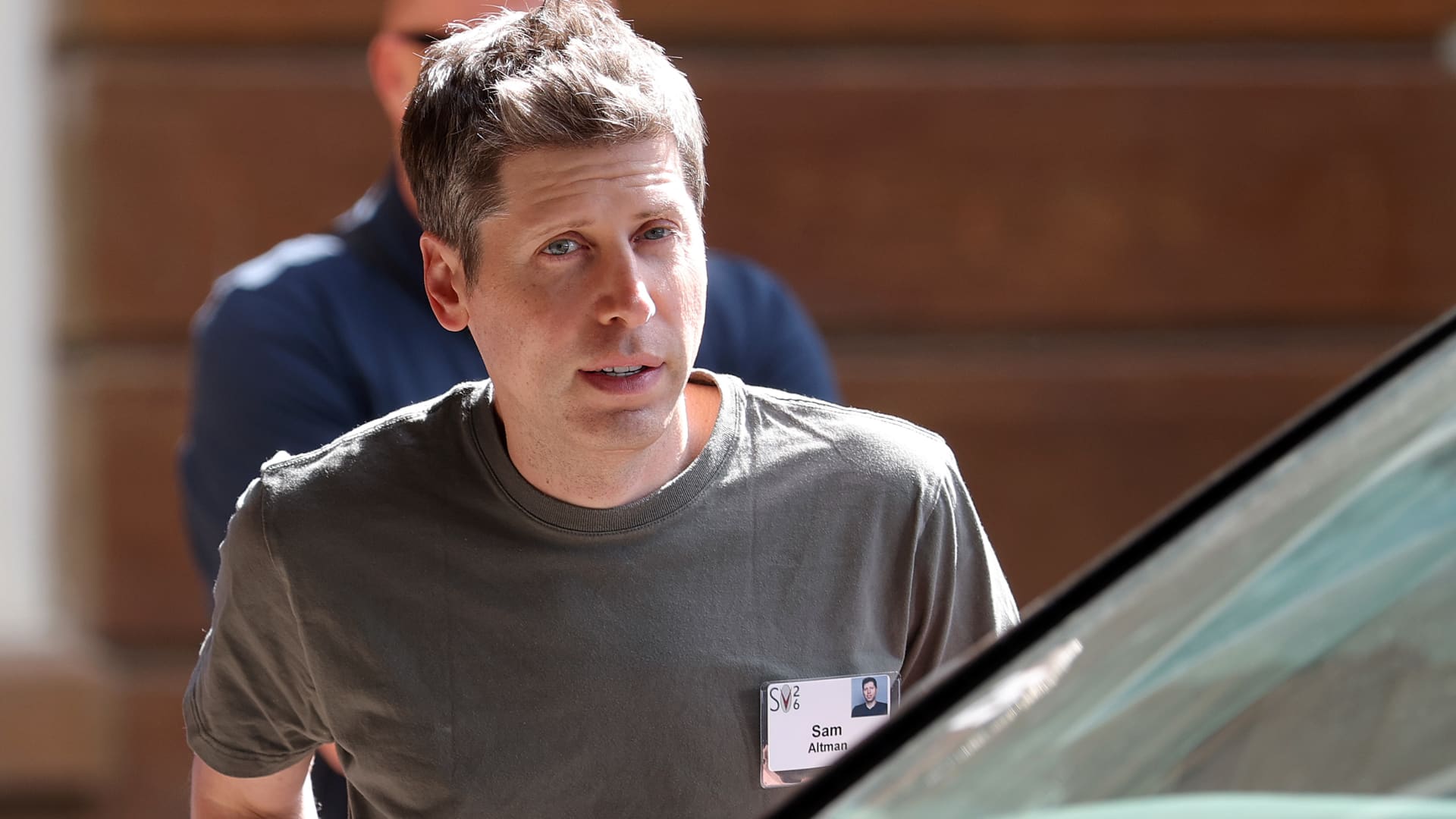
OpenAI is navigating a period of heightened scrutiny as it advances preparations for a significant initial public offering, with reports highlighting substantial turnover among its most senior executives. The departure of key leadership figures has prompted warnings from the market, with CNBC describing the situation as a 'huge red flag' for investors eyeing the company’s future.
The artificial intelligence developer is currently pushing toward what has been characterised as a mammoth IPO, a move that would see the private entity transition to public markets. However, the stability of its executive team has come under the microscope, with the C-suite exodus providing investors with additional grounds for concern regarding the firm’s operational continuity and strategic direction.
While the specific identities of the departing members of the executive team have not been detailed in reports, the scale of the turnover itself has become a focal point for market analysts. The instability at the top level suggests potential governance risks that could complicate the company’s path to a public listing, a process that typically requires demonstrating robust leadership structures to institutional backers.
This leadership churn coincides with a broader period of volatility in the technology sector, where investor confidence is often sensitive to changes in executive composition. As OpenAI moves closer to its anticipated debut, the focus remains on whether the remaining management team can reassure shareholders of the company’s long-term viability and growth trajectory.
The upcoming listing will be closely watched by the financial community, particularly given the high valuations often attached to AI-focused firms. Any further developments in the executive ranks could influence the pricing and timing of the offering, as potential investors weigh the risks associated with the company’s current leadership landscape against its technological potential.